
First mentioned over a thousand years ago in the Vedas and the Yoga Upanishads, chakras have gained the attention of the modern world as a major alternative healing technique. Chakras (चक्र or cakra in Sanskrit) mean “wheel” or “cycle”, and are used to refer to various focal points in the human body where psychic forces and bodily functions interact with one another. While some texts claim that there exist about 88,000 chakras in the body, Vedic traditions identify seven main chakras – six of which lie along the spinal cord with the seventh located above the crown of the head.
Chakras are said to provide bursts of subtle energy that facilitate the functioning of the mind, brain, and bodily organs. Consequently, sickness or disease results from certain “imbalances” in these seven chakras. Infiheal believes in curating solutions that best suit your needs (or your chakras!). In this blog, you can find information on the seven main chakras and their locations in the body, the purposes they serve, and some fun tests to explore your chakras.
The Seven Chakras
The seven pivotal chakras support the flow of prana, or the seed of life, which is absorbed and distributed throughout the physical and mental parts of the being. This is possible through the kundalini, a coiled-up source of energy concentrated at the base of the spine. Together with the prana, the kundalini connects the being with the Infinite Divine Creative Energy that governs all of life.
- 1. The Muladhara ChakraTranslating to root in English, the first and primary Muladhara chakra rests at the base of the spine. It is the source of sustenance and survival and is closely linked to the adrenal gland that produces adrenaline and noradrenaline, the hormones that regulate blood flow to the heart. When imbalanced, one tends to experience a loss of purpose in life, instability and loss of connection with the world.
- 2. The Svadhishthana ChakraLocated below the navel, the Svadhishthana, or the sacral chakra, is the centre of one’s sexual and creative energy, intuitiveness, self-esteem and compassion. Its psychic energy helps moderate one’s emotions both toward yourself and others. Disturbances in this chakra result in emotional and creative dysfunction, lability of mood, and an inability to regulate sexual thoughts and behaviours
- 3. The Manipura ChakraThis chakra, also called the solar plexus, is centred just above the navel and below the diaphragm. It is the chakra of willpower, determination and self-efficacy. In situations where you find yourself laser-focused on your goal, you are likely driven by the subtle energies of this chakra, which has often been likened to fire. If left unfettered, this same fire may make you hostile, disruptive and quick to anger.
- 4. The Anahata ChakraResiding close to the heart, this chakra connects the lower chakras (Muladhara, Svadhishthana and Manipura) to the higher ones (Vishuddha, Ajna and Sahasrara). True to its name, the Anahata chakra is the centre for love, compassion and kindness. It also includes the capacity to feel unconditional and divine love, which transcends worldly notions of interpersonal, relational connections.
- 5. The Vishuddha ChakraVishuddha means “pure”. Located in the throat, this chakra is the seat of communication, self-expression, and creativity. No wonder the location of the human larynx (or voicebox) coincides with the Vishuddha Chakra. When balanced, people are able to express themselves for who they truly are, creatively connect with their higher self, and build relationships based on honesty and healthy communication.
- 6. The Ajna ChakraWidely popular in both cinema and literature is the Ajna chakra, or the “third eye”, set horizontally in the juncture between the eyebrows. Common notions of the third eye consider it a representation of mystical intuition and insight, an inner vision of something that the two physical eyes cannot see. In both Hinduism and Buddhism, the Ajna is believed to control one’s intellect, intuition and spiritual prowess. Subsequently, a clear and open third eye is associated with a strong gut instinct, accurate perception of worldly stimuli, and higher-order thinking.
- 7. The Sahasrara ChakraFinally, the Sahasrara chakra, or the “crown” is located at the top of the head, and is the highest of all seven chakras. It represents your spiritual connections to yourself, others, and the greater universe. The crown is the focal point of inner wisdom which, when connected to the cosmos through mediation or other activities, can bring an individual to the highest state of spiritual consciousness – samadhi.
Blocked or Imbalanced Chakras
In an ideal state of equilibrium or balance, all seven chakras release psychic energy and effectively perform their physical and mental functions. Life is far from ideal, however, and various circumstances can lead to an imbalance in the carefully tempered state of our chakras. These imbalances may occur due to lifestyle choices (poor diet, exercise, or sleep), stressful environments (at work, home, or in general), or persistent negative experiences (an illness, the loss of a loved one, or a failure at work). Such factors may either lead to a depletion of psychic energy in the chakras, or lead to too much activity in them. Either extreme is harmful and has adverse consequences, as detailed in the chakra-specific divisions below:
| Chakra | Balanced | Imbalanced |
|---|---|---|
Muladhara 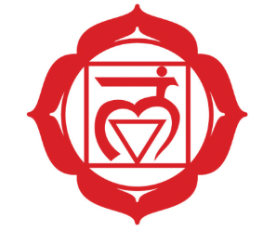 |
|
|
Swadhisthana 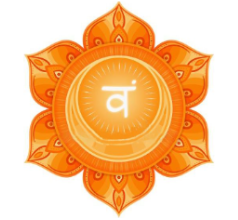 |
|
|
Manipura  |
|
|
Anahata 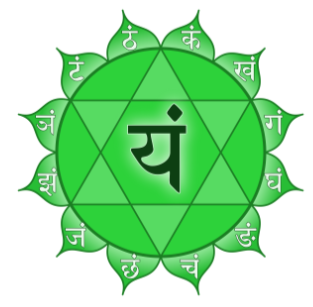 |
|
|
Vishuddha 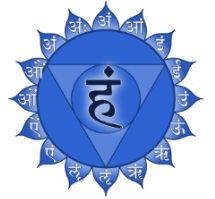 |
|
|
Ajna 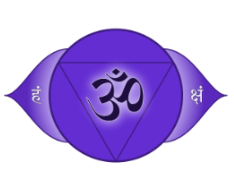 |
|
|
Sahasrara 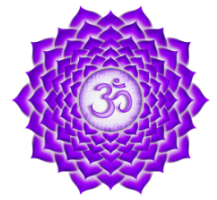 |
|
|
Chakra Healing
The theoretical basis of chakras is applied in alternate treatment modalities like chakra healing. According to the schools of Ayurveda, Yoga and Buddhism, chakra healing aims to help the life energy, i.e., prana, flow through the seven chakras in a balanced, mediated manner. Treatment proceeds sequentially: the imbalanced chakra(s) are first identified via cognitive and physical symptoms. Then, the body part associated with that chakra is targeted using spiritual exercise and meditation. Also called chakra-based therapies, some of these are explained below.
- 1. Chakra Meditation and Breathing TechniquesChakra meditation uses meditative and breathing exercises like box breathing, belly breathing, diaphragmatic breathing, etc., to “tap” into the energy reserves within each chakra. Mindfulness, a meditative technique that involves sustained attention to the breath, helps people rid their minds of distracting thoughts and focus solely on different parts of the body where the chakras reside. For instance, you may close your eyes, sit erect and focus on the area at the base of your spine while simultaneously envisioning yourself accomplishing a goal. This activity would stimulate the Muladhara chakra, responsible for feelings of independence and life purpose.
- 2. Ayurveda A system of traditional medicine and dietary practice, the Ayurveda school argues that chakras can be realigned by changing one’s eating habits. Different foods are associated with different chakras, like grounding and nourishing root vegetables (Muladhara chakra), and warming and energising spices (Manipura chakra). A balanced diet is combined with medicinal herbs like ashwagandha, chamomile and licorice that bring the chakras into balance and improve overall well-being.
- 3. Reiki Reiki is an ancient Japanese technique that uses gentle hand movements to regulate energy flow within the body. Through movements over the face and body, reiki practitioners “unblock” chakras where psychic energy may be clogged or concentrated. Its benefits include reduced stress and anxiety, improved sleep, and reduced pain and inflammation.
Chakra Healing as a Science?
Integrative and alternative medicine is a fairly recent field of scientific research, but its benefits have been documented in various Vedic, Buddhist and Tantric traditions across time. Subsequently, investigating the benefits of chakra healing through the lens of Western science may not yield considerable evidence. Nevertheless, research has found robust links between Yogic practice and improvements in mental and physical biomarkers. Mindfulness meditation is linked to better brain health, cognitive capacity, work and academic performance, and enhanced social relationships. A recent study has also found that complementary and alternative medicine that uses energy-restoring techniques can be an effective tool to treat substance use and related disorders.
Conclusion
Despite limited research, chakra healing and alternative medicine is an increasingly popular treatment practice in the lives of many. For those who have sought solace in the art of psychic and subtle forces, chakra healing offers a way to experience the relation between the mind, body, and spirit. By balancing and realigning the seven energy centres or chakras, individuals can better understand their own ailments – both physical and psychological – and cultivate change in their eating habits, sleep and exercise patterns, and social relationships. Infiheal provides a wide array of mental health resources like therapeutic services, psychometric tests, informative blogs, and a 24/7 AI Mental Health Assistant, Healo – all of which are tools to help cultivate holistic well-being and quality of life.