Introduction
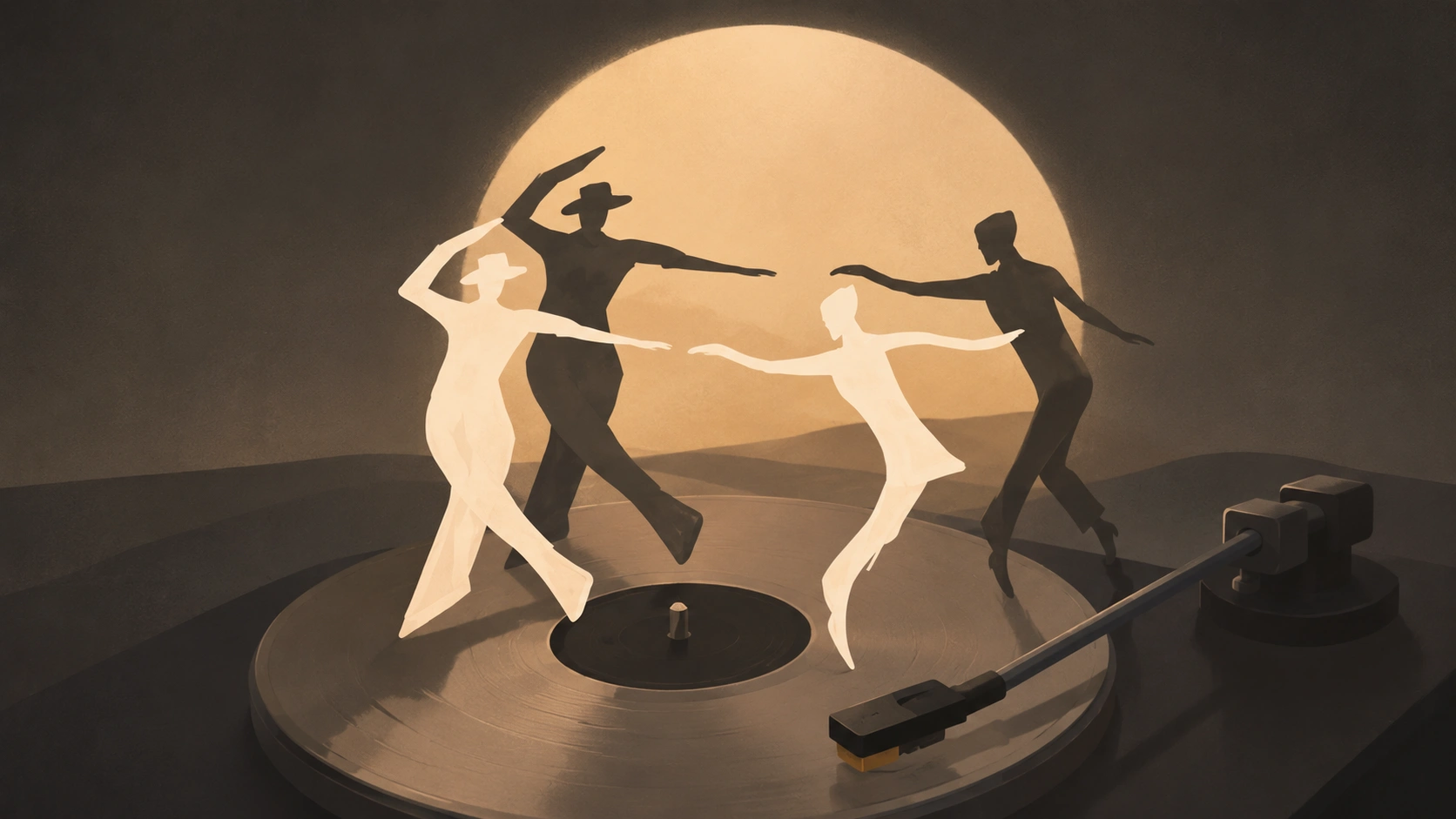
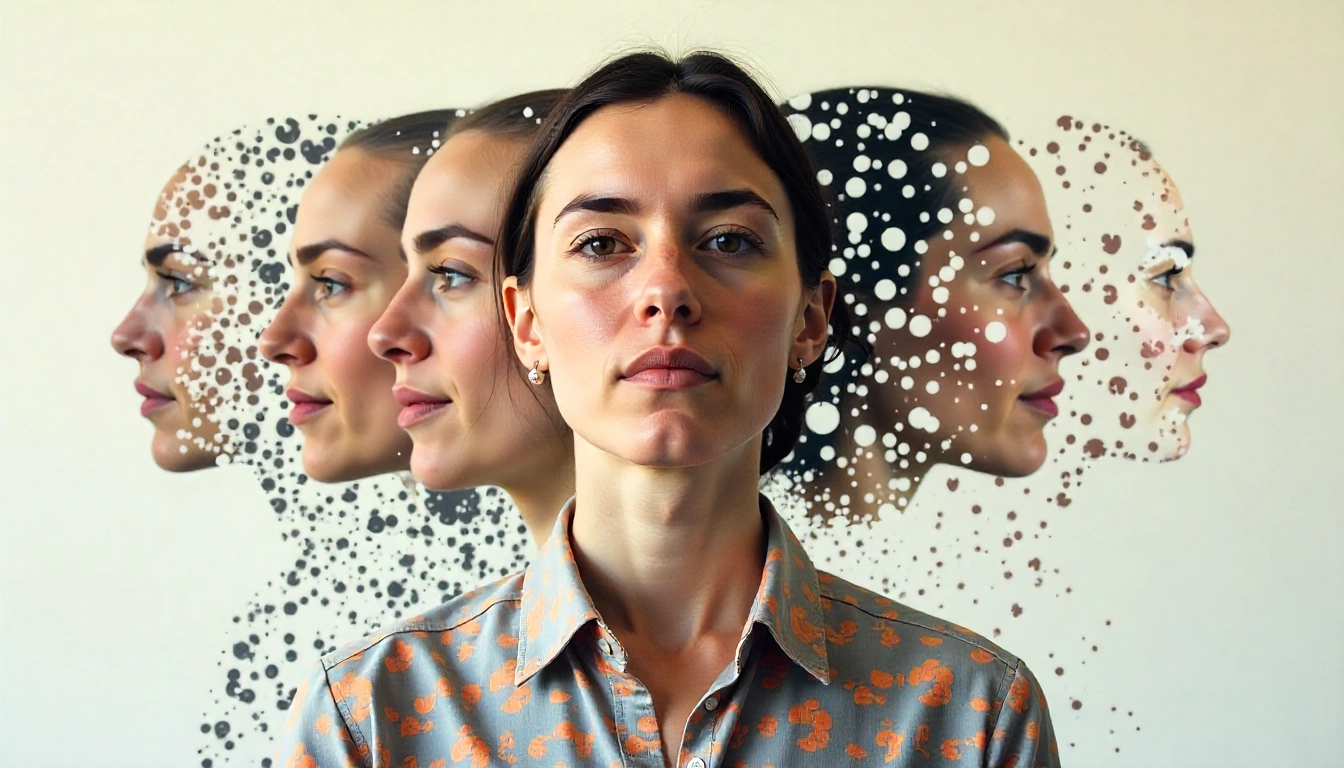
We introduce ourselves as one self in front of others. As someone with one gender, religious, economic,caste and class identity. What we don’t realise is that the person we think we are is actually fragmented into different selves within us. Our self, our identity keeps morphing,crumbling and re-assembling according to the people we’re with, the platform we’re on and the emotions we’re carrying. If our identity keeps changing, is the idea of an authentic self a myth afterall? In this blog we’ll explore how postmodernism, psychoanalysis and the social media culture looks at the idea of a self. We’ll explore a world where multiple parts within us can exist at the same time and the impact of culture on our fragmented selves.
The Postmodern Break: Identity as a Patchwork
According to the postmodernism approach, our identities are a collage rather than being a single entity. Our identities are heavily shaped by culture, context, language and our geographical regions. There is no original or authentic self hidden beneath us. Different parts of our identity make up for different layers within us which can be revealed according to the context and the people around us. All of the layers uniquely make us who we are. However, it is better not to confuse the fragmented identity as a dysfunction. Infact, it’s our most default state of being in a world filled with competing narratives, roles and expectations.
Psychoanalysis: The Self as a Conflict Zone
Freud has theoretically described his perspective on the meaning of identity which is divided into three distinct parts- the id, the ego and the superego. He believed that our expression of self depends on the constant negotiation between the three parts within ourselves. Carl Jung speaks of archetypes and personas. He resonated with the idea that we wear masks in social situations to be perceived a certain way and the expression of these archetypes is a way to merge our unconscious and conscious selves. Modern psychoanalysis frames identity as a constellation of parts which include the inner child, inner critic, protector and performer. Decades of theoretical frameworks and newer theories all indicate that we exist in fragmented parts since birth. However, the expression of each part is amplified by society and it’s culture.
Social media and identity multiplication
Today’s digital culture is established in such a way that we all have practically different selves on different social media platforms. Different apps bring out parts of us that are only unique on that platform. On Linkedin, we are the professional self, on Instagram we are the aesthetic self, on Youtube and Pinterest we are the creative self and so on.Each version of us is specifically curated and selectively chosen for a particular gaze, algorithm and audience. Rather than inauthentic, these selves serve different psychological needs: belonging, expression, aspiration, protection. The question then remains- does social media fracture us or simply reveal the selves we were always splitting into?
The Functional Multiplicity Model: When Many Selves Can Coexist
As we’ve discussed the existence of multiple selves within ourselves, we have learnt that different versions of us exist according to different contexts. These parts exist not just due to contemporary factors like social media but are also explained theoretically by Freud and Jung. But, the presence of different selves doesn’t necessarily lead to inner conflict or chaos. The peaceful existence of multiple versions of ourselves in one body is beautifully explained by the concept of Human Multiplicity model which says that humans have the capacity to have different perspectives, opinions and interests depending on the context and the systems they are a part of. It also implies that humans have the capacity to grow, transform and adapt in different contexts and situations. The idea of multiplicity isn’t to look at the premise of different selves as being “fragmented”. Rather, it’s about the integration of these different parts of us in such a way that they speak to each other to form a unified whole. Humans are complex and wholeness doesn’t come from narrowing the self, but from accepting the plurality within us. The fragmented self is not broken - it is layered, dynamic, and adaptive. Maybe the question isn’t “Who am I?” But rather: Which part of me is speaking right now? And what does it need?