
A reflection on delayed identity and future fixation
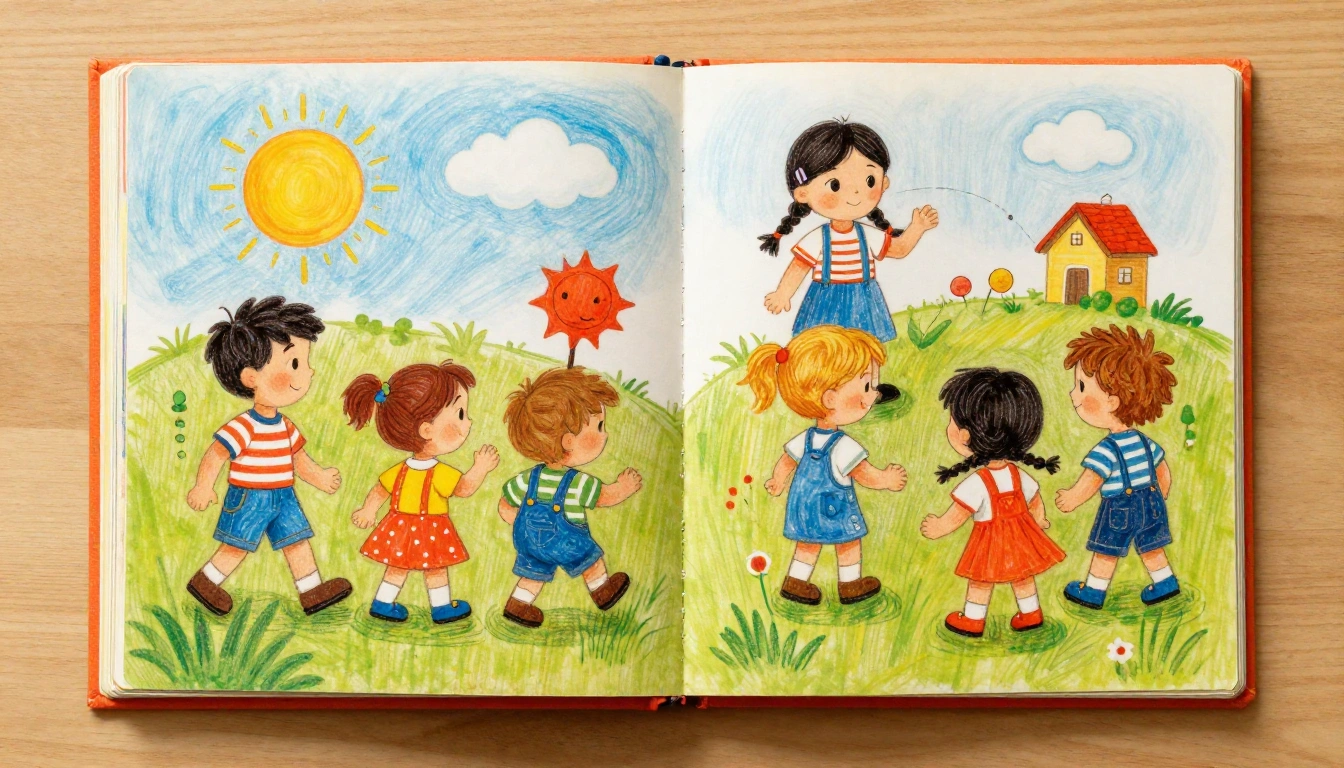
Many adults move through life with a strange inner pause button switched on. On paper, things are happening. Degrees are earned, jobs are held, responsibilities are met. Yet emotionally, it can feel like life is still warming up. Like the real version of adulthood will begin once we feel more confident, more stable, more certain. This state is often described as living in draft mode, where identity feels temporary and life feels postponed.
This feeling rarely comes from confusion alone. It is shaped by self-esteem, culture, and the quiet pressure to become the “right” version of an adult before fully showing up.
When identity feels conditional
For many people, identity is treated like something that must be earned. We learn, often subtly, that we can fully claim ourselves only after we are successful enough, healed enough, or impressive enough. Until then, we stay in rehearsal.
Low or fragile self-esteem plays a role here. If worth feels conditional, life becomes something we prepare for rather than inhabit. We wait until we feel ready to be seen, respected, or taken seriously. This is how delayed identity in adults forms. Not because they lack a sense of self, but because they do not yet trust it.
Culture reinforces this in powerful ways. In achievement-focused environments, especially in collectivist or comparison-heavy contexts, adulthood is measured by milestones. Income, marriage, emotional maturity, stability. When these do not arrive on time or in the expected order, people feel like they are lagging behind life itself.
Why the future feels safer than the present
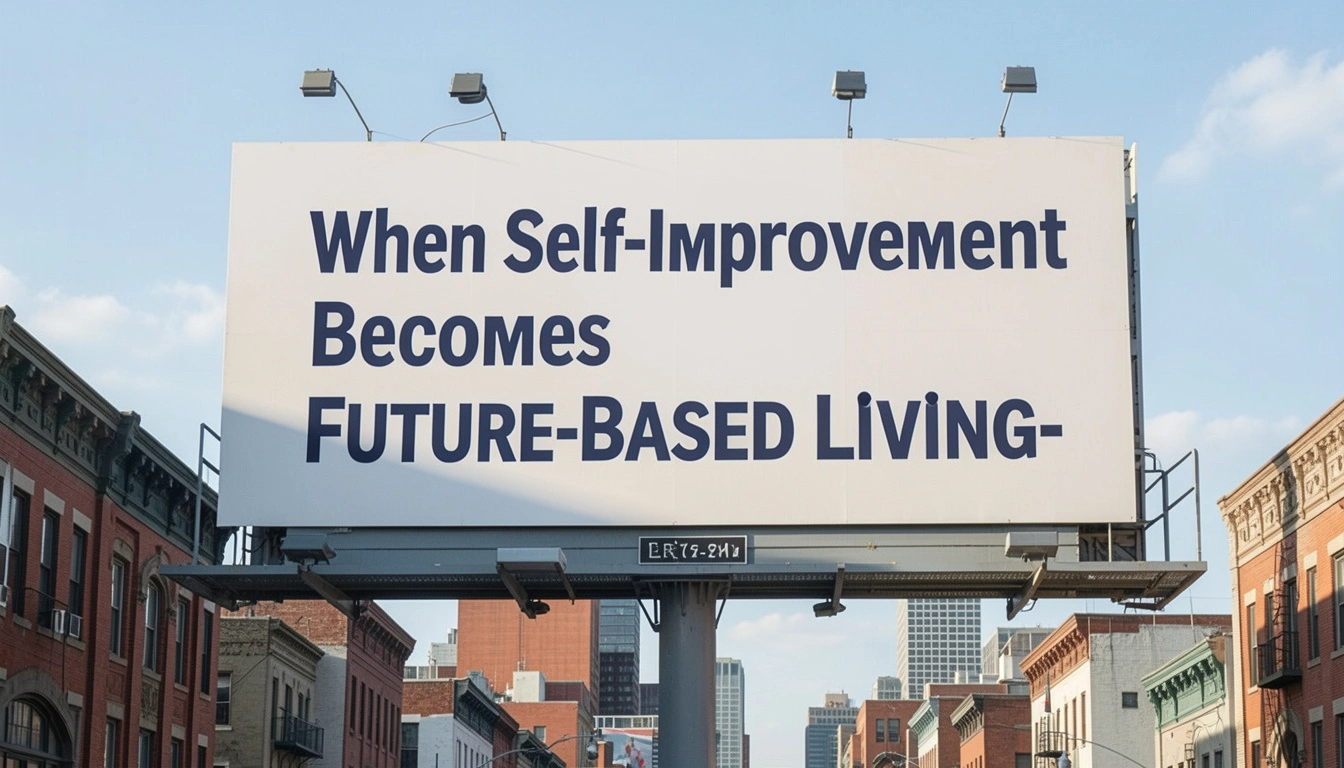
Future fixation often looks like ambition, but emotionally, it can be avoidance. The future is appealing because it promises a version of us that feels more acceptable. More together. More worthy of taking up space.
The present, on the other hand, asks us to live with uncertainty. To act before clarity. To let ourselves be imperfect and still visible. For someone navigating an identity crisis or delayed adulthood, that can feel deeply unsafe.
This is why many adults relate to the feeling stuck before adulthood begins. Not because nothing is happening, but because they do not feel authorised to call this phase “real life.”
How self-esteem quietly keeps us in draft mode
Self-esteem is not just about liking oneself. It shapes permission. When self-worth is shaky, people hesitate to commit to choices, relationships, or identities. They keep options open, identities fluid, and decisions reversible.This can look like flexibility, but it often feels like suspension. Life is lived in drafts so that nothing feels final enough to fail.Over time, this creates the painful sense that life has not started yet, even as years move forward.
Identity forms through participation, not readiness
One of the most uncomfortable truths about adulthood is that identity does not solidify before life begins. It emerges while we are already in it. Through choices made without full certainty. Through roles taken on before we feel prepared. Through showing up while still unsure.Living in draft mode delays this process. The self remains hypothetical because it is rarely tested in reality.
This is where spaces like Healo matter in a quieter way. Not as a place to optimise or fix oneself, but as a reflective pause that asks whether preparation has quietly replaced living. Whether the search for readiness has become a reason to stay unseen.
Leaving draft mode is not dramatic
There is no moment where life officially starts. There is only the decision to stop waiting for a better version of yourself to arrive.Adulthood does not begin when identity feels complete. It begins when we allow an incomplete self to participate anyway.