
Introduction
Panic attacks are often seen as signs of madness or crazy when we hear about it or see other people go through it. They are not a sign of personal failure or neglect of one’s own mental health. Infact, for people who do have panic attacks, they can feel like an actual heart attack where people think they are going to die. Most of us might feel helpless when we have a panic attack or when we see someone having one. That’s because we might not entirely understand why they occur and what goes on in our brain during the course of it. Hence, this blog is to give you a brief idea into what exactly happens in a panic attack, what’s the science behind it and what helps in the moment.
The Real Starting Point: A Small Body Sensation the Brain Misinterprets
Panic attacks often begin with tiny biological sensations in our body- change in heart rate, change in temperature or breath and then move to a full blown attack where all systems in our body are in overdrive. Our brains don’t exactly make up for these symptoms out of nowhere- they are deeply connected to unexpected events which the body is unable to handle. This is where the role of prediction errors comes into picture in terms of a panic attack. The brain constantly makes predictions about the world. When an event deviates significantly from these predictions, a "prediction error" signal is generated. This is a core component of surprise, which is an emotion that motivates us to analyze the unexpected event to improve our internal model of the world. In individuals prone to anxiety, this prediction error system may be overactive. This means that even small, harmless events can be perceived as highly unexpected or threatening, triggering a larger-than-normal prediction error signal. Therefore, prediction errors and the over-activity of brain parts that can’t handle unexpected events play a huge role in panic attacks.
The Insula: The Part of the Brain That Says “Something Feels Off
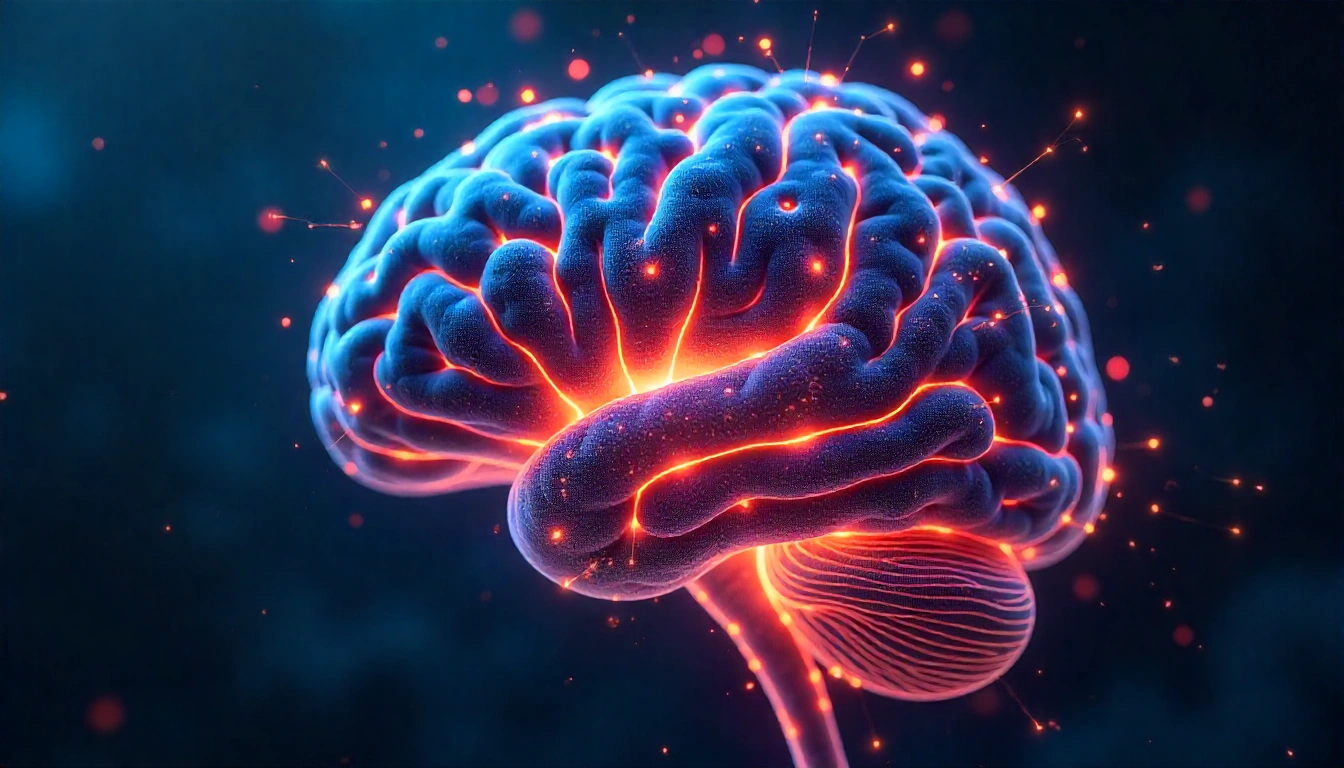
The insula is a key region that is responsible for co-ordinating between brain signals, bodily sensations and emotions. During a panic attack, the insula can become hyperactive, misinterpreting normal bodily signals like a racing heart as a sign of danger, which intensifies the fear response. Abnormal insula activity, such as decreased functional connectivity within the right insula, has also been observed in people with panic disorder. When a part of our brain starts misinterpreting normal body signs as danger, panic attacks can seem unexpected and shocking. This is why, for some people it feels like they get panic attacks out of nowhere- with no concrete trigger or reason. With panic attacks becoming more common, the fear of the sensation of anxiety or breathlessness itself causes the insula to be more active- thus leading to a panic attack.
The Amygdala Responds - The Body Goes into Fight-or-Flight
When the insula signals “something is wrong,” the amygdala steps in and triggers the fight-or-flight response. This releases adrenaline, causing the familiar rush of symptoms-racing heart, tight chest, shaking, breathlessness. At the same time, the prefrontal cortex (PFC), which helps you think clearly and reassure yourself, temporarily shuts down. This is why you suddenly feel unable to reason, speak calmly, or feel in control. These reactions are automatic survival reflexes, not signs that something is actually wrong.
The Thinking Brain Goes Offline Temporarily
Because the PFC goes offline, the brain starts to misread its own bodily reactions as new threats. This creates a loop: your body reacts → the brain panics → the body reacts even more. This cycle makes the panic feel like it’s “taking over,” even though nothing dangerous is happening. Sometimes the vagus nerve tries to slow things down too fast, causing dizziness, numbness, or a detached feeling. These sensations are temporary and uncomfortable, but not harmful.
The Loop: How the Brain Accidentally Scares Itself
Understanding this loop helps you break it. Naming your sensations calms the insula, slow exhalation reduces adrenaline, cold temperature brings the thinking brain back online, and grounding interrupts the cycle. After a panic attack, feeling tired or foggy is normal-it’s your brain rebalancing itself. Recognizing that panic is your brain trying too hard to protect you can make the experience less frightening and help build self-compassion instead of fear.