
Definition
Emotional maturity is the ability to understand, manage, and respond to your own emotions, as well as navigate the emotions of others, in a balanced and constructive way. It goes beyond age or life experience; it reflects self-awareness, impulse control, empathy, resilience, and accountability. In simple terms, an emotionally mature person feels deeply but responds wisely, they experience life fully without being ruled by their emotions.
What Emotional Maturity Looks Like in Adulthood
- Managing conflict calmly: Instead of reacting with anger in an argument with a partner or colleague, an emotionally mature adult listens, expresses their feelings clearly, and seeks resolution. Example: When a coworker criticizes your report, you acknowledge their feedback and respond, “I see your point,let’s work on improving this together,” rather than snapping defensively.
- Taking responsibility: Owning mistakes and learning from them, rather than blaming others. Example: Missing a deadline at work? An emotionally mature adult says, “I mismanaged my time here, and I’ll adjust my schedule to prevent this next time,” rather than deflecting blame.
- Regulating emotional responses: Not letting fear, anxiety, or anger dictate actions. Example: You receive harsh feedback on a presentation. Instead of panicking or shutting down, you reflect, seek constructive advice, and use it to improve.
- Empathy and compassion: Understanding others’ perspectives, even when they conflict with your own. Example: A friend cancels plans repeatedly due to stress. Rather than feeling offended, you ask, “Are you okay? Do you want to talk?” showing patience and understanding.
- Delayed gratification and adaptability: Being able to wait, plan, and adjust when life doesn’t go as expected. Example: You wanted a promotion but didn’t get it. Instead of dwelling in resentment, you focus on skill-building and long-term growth.
The Neuroscience Behind Emotional Maturity
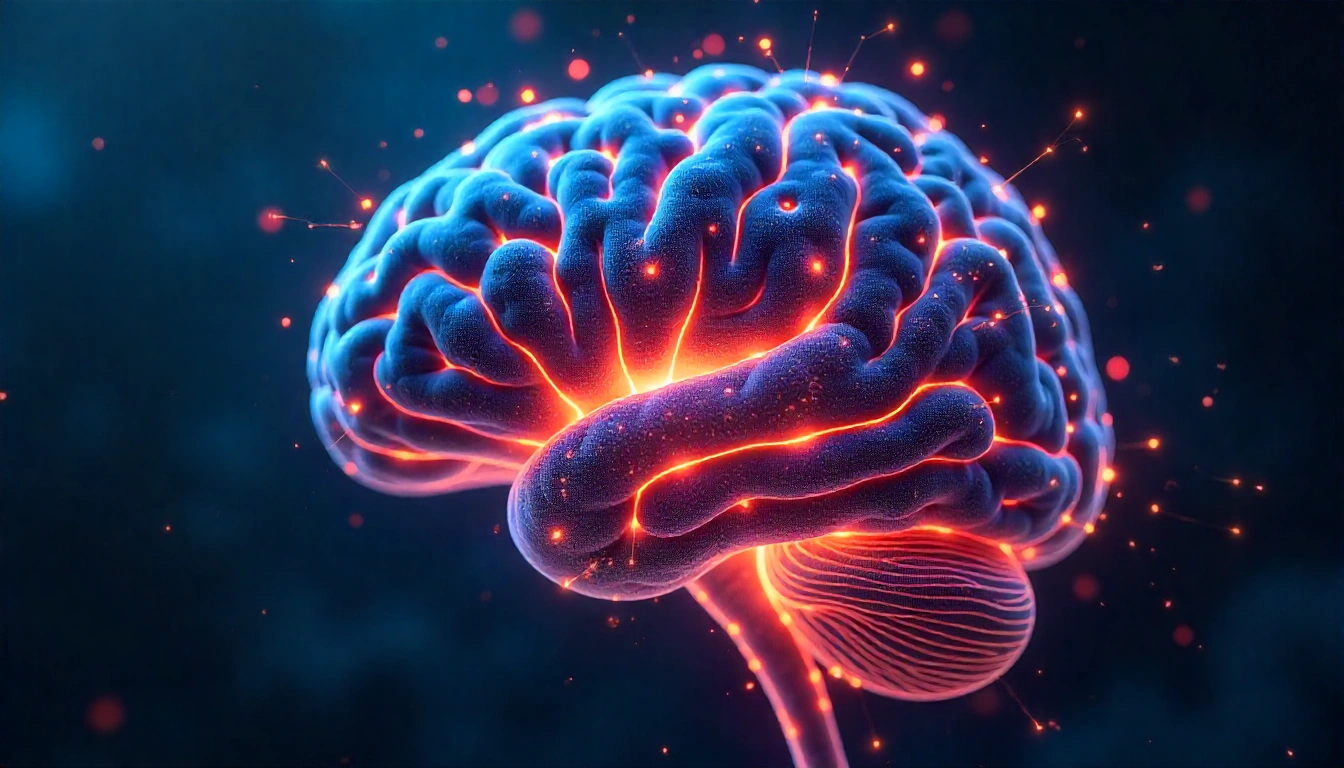
Our brain plays a central role in emotional regulation:
- Prefrontal Cortex (PFC): Responsible for decision-making, planning, impulse control, and self-reflection. A well-developed PFC allows us to pause before reacting, make rational choices, and regulate emotional responses.
- Amygdala: Known as the brain’s “alarm system,” the amygdala triggers fear, anger, or stress responses. Emotional immaturity often shows when the amygdala “hijacks” the PFC, causing impulsive reactions.
- Hippocampus: Involved in memory and contextualizing emotions, helping us learn from past experiences and avoid repeating maladaptive patterns.
- Connection Between PFC and Amygdala: Emotional maturity is marked by strong communication between the PFC and amygdala. This allows emotions to be experienced fully but filtered through rational thought.
Neuroscience shows that these brain regions continue developing into the mid-20s and beyond, meaning emotional maturity is a lifelong, neurobiological process influenced by experience, reflection, and conscious practice.
How to become Emotionally Intelligent
Emotional intelligence is the practical application of emotional maturity. Here are actionable strategies:
- Increase Self-Awareness: Reflect daily on your reactions and emotions. Keep a journal to identify patterns and triggers.
- Practice Emotional Regulation: Pause before responding in stressful situations. Use breathing exercises or mindfulness to manage intense emotions.
- Develop Empathy: Listen actively without judgment. Consider others’ perspectives before reacting.
- Take Responsibility: Acknowledge mistakes openly. Focus on solutions rather than blame.
- Strengthen Resilience: View challenges as growth opportunities. Accept that setbacks are part of life, not personal failures.
- Seek Feedback and Mentorship: Ask trusted friends or colleagues for honest insights about your behavior. Engage in therapy or coaching to refine emotional skills.
Conclusion
Emotional maturity is not a destination but a lifelong journey of self-awareness, reflection, and growth. It is rooted in our brain’s biology but shaped by life experiences and conscious effort. Adults who cultivate emotional maturity navigate challenges with resilience, form deeper connections, and respond to life’s ups and downs thoughtfully. Growing up, in the truest sense, is not about age or achievements—it’s about learning to feel, reflect, and respond in ways that enrich both your life and the lives of those around you.