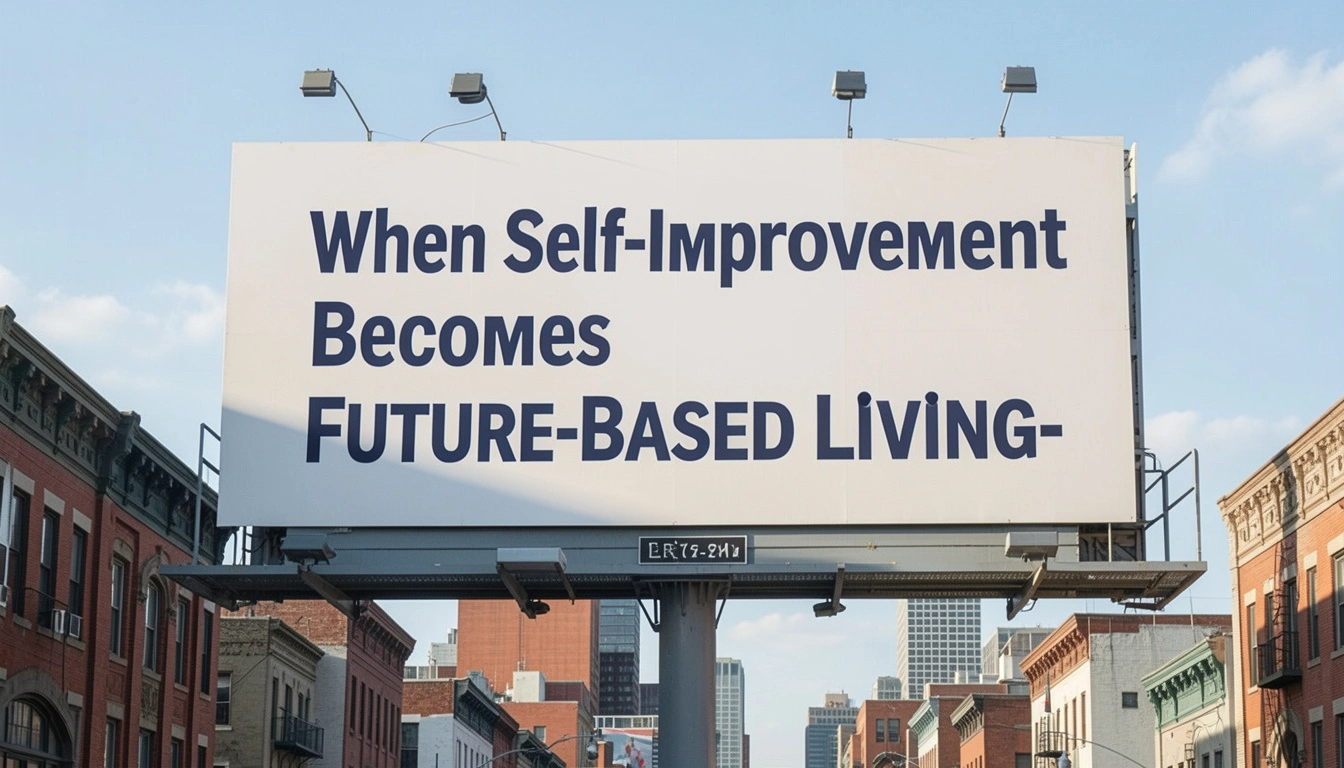

Why intention alone isn’t enough and why action without inner alignment often fails For years, manifestation has been sold as a mystical shortcut to getting what we desire: speak it, believe it, visualize it, and it will come. But psychology paints a more layered picture, one where inner belief, identity, and behavior form an intricate feedback loop that can either support or sabotage our goals. The truth sits in the tension between manifestation and action. Neither works in isolation.
Manifestation Isn’t “Magic Thinking”, It’s Cognitive Priming
A growing body of research shows that what we focus on changes what our brain notices. Manifestation practices like visualization, journaling, or affirmations don’t create outcomes in the universe they prime the brain’s perceptual and cognitive networks. Attentional Schema Theory (AST) suggests that our brain constructs simplified models of our internal states and these models influence how we interpret the world. When you repeatedly visualize your goals, you're not summoning energy; you’re reinforcing a mental schema that makes relevant opportunities more noticeable and irrelevant distractions less attractive. This is why manifestation feels powerful. It shifts internal attention, which in turn refines external perception.
But Priming Without Action Creates “Illusionary Goal Progress”
Manifestation can backfire when the brain mistakes thinking about a goal for working toward a goal.Recent motivational studies show that when people repeatedly talk about or visualize their goals, the brain releases dopamine similar to what it releases after actual progress. This “reward hijack” can lead to complacency. It’s why people who endlessly manifest often feel hopeful but stuck.Manifestation boosts motivation, but unchecked, it traps people in a cycle of emotional satisfaction without behavioral movement.
Identity-Based Action: The Missing Bridge Between Spirituality and Productivity
Most manifestation practices focus on desires (“I want X”). Action-based approaches focus on behaviors (“I will do X”). But deeper psychological transformation happens when goals shift into the realm of identity: “Who do I need to become to naturally create the life I want?” Predictive coding models suggest that the brain constantly predicts what someone like you is likely to do and then adjusts behavior to match that identity.
This means:
- If you see yourself as someone capable, resilient, and deserving, your brain predicts actions aligned with those qualities.
- If your self-concept is weak, no number of affirmations will override the brain’s default behavioral forecast.
Over-Reliance on Manifestation Can Trigger Self-Blame and Spiritual Bypassing
A psychologically harmful consequence of manifestation culture is the belief that “If I didn’t manifest it, something is wrong with me.” This guilt comes from a misunderstanding of how goals form. Recent studies show that high emotional load even positive can reduce problem-solving capacity. When manifestation practices demand continuous positivity or belief, they can increase emotional pressure, making it harder to take action.
So What Actually “Works”? A Balanced Psychological Model
- Clarity ( What do I want)Not vague desires but specificity: measurable, contextual, identity-aligned.
- Internal Alignment (Why do I want it?)Goals rooted in values and identity are more sustainable.
- Emotional Readiness (How do I need to feel to move?)Regulation > relentless positivity.
- Behavioral Architecture (What systems support this?)Goals become easier when embedded in habits, routines, and environment design.
- Reality Feedback (What is the environment telling me?)Adjusting based on real outcomes, not spiritual guilt.
Conclusion: Manifestation Is Not Opposite to Action It Is Incomplete Without It
Spiritual practices of intention-setting offer psychological benefits: they prime attention, shape identity, and strengthen motivation. But action creates the world we live in. Emotional regulation sustains the journey. Identity bridges our inner world with the outer one.