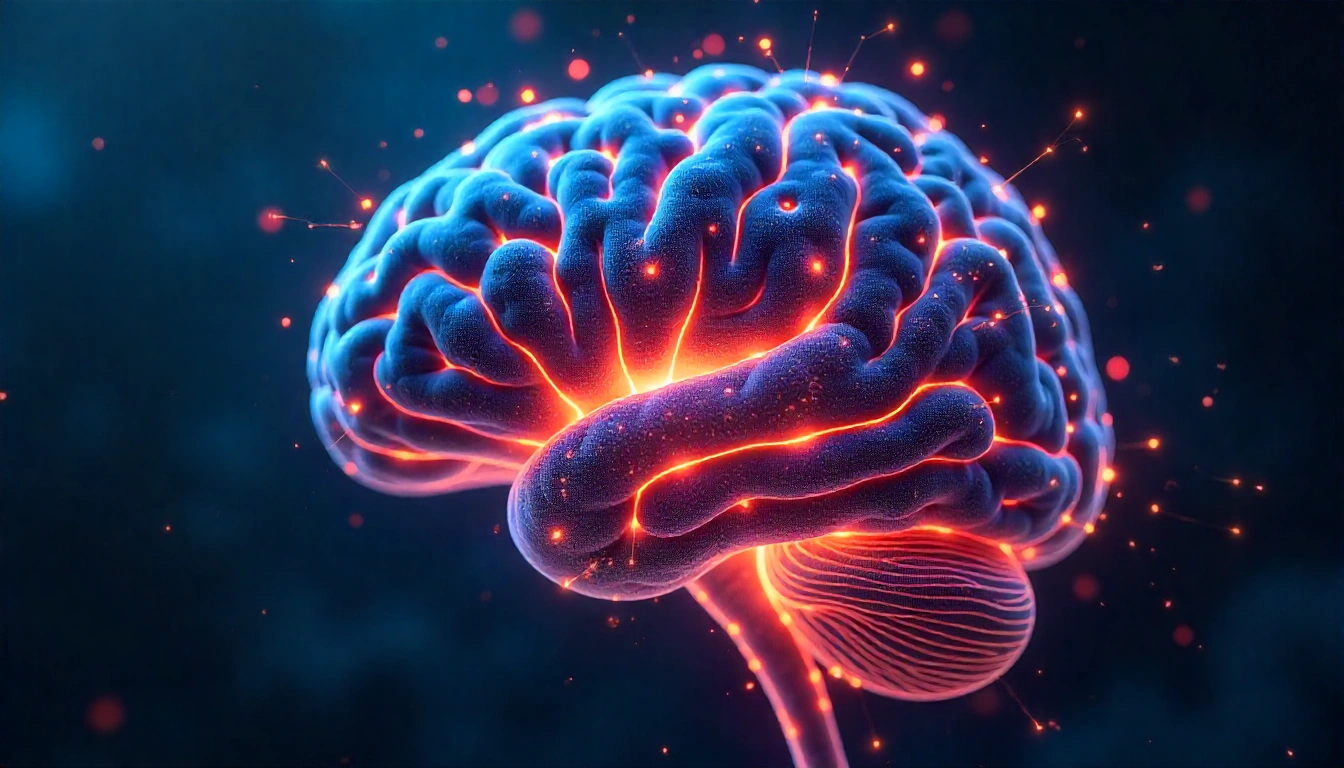
We often hear that childhood is the prime time for brain development, but what if we told you that your brain never truly stops evolving? Neuroplasticity, the brain’s remarkable ability to form new neural connections continues well into adulthood. This means that therapy isn’t just a tool for talking through challenges; it can actively reshape the way your brain thinks, feels, and responds.
Understanding Adult Neuroplasticity
For years, scientists believed that once we reached adulthood, our brains became rigid, unable to adapt in meaningful ways. Modern research, however, has overturned this myth. While adult neuroplasticity differs from childhood plasticity, it is no less powerful. In adults, change often occurs through learning new skills, forming healthier habits, and engaging in therapeutic practices. Essentially, our experiences, especially repeated, intentional ones can strengthen neural pathways, create new connections, and even prune unhelpful patterns.
How Therapy Shapes the Brain
Therapy leverages neuroplasticity in subtle but profound ways. Techniques like Cognitive Behavioral Therapy (CBT), mindfulness, and trauma-focused interventions encourage repeated practice of new ways of thinking, feeling, and responding. Over time, these patterns reinforce healthier neural pathways.
- Cognitive ReframingChallenging negative thoughts strengthens the prefrontal cortex, enhancing emotional regulation.
- Exposure TherapyGradual, guided exposure to feared situations reduces amygdala overactivity, helping anxiety responses diminish.
- Mindful PracticesRegular mindfulness increases connectivity between brain regions responsible for attention, self-awareness, and emotional balance.
Observable Changes in the Adult Brain
Research using neuroimaging has shown that therapeutic interventions can lead to measurable structural and functional changes in adult brains:
- Gray Matter volume increasesCertain therapies, like mindfulness and meditation, have been linked to increased gray matter in areas related to memory, empathy, and decision-making.
- Altered Neural activityTherapy can strengthen connections between the prefrontal cortex and limbic system, enhancing emotional regulation and reducing reactivity.
- Reduced Stress ResponseChronic stress can reshape the brain in maladaptive ways; therapy helps reverse some of these effects by normalizing cortisol responses and improving resilience.
Neuroimaging studies even confirm that therapy can lead to measurable changes in the brain. Gray matter in areas related to memory, empathy, and decision-making can increase, while connections between regions that regulate emotions strengthen, making you less reactive to stress.
The Ripple Effect of Neuroplasticity
What’s fascinating about neuroplasticity is how small, consistent changes in thought or behavior can cascade into bigger life transformations. Every time you practice a new coping skill, reflect on your thoughts, or respond differently to an emotional trigger, you’re literally rewiring your brain. Over time, these changes accumulate, creating a more resilient, adaptive, and balanced mind.
Conclusion
The idea that our brains are fixed after childhood is a myth. Therapy harnesses adult neuroplasticity, giving us the power to reshape our thoughts, emotions, and behaviors. With intentional practice, patience, and guidance, meaningful change is always possible no matter your age. In essence, every session, reflection, or mindful exercise is an opportunity to help your brain evolve, proving that growth truly has no expiration date.