What is Sacral Chakra?
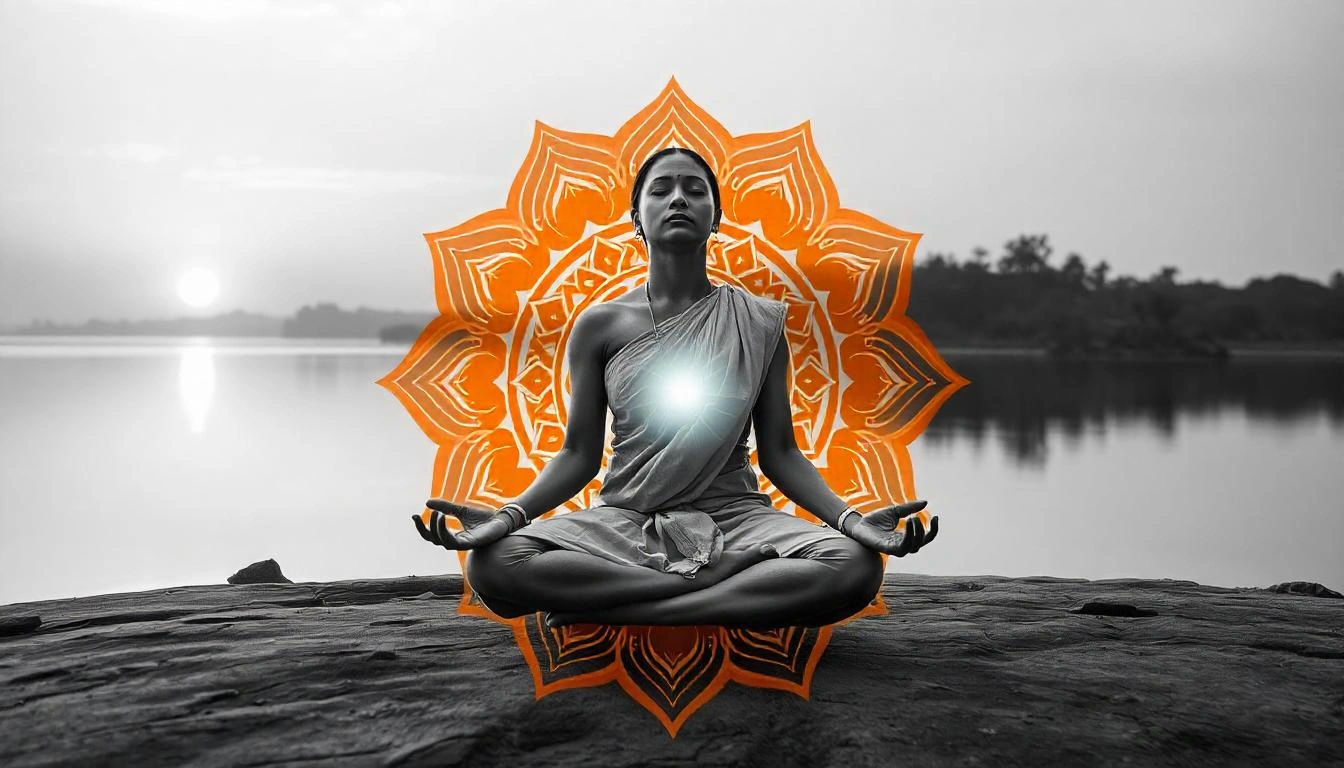
The Sacral Chakra, known in Sanskrit as Svadhisthana, often known as the "abode of the self," has a deep mystical meaning in spiritual activities. According to Sadhguru, activating it via sadhana (spiritual practice) leads to freedom—also known as "swatantra" in ancient Indian philosophy, which means "technology of the self." This freedom transcends physical, mental, and emotional compulsions, particularly those related to reproduction, which bind most people. Swadhishthana regulates reproductive energy at its most basic level, yet when mastered, it may unleash enormous creative force. People who conquer this chakra may "deliver a god," which represents the creation of divine creatures or remarkable possibilities. However, this road is not without hazards. Overindulgence in Swadhishthana's energy can result in bodily dissipation, since the sadhaka (practitioner) may channel all their vitality into higher creation, potentially neglecting their body. The ultimate goal of Swadhishthana mastery is to go beyond the natural cycles of birth and reproduction. Balancing the seven chakras is required to stay grounded while reaching greater levels of creation. By resolving the compulsions of this energy centre, one might transcend the life-death cycle and reach higher spiritual planes. A six-petaled lotus encircling a crescent moon represents the Svadhisthana Chakra. Lotus petals symbolise the various dimensions of emotional wellness and creativity. The crescent moon represents the link to water, emotions, and the cyclical aspect of existence.
What does a balanced Sacral Chakra look like?
When the Sacral Chakra is in balance, it appears as:
- You're capable of handling emotions well without going into overdrive.
- You see intimacy as a rewarding and enlightening experience which brings happiness, fulfilment, and connection.
- You are flexible, both mentally and physically, allowing you to adapt gracefully to change.
- You possess a zest for life and the ability to have fun without shame.
- You are in sync with your body, attuned to your needs, desires, and relationships.
An imbalanced Sacral Chakra
The Sacral Chakra can operate in three states: weak, balanced or overactive Both weak and overactive states indicate imbalances that may manifest as physical, emotional, or behavioural issues.
Weak Sacral Chakra
A deficient chakra feels constricted, and symptoms include:
- Restricted physical mobility or inflexible views.
- Emotional numbness, or difficulty expressing feelings.
- Fear of enjoying oneself, having fun, or being intimate.
- Poor social skills and a lack of enthusiasm or desire.
Weak Sacral Chakra
A deficient chakra feels constricted, and symptoms include:
- Restricted physical mobility or inflexible views.
- Emotional numbness, or difficulty expressing feelings.
- Fear of enjoying oneself, having fun, or being intimate.
- Poor social skills and a lack of enthusiasm or desire.
Overactive Sacral Chakra
An overactive chakra overflows with energy, which causes:
- Overindulgence in pleasure or addiction.
- Lack of boundaries results in unhealthy attachments.
- Emotional instability and hypersensitivity.
- Difficulty controlling urges or maintaining relationships.
The Root Causes of a Blocked Sacral Chakra
Cultural taboos that stigmatise sexuality and sensuality, unresolved trauma from emotional or physical experiences, or early programming that inhibits feelings or urges are all common causes of a blocked Sacral Chakra. Energy blockages in this chakra can also result from lifestyle choices like insufficient creative expression, a lack of mobility, or a disconnection from water. Understanding these underlying issues is crucial to restoring balance.
- When the Sacral Chakra is blocked, you may experience feelings of guilt, which are generally associated with previous sins or imagined wrongs. This obstruction does not imply that you should ignore our previous behaviours but rather examine them with compassion and honesty. Radical self-acceptance can lead to recovery. You can start by
- Acknowledge mistakes without passing judgement.
- Consider what was going on around you at the time, what you did, and why it might not have been the best decision.
- Make an apology to yourself, explaining what you've learnt and how you intend to act differently in the future.
- Traumas and early experiences can cause deep wounds that disrupt the Sacral Chakra's harmony. These emotional scars often lead to compromises on personal values like compassion or patience, creating internal conflict.
- Healing these scars could require getting help from a therapist, journaling, or mindfulness techniques.
- Addressing these traumas at their root might help realign your values and restore your confidence in acting on them.
- When we act in ways that are inconsistent with our inner principles, the Sacral Chakra can get blocked. Fear, insecurity, or unhealed scars are common causes of this imbalance. Restoring balance may look like-
- Identifying your core principles, such as compassion, patience, and nonjudgment.
- Consider how trauma or dysfunction may have caused you to deviate from these principles.
- Reaffirming your commitment to uphold them in future decisions.
Healing and Unblocking the Sacral Chakra
Healing the Sacral Chakra begins with awareness and deliberate practice. Here are some strategies for restoring its balance:
- Movement Practices Engage in flowing and expressive movements such as:
- Yoga: Sacral-focused yoga postures.
- Dance: Free-flowing movement that stimulates creativity.
- Swimming or other water activities help you connect with the water element.
- Spend Time in the Water Water cleanses and calms the Sacral Chakra. Take a soothing bath, go to the ocean, or practise mindful swimming.
- Engage in creativity Explore hobbies that encourage your creativity, such as painting, writing, or crafts. Allow yourself to create without judgement.
- Affirmations Repeat affirmations to help rewire limiting beliefs. Examples include: "I deserve to feel joy and pleasure." "I honour my emotions and desires." "I am open to the flow of life."
- Sacral Chakra Meditation Visualise orange light radiating from your lower abdomen, flowing freely like water, removing blockages and bringing balance.
Yoga Poses for the Sacral Chakra
Yoga is one of the most effective methods for clearing and balancing the Sacral Chakra. Here are some positions to include in your practice:
- Bound Angle Pose (Baddha Konasana) This hip-opening pose improves flexibility in the pelvis and stimulates the Sacral Chakra.
- Sit with the soles of your feet together, knees open.
- Lengthen your spine and fold forward gently.
- Goddess Pose (Utkata Konasana) A powerful pose to connect with femininity and creativity.
- Stand with your feet wide apart, toes pointing outward.
- Bend your knees, lowering your hips, and hold the pose while breathing deeply.
- Seated Forward Bend (Paschimottanasana) Encourages introspection and activates the lower abdomen.
- Sit with your legs extended straight.
- Reach forward, folding over your legs while maintaining a long spine.
- Pelvic Tilts A gentle and rhythmic movement to engage the Sacral Chakra.
- Lie on your back with your knees bent.
- Slowly tilt your pelvis upward and then release it back down.
- Cat-Cow Pose (Marjaryasana-Bitilasana) This flowing sequence promotes flexibility and emotional release.
- On hands and knees, alternate between arching your back (cow pose) and rounding it (cat pose).
Lifestyle Tips for Sacral Chakra Balance
In addition to yoga and movement, try the following lifestyle changes:
- Consume orange foods: Include oranges, carrots, sweet potatoes, and apricots in your diet.
- Hydrate: Drink plenty of water to connect with the chakra's water element.
- Journal your emotions: To improve your emotional intelligence, consider how you feel.
- Connect with nature by spending time near rivers, lakes, or seas.