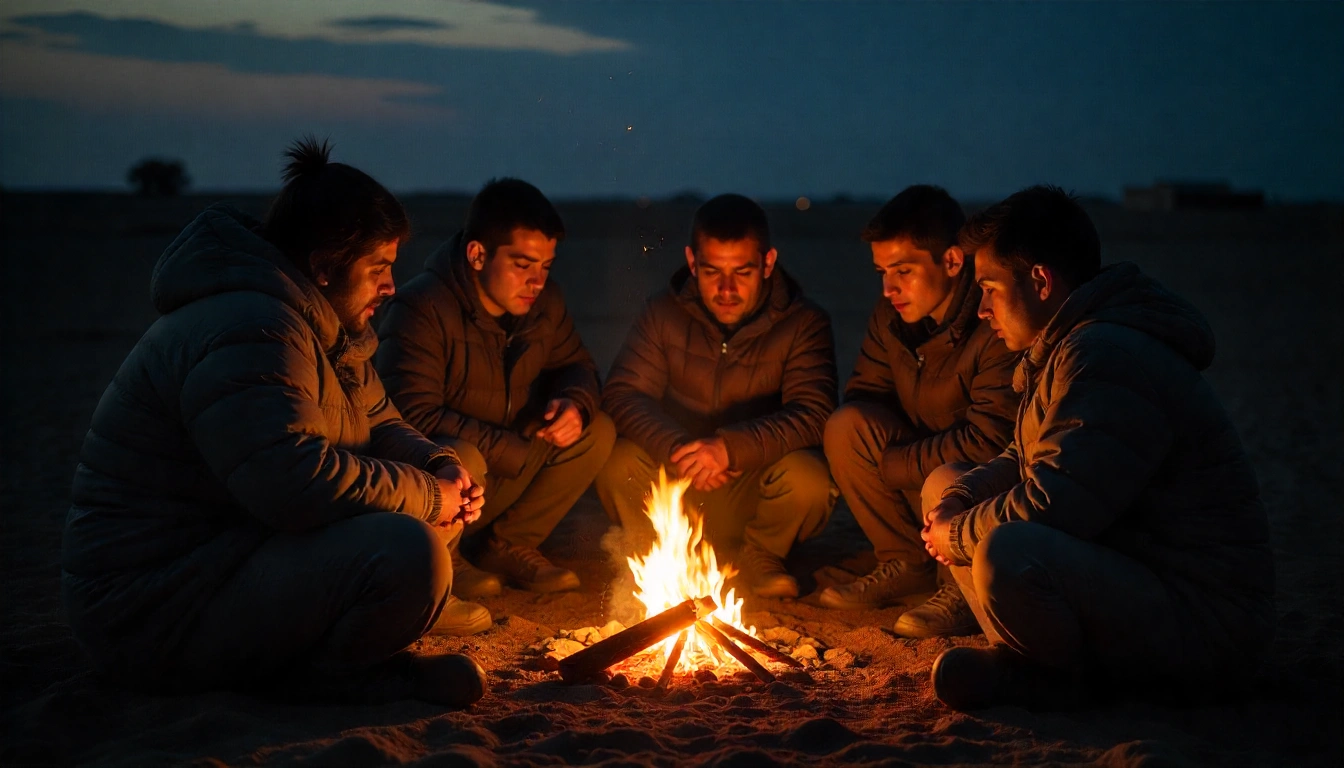
World Mental Health Day, observed every year on 10th October, provides a global platform to raise awareness about mental health issues and advocate for better mental health support. The theme for 2025 is “Mental Health in Humanitarian Emergencies,” emphasizing the urgent need to address the psychological well-being of individuals affected by crises such as natural disasters, armed conflicts, and public health emergencies. Humanitarian emergencies do not only threaten physical safety, they also leave profound psychological and emotional impacts. Recognizing and addressing mental health in these contexts is essential to ensure holistic recovery, resilience, and long-term well-being.
Why Mental Health Matters in Humanitarian Crises
Emergencies whether floods, cyclones, earthquakes, conflicts, or pandemics, create sudden disruptions that affect millions of people simultaneously. According to the World Health Organization, roughly 1 in 5 individuals affected by humanitarian crises develop mental health conditions.
Unaddressed psychological distress can impair decision-making, reduce resilience, and hinder recovery efforts, making mental health support as critical as food, shelter, and medical care. Prioritizing mental well-being ensures communities are not just surviving but are better equipped to rebuild and thrive.
Common Psychological Effects
- Acute Stress and Anxiety: Heightened fear, confusion, and hypervigilance are common immediate responses to crises.
- Trauma and Post-Traumatic Stress: Exposure to life-threatening events, loss, or displacement can lead to intrusive memories, nightmares, and avoidance behaviors.
- Depression and Grief: Losing loved ones, homes, or livelihoods may trigger prolonged sadness, hopelessness, and social withdrawal.
- Impact on Social Networks: Disruption of families and communities magnifies emotional strain and reduces support systems.
- Secondary Stress on Responders: Emergency personnel and volunteers often experience vicarious trauma and burnout due to prolonged exposure to suffering.
Role of Mental Health Support
Effective mental health support in emergencies combines immediate intervention and long-term psychosocial strategies:
- Psychological First Aid (PFA): Offers early support, stabilizes distress, and helps survivors access further care.
- Community-Based Support: Mobilizes local networks, volunteers, and peer groups to restore social connections and resilience.
- Access to Professional Care: Ensures availability of trained mental health professionals, tele-counseling, and referral pathways for specialized treatment.
Long-Term Importance
Mental health interventions during crises are crucial not only for immediate relief but also for sustainable recovery. Supporting psychological well-being helps:
- Strengthen individual and community resilience
- Reduce long-term mental health conditions like PTSD and chronic anxiety
- Restore functionality, hope, and social cohesion
- Enable affected populations to rebuild meaningful and fulfilling lives
Conclusion
As highlighted by World Mental Health Day 2025, mental health in humanitarian emergencies deserves the same attention as physical health and basic survival needs. By integrating mental health support into emergency responses, governments, NGOs, and communities can mitigate the invisible scars of crises, foster resilience, and ensure that affected populations are supported holistically, not only to survive but to thrive.