
When we think of phobias, our minds often jump to the classics, such as fear of heights, spiders, or enclosed spaces. But phobias are far more intricate and unique than popular psychology sometimes portrays. Phobias can take on deeply personal and socially conditioned forms, shaping behaviors in ways that even the person affected may not fully understand.
More Than Just “I’m Scared”
A phobia is an intense, irrational fear of a specific object, situation, or experience. But what makes it different from a simple fear is how deeply it impacts daily functioning. Unlike general fear, which is often rooted in real danger, phobias persist even when the threat is minimal or absent. This disproportionate response often develops through conditioning, trauma, or learned behavior, sometimes even inherited through family or culture.
The Socially Conditioned Phobias
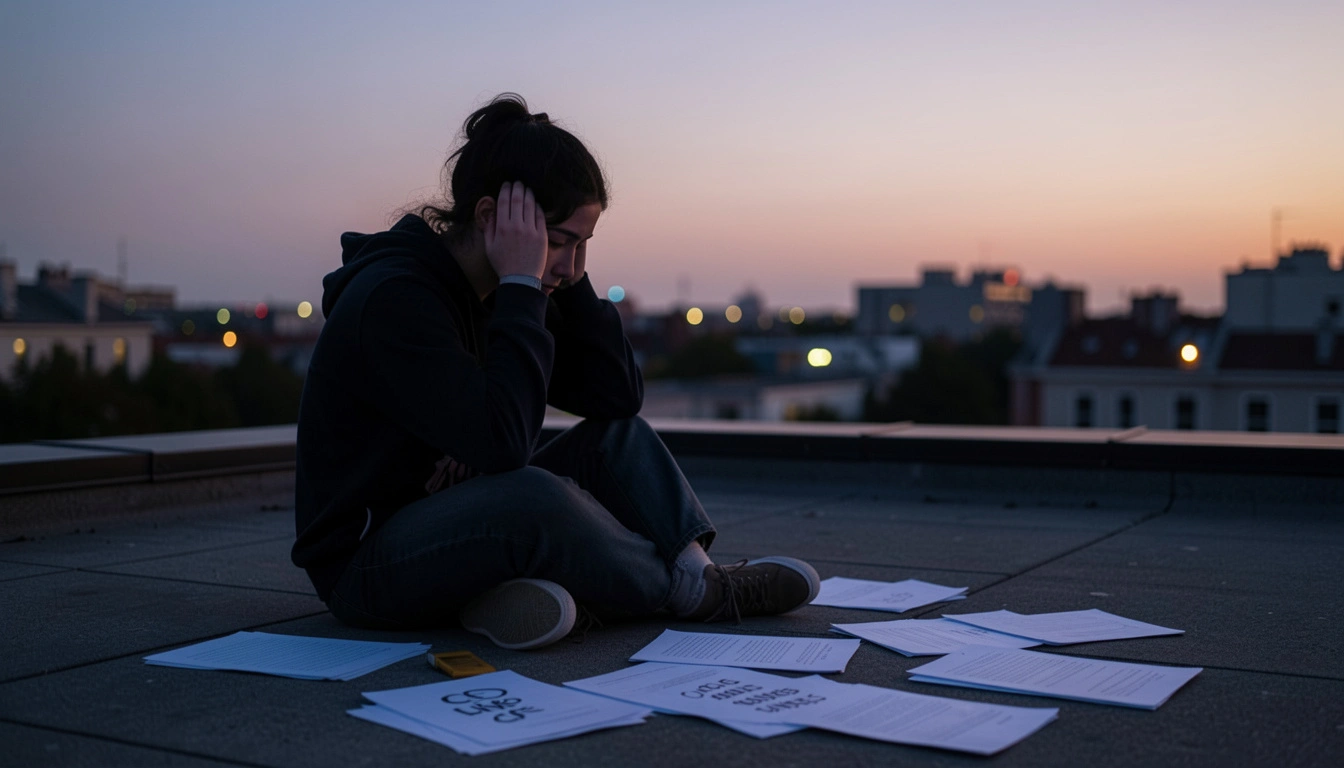
While most people recognize fears of snakes (ophidiophobia) or flying (aerophobia), society subtly encourages other forms of phobias that remain invisible yet powerful. For instance, atychiphobia, which is the fear of failure, is becoming increasingly prevalent in high-achieving cultures where success is measured by performance and perfection. It doesn’t just paralyze people during exams or job interviews; it shapes identities, narrows ambition, and fuels burnout. Another rising example is nomophobia, the fear of being without one's mobile phone. While it may sound like a meme, the psychological discomfort felt when disconnected speaks volumes about our modern-day dependency on constant connectivity and digital validation.
The Introspective Phobias
Some phobias have less to do with the external world and more to do with the inner experience. Phobophobia, the fear of developing a phobia, can create a loop of anxiety where one becomes hyper-aware of bodily sensations, fearing they might spiral into irrational fears. It’s anxiety about anxiety, and it can be deeply debilitating. Similarly, autophobia, the fear of being alone, goes beyond loneliness. It often masks deeper fears of abandonment, existential dread, or the inability to self-regulate without another person’s presence. These phobias are quiet, internal, and often dismissed as ‘overthinking’ yet they shape countless human relationships and emotional decisions.
Culturally Rooted Phobias
Certain phobias have roots in specific cultural or religious narratives. Tetraphobia, for instance, is the fear of the number four and is deeply embedded in East Asian cultures due to its phonetic similarity to the word for “death.” Similarly, xenophobia, often debated in political discourse, is not just a social attitude but can stem from deep-seated individual fears of unfamiliar cultures or people. Cultural trauma also plays a role in certain collective phobias. Consider thanatophobia, the fear of death or dying, while common globally, in regions affected by war or pandemics, this fear can take on hypervigilant forms, surfacing as obsessive behaviors or health anxieties.
The Body-Oriented Phobias
Phobias don’t always target something ‘out there.’ Some of the most intense fears come from within. It is when your own self feels unsafe. Emetophobia, the fear of vomiting, can result in extreme dietary restrictions or avoidance of social events. Trypophobia, though not officially recognized as a clinical phobia, describes the aversion to clustered holes or repetitive patterns and is believed to be rooted in evolutionary survival responses. These phobias aren’t just about discomfort; they’re about losing control over one’s body or being reminded of human vulnerability. And because the triggers are often embedded in everyday life, avoiding them becomes a mental labyrinth.
Phobias Beyond Diagnosis
What’s important to remember is that not all phobias come with a label. Many people live with unnamed fears, of intimacy, of trust, of responsibility, that don’t fit into DSM-5 categories but still affect their choices and well-being. Just because a fear isn’t diagnosable doesn’t mean it’s not valid. Phobias often come with a sense of shame. People may mock their own fears or hide them to avoid judgment. But understanding the layered roots of phobias, whether psychological, cultural, or personal, can help reframe them not as irrational flaws, but as deeply human responses to pain, uncertainty, and lived experience. Therapy, particularly exposure therapy and cognitive-behavioral therapy (CBT), has shown immense effectiveness in helping individuals unlearn these conditioned responses. But more than that, compassion, for oneself and others, is essential.
Conclusion
Phobias are not just about what scares us; they’re also about what we’ve been through, what we were taught to avoid, and what we fear losing control over. In exploring them, we uncover not just pathology, but humanity. So, the next time someone says they’re scared of something “silly,” pause before laughing. There might be a whole story behind that fear—one worth listening to.