
What is a Dysfunctional Family?
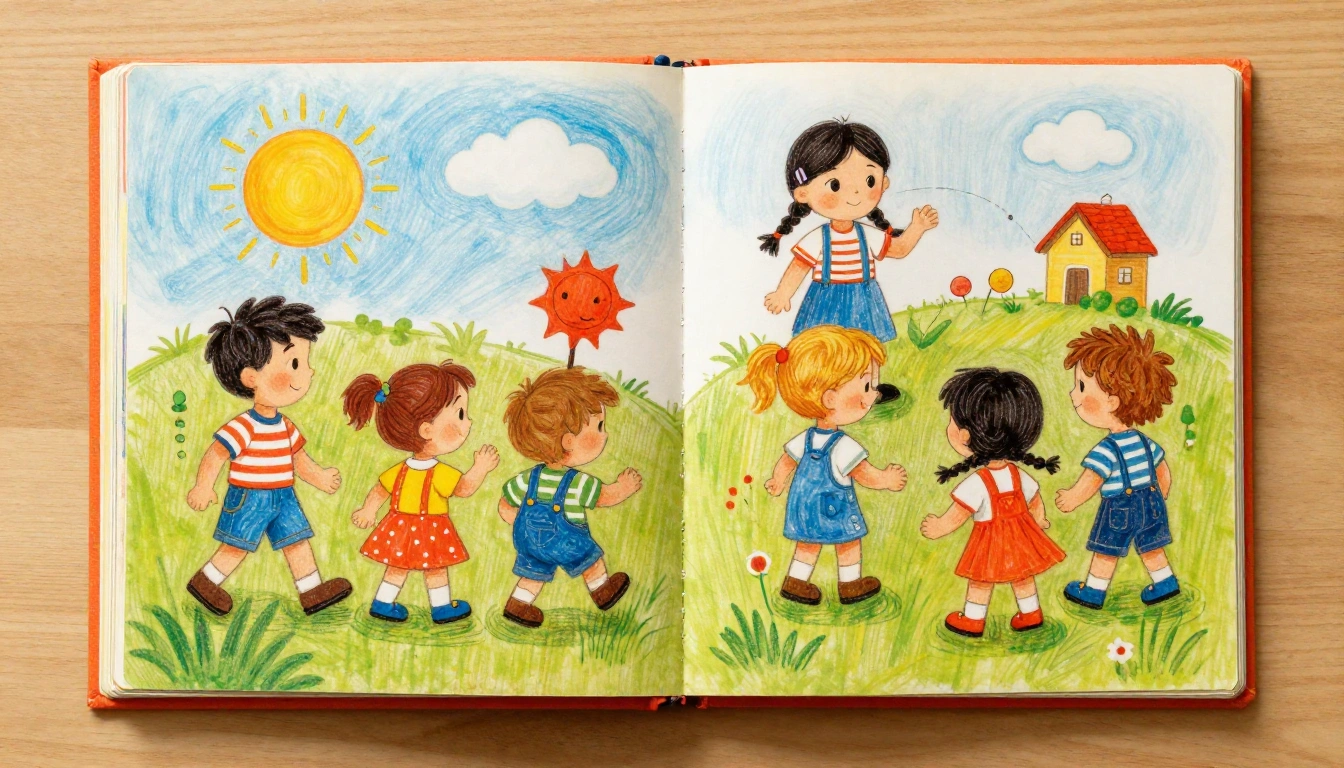
A dysfunctional family is one where relationships between family members are marked by unhealthy patterns of behavior, often resulting in emotional, psychological, or even physical distress. In these families, the roles and interactions are unbalanced, with consistent issues like neglect, criticism, abuse, or manipulation. The lack of communication, emotional support, or boundaries makes it difficult for individuals to grow and thrive. As children, we look to our families as our first models for how to interact with the world, and when these early experiences are filled with dysfunction, it can shape our understanding of ourselves and others in profound ways.
How Does a Dysfunctional Family Impact Your Mental Health?
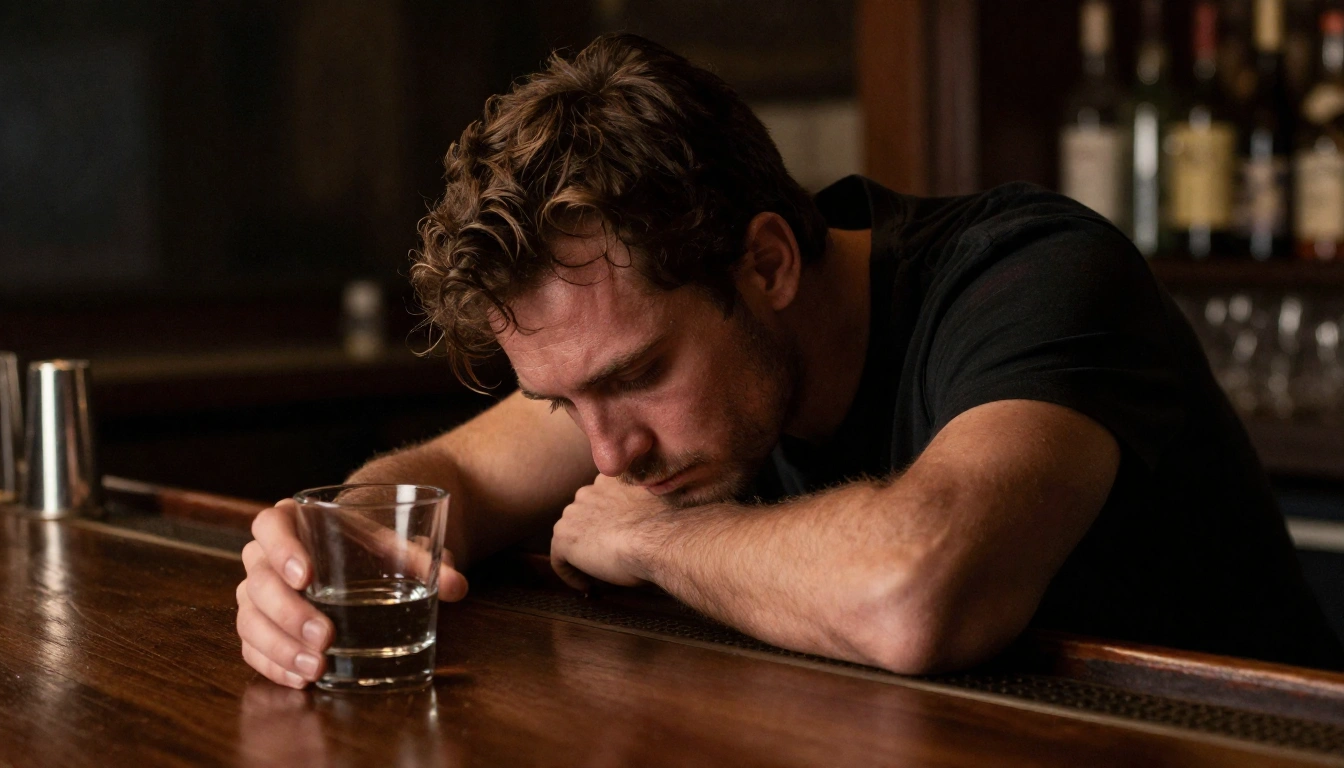
Growing up in a dysfunctional family can have long-lasting effects on your mental health. The lack of stability and emotional safety often leads to feelings of confusion, insecurity, and low self-esteem. Children in these environments may develop anxiety or depression, struggling to trust others or form healthy relationships. For instance, a child who is frequently criticized or emotionally neglected may grow up with a deep sense of inadequacy or fear of failure. Over time, this can manifest as chronic stress, difficulties with emotional regulation, and a sense of isolation. Moreover, if the family dynamic involves abuse, whether verbal, emotional, or physical, the scars can be even deeper. Victims often develop a distorted sense of self-worth and may struggle with feelings of shame, guilt, or anger that are difficult to overcome. The emotional toll of living in a chaotic or unpredictable environment can make it hard to feel secure, leading to a constant state of alertness or hypervigilance that can contribute to mental health disorders like post-traumatic stress disorder (PTSD).
How Dysfunctional Families Create Trauma
Trauma from a dysfunctional family doesn’t always come in the form of obvious, overt abuse; it can also result from neglect, emotional withdrawal, or a lack of nurturing. The most significant impact is often the loss of a safe and supportive environment where emotional needs are met. When a child’s need for love, affection, and validation is ignored or belittled, they may internalize the message that they are unworthy of care. In the long term, this kind of emotional neglect can create trauma that affects how individuals interact with the world around them. For instance, they may struggle to set healthy boundaries or feel uncomfortable with intimacy in adult relationships. They might carry feelings of unworthiness or fear of abandonment, often playing out unhealthy patterns of behavior in their relationships as a result. Trauma also leaves an impact on physical health. To know how trauma can impact health, read our blog
Ways to Deal with the Trauma of a Dysfunctional Family
Healing from the trauma of a dysfunctional family requires a multifaceted approach. The first step is recognizing the impact these early experiences have had on your mental health and acknowledging the hurt. Seeking professional help from a therapist or counselor can provide a safe space to explore these feelings and develop coping strategies. It’s also important to rebuild your sense of self-worth. This can be done by practicing self-compassion, setting boundaries, and learning to trust yourself. Surrounding yourself with supportive, understanding people can create a sense of community and help you break free from the negative patterns learned in childhood. Another helpful tool is mindfulness or self-care practices that promote emotional regulation and stress reduction. Learning how to manage your emotions and understand your triggers can go a long way in helping you heal from the trauma of a dysfunctional family. Healo can help you assess your trauma and its symptoms. Take our Trauma Screening Test.
Conclusion
The trauma from growing up in a dysfunctional family can be deep and long-lasting, but it doesn’t define who you are. Understanding the impact it has on your mental health and seeking ways to heal is crucial for creating a healthier future. With time, support, and self-compassion, it’s possible to overcome the wounds of the past and build a life that feels stable, secure, and fulfilling. Healing is a journey, and while it may be difficult at times, it’s always worth it to reclaim your sense of peace and emotional well-being.