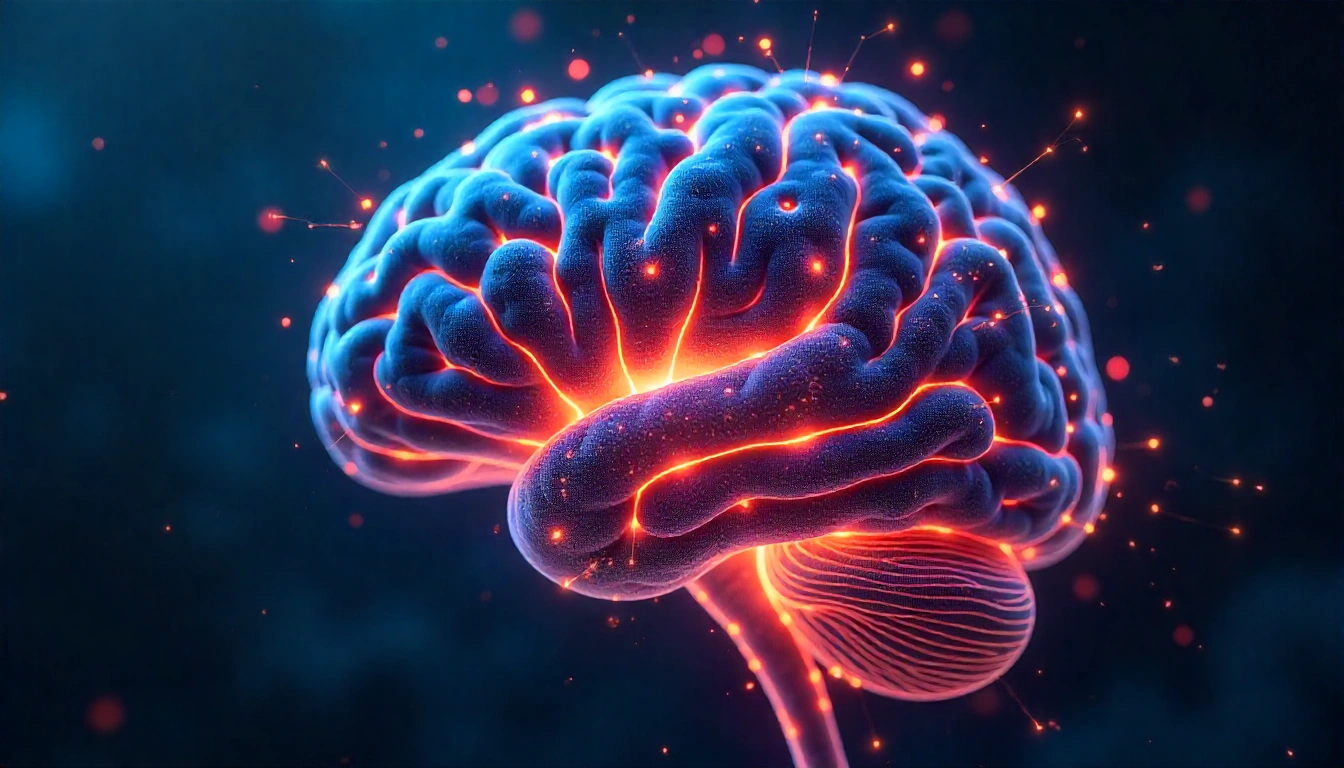

When we think about trauma, our minds often gravitate toward emotional and psychological wounds. We picture anxiety, nightmares, flashbacks, and overwhelming fear. However, what is less commonly discussed—but equally critical—is how trauma leaves deep imprints on our physical health. The mind and body are profoundly connected, and unaddressed trauma can manifest not just emotionally but also physiologically, often in surprising and painful ways.
Understanding Trauma Beyond the Mind
Trauma refers to an intense emotional response to a distressing or disturbing event. Whether caused by a single incident like an accident or ongoing experiences such as abuse or neglect, trauma activates the body's stress response system. In the immediate aftermath, this "fight, flight, or freeze" response is adaptive, helping us survive danger. But when the trauma remains unresolved, the body can stay stuck in a state of hypervigilance, tension, or shutdown, even long after the threat has passed. This chronic activation of the stress response impacts multiple bodily systems, including the nervous, immune, and endocrine systems. Over time, this can contribute to the development of a wide range of physical health issues.
How Trauma Impacts Physical Health
Research has shown that individuals who have experienced significant trauma are at a higher risk for numerous chronic health conditions. One of the clearest examples is the relationship between trauma and inflammation. When the body remains in a constant state of stress, it can trigger ongoing low-grade inflammation, which is known to contribute to diseases such as arthritis, cardiovascular problems, diabetes, and even some types of cancer. Moreover, trauma can affect the gut-brain axis—the communication network between our digestive system and our brain. Many people with a history of trauma report gastrointestinal issues like irritable bowel syndrome (IBS), bloating, and chronic stomach pain. The microbiome, or the community of bacteria in our gut, can also be disrupted by stress and trauma, leading to further health complications. Sleep disturbances are another common consequence. Poor sleep quality or chronic insomnia, often rooted in trauma-related anxiety, impairs the body's ability to repair itself, weakening the immune system and making individuals more susceptible to illnesses.
The ACE Study: Connecting Childhood Trauma to Lifelong Health
One of the most influential studies in understanding the link between trauma and physical health is the Adverse Childhood Experiences (ACE) Study. Conducted in the late 1990s, this research found that the more adverse experiences individuals had in childhood—such as abuse, neglect, or household dysfunction—the greater their risk for developing serious health conditions in adulthood. Individuals with high ACE scores were more likely to experience heart disease, stroke, obesity, diabetes, and a host of other conditions. The study highlighted that trauma is not just a psychological issue but a public health issue, emphasizing the need for early intervention and comprehensive care.
Healing the Body and Mind Together
Given the deep connection between trauma and physical health, healing must address both aspects simultaneously. Trauma-informed care models stress the importance of safety, empowerment, and trust in medical and therapeutic settings. Traditional talk therapy may be helpful for some, but many individuals benefit greatly from body-based therapies as well. Approaches such as yoga, somatic experiencing, trauma-sensitive physical therapy, and mindfulness practices help individuals reconnect with their bodies, release stored tension, and rebuild a sense of safety within themselves. These therapies acknowledge that trauma is not only "all in the head" but is stored within the body’s muscles, cells, and nervous system. Moreover, lifestyle changes such as improving diet, engaging in regular physical activity, practicing good sleep hygiene, and learning stress management techniques can significantly support physical healing. Building strong social connections and accessing supportive communities also play a crucial role in recovery.
A Call for Compassionate Understanding
Trauma is a silent architect behind many physical illnesses, shaping bodies and lives in ways often unseen and misunderstood. Recognizing the profound interplay between emotional wounds and physical symptoms invites a deeper, more compassionate approach to health care. Healing from trauma is not just about feeling better emotionally—it is about reclaiming a vibrant, healthy life on all levels. If we want to foster true wellness, we must honor the stories our bodies are telling and create spaces where healing is possible—both inside and out.