
Introduction
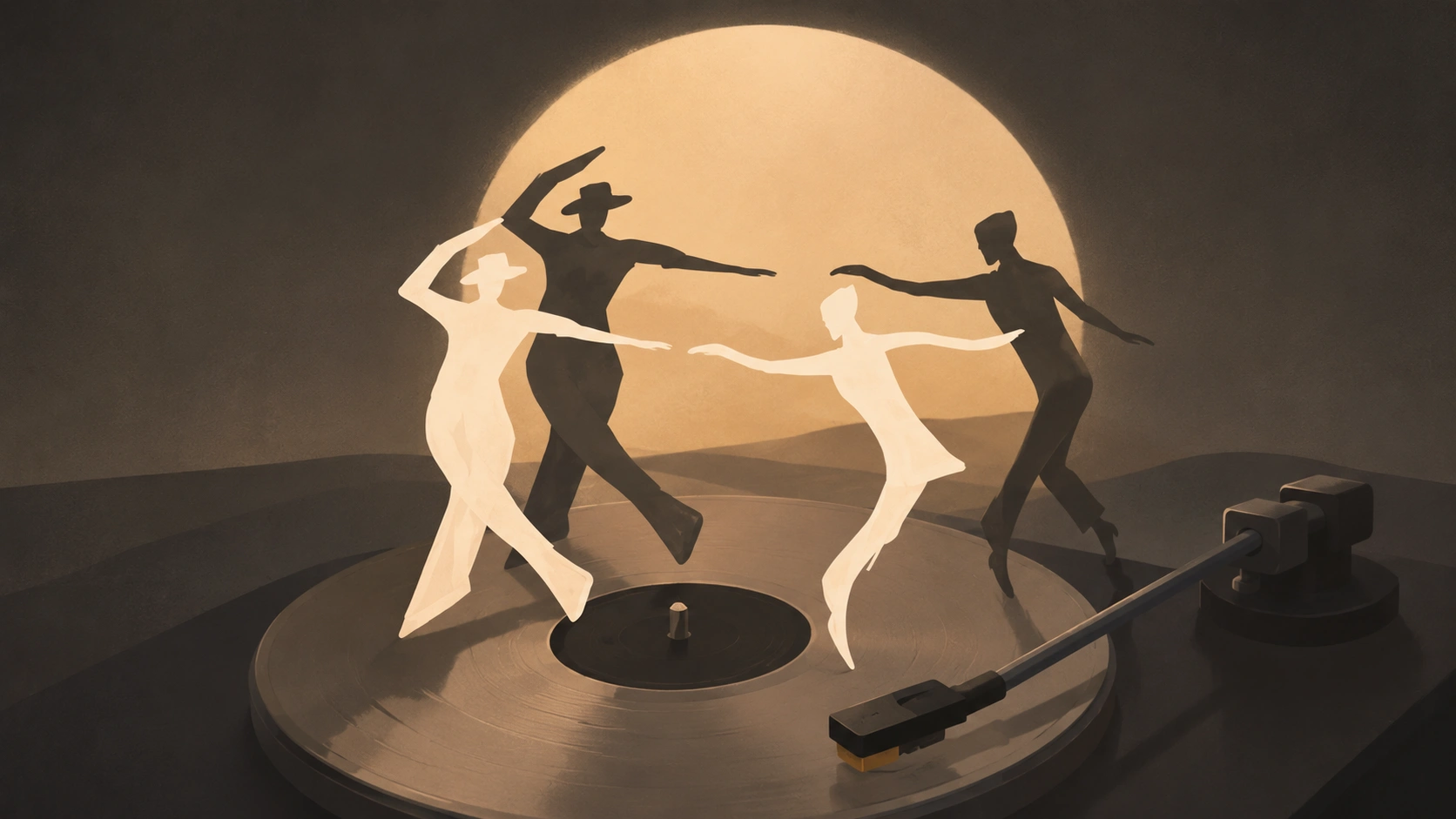
We often hear how the end goal of both psychology and spirituality is seeking peace of mind. Spirituality is well known for the peace part, while psychology is all about mind. But we never realise how important and connected both domains are in achieving our end goal. Unfortunately, both of these aspects have been considered separately until now. It’s time now that we talk about the intersection of both these dimensions in therapy. So this blog is exactly about that. We talk about why integrating spirituality and psychology is helpful in therapy, who benefits from it and why sometimes the integration can be counterproductive.
Setting the ground- What do we mean by Spirituality and Psychology
Spirituality is often used interchangeably with religion. But spirituality is much more than that. Unlike an organised system like religion, spirituality is about connection with oneself and finding one’s own purpose and meaning. There are no specific rituals in spirituality. One can practice whatever brings them peace. Just like psychology, spirituality’s purpose in one’s life is different for everybody. For some, it’s a lens through which they look at the world, while for some, it can be used for coping in difficult times. In traditional terms, psychology is defined as the science of behaviour and mental processes. Therapy has always been seen as an intervention, and not a journey. The stigma around mental health might have some role to play in this. This might also be the reason why psychology and spirituality have been treated so distinctly until now. Both psychology and spirituality can be a person’s savior during the darkest times of their life. Both these domains help an individual reach their personal goals at their own time. Then, why have we spent so many years of our lives trying not to mix them? One reason for this could be related to the Myers- Briggs personality types. One such dimension under it was the categorisation of thinkers and feelers. Since psychology and therapy is more about talking about one’s feelings and working on one’s thought processes, it is rather preferred by people who are thinkers. On the other hand, spirituality is about experiencing certain emotions in our body and mind, so it’s looked upto by people who are feelers. This brings us to the section where we talk about which category of people benefit from which domain
The Spectrum — Who Benefits from What?
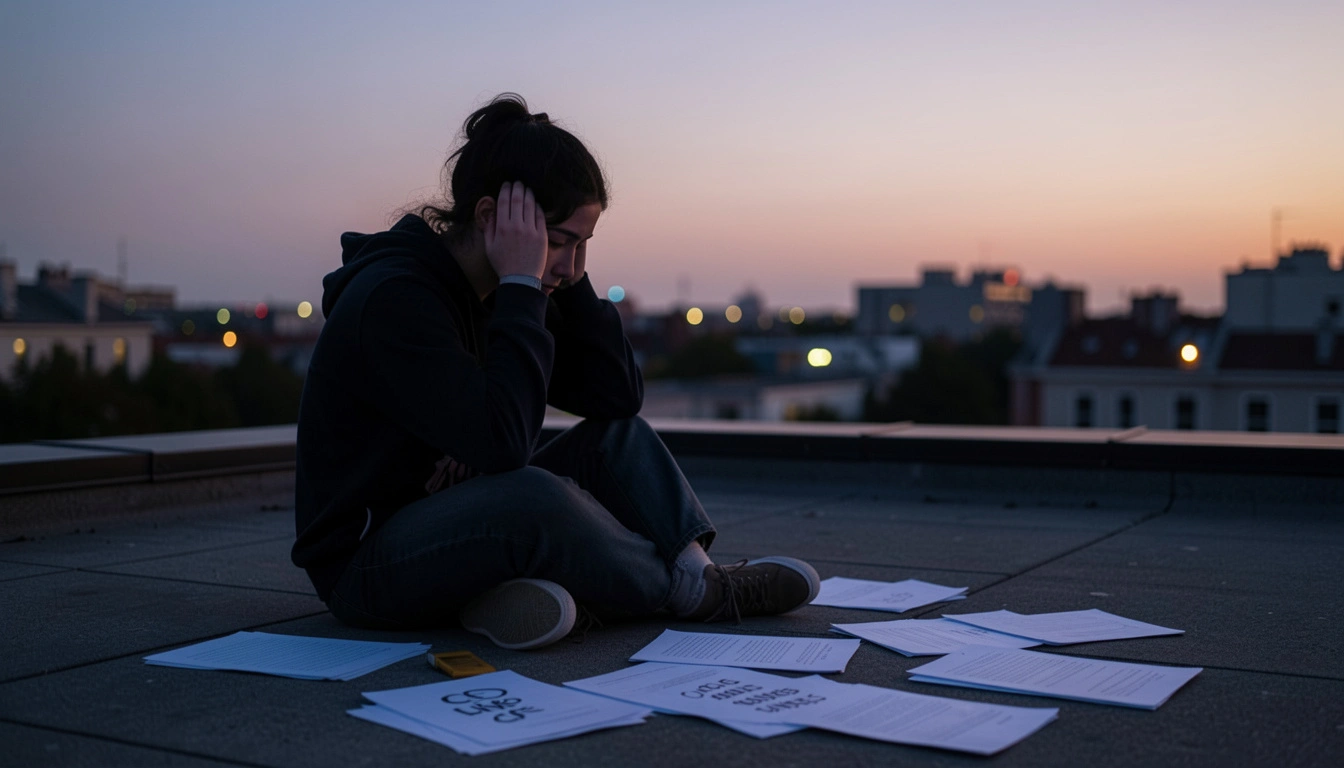
As most of our life questions, there is no clear answer as to what is better- spirituality or psychology. However, we do know the category of people who would benefit from spirituality versus people who are more suited in traditional therapy. On one end, people who are mentally stable can benefit more from spiritual practices like mindfulness, meditation, prayer or philosophical contemplation. Since there’s no acute distress present, these individuals can use spiritual practices for personal growth. They have the capacity to reflect deeply about life without triggering emotional dysregulation.Individuals who are going through temporary acute distress due to grief, breakup, career uncertainty etc aren’t exactly categorised as clinical population, but they are emotionally vulnerable. For such individuals, psychological interventions like journaling, therapy, CBT rooted in spiritual practices such as building community, hope and value based guidance serves the best. This is because spirituality may offer meaning making tools, but psychology allows the individual to practice emotional processing. If spirituality is used alone, it may sometimes bypass the emotional processing that is necessary for an individual to detect toxic thought patterns and mood fluctuations.Lastly, on the extreme end of the spectrum is the clinical population. These individuals have diagnosable conditions that impair functioning and require clinical care. For them, it is recommended that psychology and therapy take the front seat because these conditions involve neurochemical imbalances, trauma, or distorted thinking that need evidence-based interventions like medication, psychotherapy, or trauma-informed care. Some spiritual practices like fasting, solitude, and abstract contemplation can worsen symptoms. Ofcourse, spirituality can be integrated later, when the client is more stable.
Caveats and Cautions — When Spirituality Can Be Counterproductive
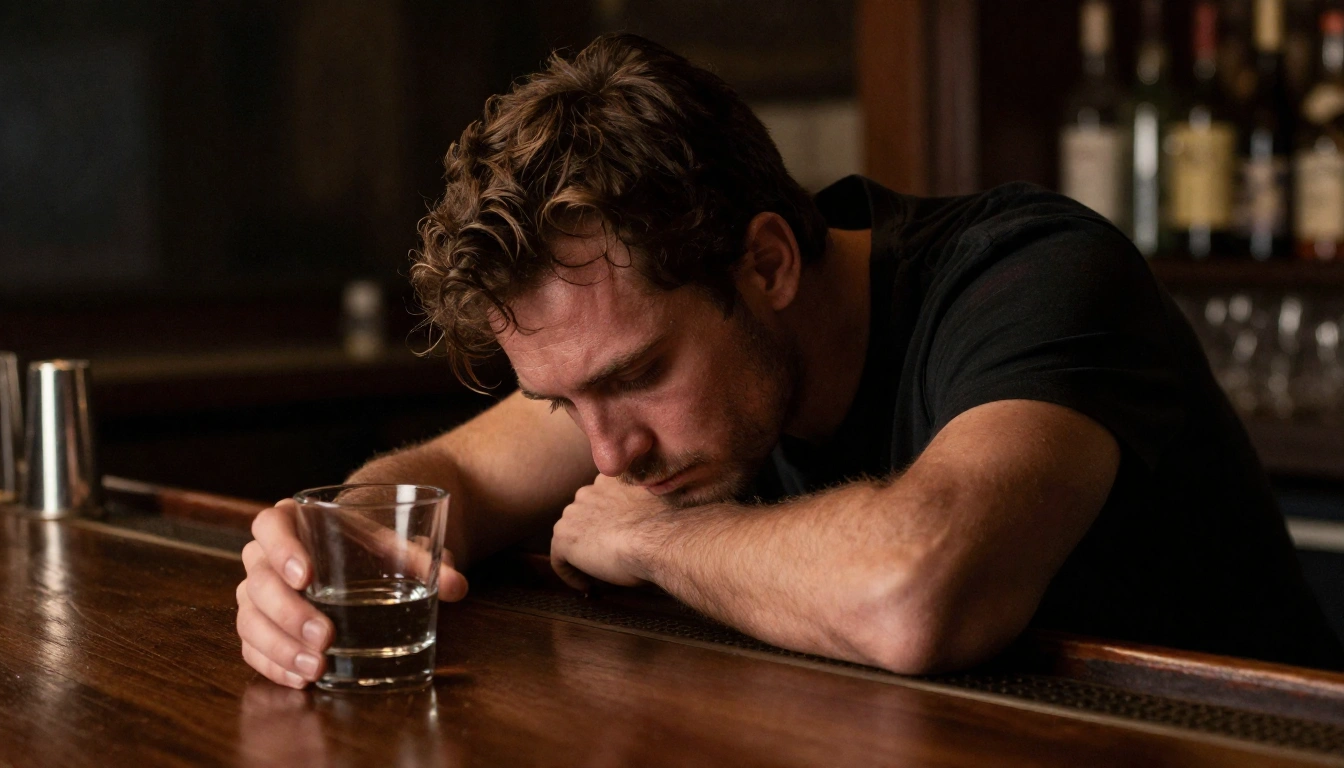
Spirituality integrated within therapy is a great idea for the right people and if used the right way. However, it is important to remember they cannot be used as a replacement for one another. For example, spiritual practices cannot be used as an excuse to skip emotional work- which is much deeper, vulnerable and quite necessary in today’s age. Spirituality, if used incorrectly can also induce guilt from certain belief systems which believe in internal locus of control. For example, depression for anyone should not be looked at as a punishment for one’s own fault. Unfortunately, spirituality has been used as a vehicle to spread tremendous amounts of misinformation by rigid gurus who preach pseudoscience and promise peace in life by practising questionable rituals. Spirituality is a journey towards transcendence which holds a lot of meaning in one’s life and hence should not be misused as something else.
The therapist’s role- an ethical integration
A persistent question in the space of mental health practice has been around the idea of therapists integrating spirituality in psychological practices. The answer, again, isn't straightforward. However, it’s important to be mindful of which client can benefit from spirituality and which client can be harmed from it. Now, the question arises, can the therapist initiate a spiritual lens if they believe in it? Or should they wait for the client to bring in spirituality? If a therapist comes from a spiritual space and wants to bring that in therapy, there are three main things to keep in mind. Firstly, the client should know about the therapist’s stand right before the first session. Secondly, the therapist should make sure that a spiritual worldview will not harm the client and they should be on board with the idea. Lastly, certain spiritual values between the client and therapist should be agreed upon during the course of therapy.
Conclusion
In the end, in order to responsibly and mindfully experience the integration of spirituality and therapy, one should look at healing and not just curing, which is only possible through the intersection of spirit and science. For many, healing isn’t about the lack of the illness, it’s about feeling whole. It’s important to come out of our traditional sense of doing things and look at the larger picture. Not every path is linear, and combining psychology with spirituality requires thoughtful navigation