
Introduction
Sometimes, we end up saying things to others that we don’t mean and regret later. It might be something like picking a fight with your partner because you had a bad work day. Or, shouting at your mom because your househelp didn’t come that day. This often happens due to lack of emotional regulation. Fortunately, multiple researches have proved the importance of the vagus nerve when it comes to emotional regulation. But most studies haven’t talked about why it’s important and how it influences our lives. In this blog, we’re going to tap into hidden areas of vagus nerve and emotion regulation that no one talks about.
What is the vagus nerve?
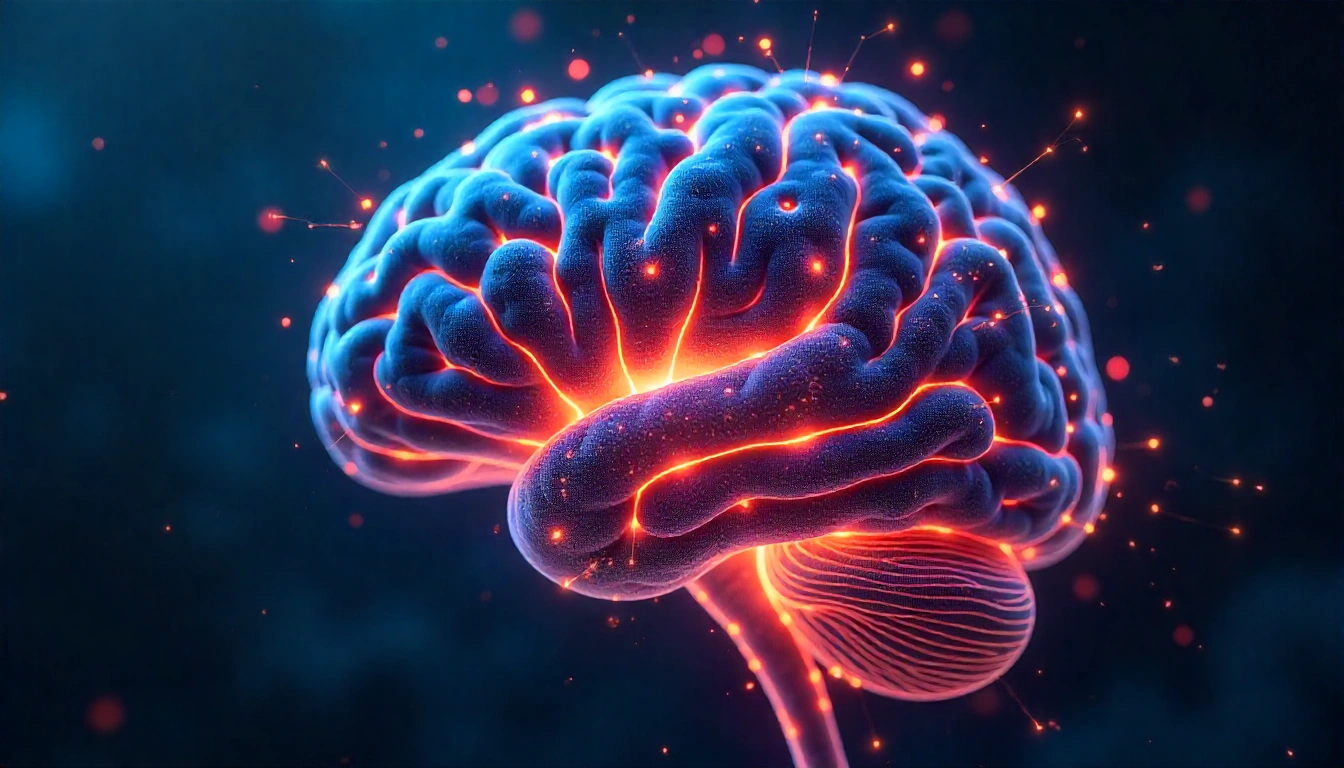
The vagus nerve is one of the biggest nerves running from our brain to our large intestine. Vagus nerve is connected to the parasympathetic nervous system which is also known as the rest and digest system. It essentially cools down our body emotionally from the sympathetic nervous system which puts our body into fight or flight. The vagus nerve not only connects the brain with the intestine, but has connections all over the body including heart, lungs and gut
The vagus nerve and emotional regulation
The vagus nerve enhances emotional regulation in our body by communicating bi-directionally between the brain and other organs. This ensures that the brain receives signals from the organs when the body is in a stress response. The brain inturn sends signals to the bodily functions to return to a normal state by affecting the digestion, breathing, etc The vagus nerve also plays a role in our Heart Rate Variability ( HRV) i.e the beats of our heart. When the coordination between vagus nerve and HRV are is smooth, it indicates a low rate of variation in heart beats (HRV) and thus sends our body into a calming influence
Beyond the basics, vagus nerve insights you’ve never heard
Now that we know how our vagus nerve influences emotional regulation, let us look at some hidden perspectives about the influence that no one talks about-
The Gut- Emotion bridge
As mentioned before, the vagus nerve plays a huge role in transmitting information from the brain to the other parts of the body. One of the body parts is our gut. Vagal tone, which reflects the activity of the vagus nerve, significantly influences the perception of gut sensations, also known as interoception. In simple words, changes in the functioning of how the vagus nerve can affect how we interpret sensations related to the gut. For example, if you have ever misinterpreted hunger for stress or anxiety, you now know why that happens. This could also be the reason why most of us feel irritated while we are hangry.
Vagus Nerve and Social Safety Beyond Eye Contact
Emotional regulation is affected by a lot more than merely our emotions. Some of the social safety indicators that influence emotional regulation are voice modulation, facial expressiveness, and emotional resonances. Activity in the vagus nerve ( vagal tone) can allow for a greater expression of emotions through our voice and our facial expressions. The more we can express ourselves to others, including our nuanced emotions, the more regulated we feel. Emotional resonance refers to how deeply we connect with others. The vagus nerve makes sure our body has heightened sensitivity to social cues, hence promoting our emotional resonance
Vagus nerve stimulation for emotional regulation
Having learnt the crucial role of vagus nerve in emotional regulation, let us now learn about how to stimulate it-
1. Natural daily practices
Surprisingly, a lot of what we do everyday helps in vagus nerve stimulation ( considering we actually do it). This can include ancient Indian practices such as chanting (OM), humming and gargling. An interesting breathing exercise which can be particularly helpful is the extended inhale. To practise this, simply inhale for a few counts, and then inhale a bit more before exhaling. This lets our vagus nerve know that our body is safe right at that moment. Other than that, practices like cold showers and singing mantras can also help:)
2. Mind- Body approaches
Out of all the benefits of yoga that we’ve heard over the last few years, we’re here to add one more to the list. Yoga asanas, specifically the ones that engage the diaphragm and chest are helpful for vagus nerve stimulation. Along with that, the lesser known practices such as Progressive muscle relaxation (PMR), Tai Chi and Qigong also help with vagus nerve stimulation
3. Interpersonal regulation
Most of the time, the people around us play an equal role in our personal emotional regulation. So here are a few things one can practice with others to emotionally regulate oneself through vagus nerve- eye gazing with a trusted person, gentle touch or synchronized movement (dance, walking) and lastly reading aloud or storytelling to children
Conclusion
Emotional regulation is not just “mind over matter” — it’s also “nerve over mind.” By tuning into the vagus nerve, we engage with a forgotten language of self-soothing and emotional intelligence. Try one vagus stimulation practice today and reflect on how it made you feel emotionally!