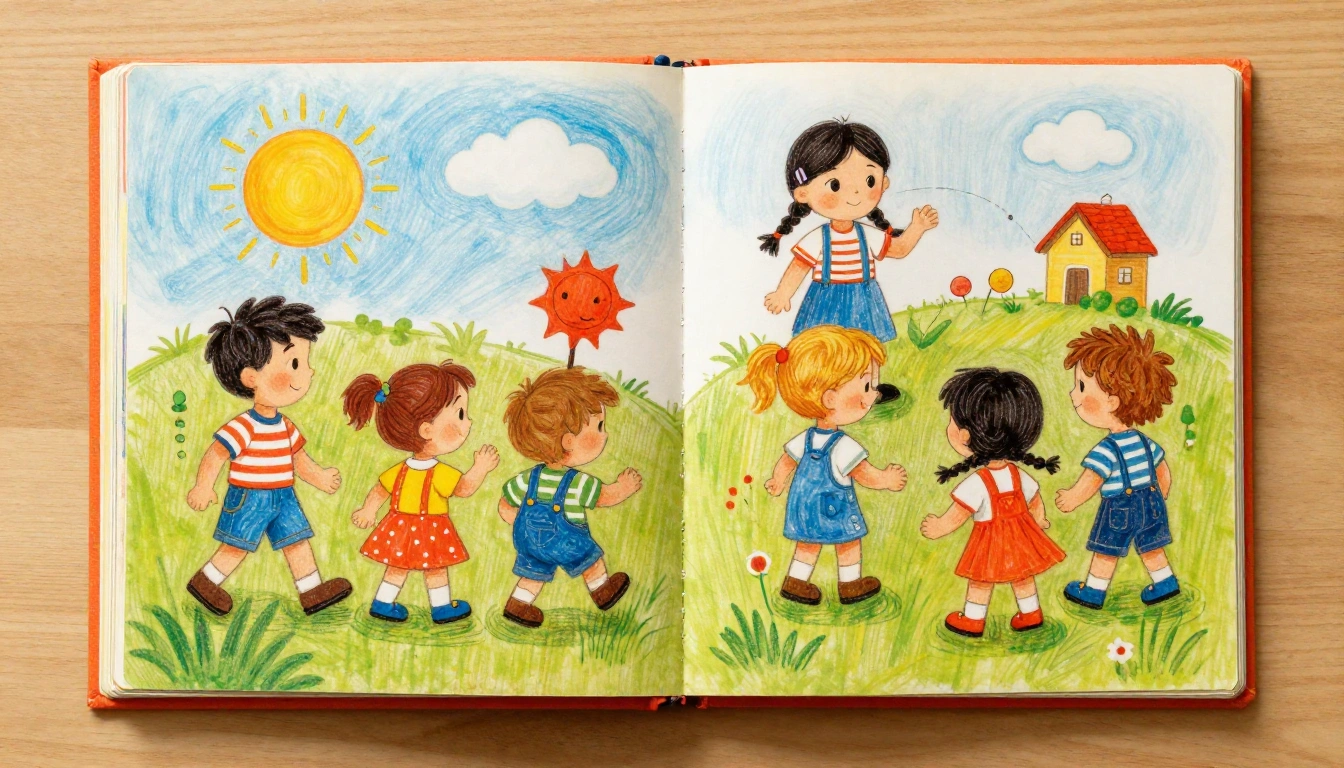

Have you ever heard of any of your friends or relatives who are neither the youngest nor the oldest having a hard time in their life? Or perhaps struggling with their identity? If yes, then you’re not alone. In this blog, we would like to introduce you to “the middle child syndrome” We often pity the middle child because we feel bad for them for not getting the attention they deserve and being overlooked in general. But, are middle children truly overlooked, or is there more to the story? This blog will explore the meaning of the concept, the psychological impact of being a middle child, the role of parents and the environment and some of the stereotypes associated with the concept!
What is middle child syndrome
Middle Child Syndrome is the belief that middle children feel neglected, overshadowed, or struggle with identity. As a result, the middle children are believed to have different personality traits and different perceptions of childhood as compared to their other siblings. The birth order of the middle child is believed to affect their relationships and personality traits. This is coming from Alfred Adler’s birth order theory which says that the order in which a child is born affects their personality development. Alfred Adler was a former psychoanalyst and was credited for the contribution of individual psychology and the birth order theory. According to the birth order theory, children belonging to a certain birth order have specific personality traits For example,
Firstborn
May be more responsible, perfectionist, and have a strong sense of self-reliance. They may also be more likely to be leaders and follow rules.
Middle child
May feel left out and rebellious, and may be more independent than their siblings. They may also feel a need to prove their self-worth.
Only child
May be spoiled and have difficulty sharing. They may also be creative, confident, and well-spoken.
Lastborn
May have a sense of adventure and rebellion.
The birth order theory has been backed with several empirical evidence but also has a lot of criticisms. What most people don’t know is that Adler not only emphasized on the biological birth order but also the psychological birth order. This essentially means what the child feels about his own birth order. For example, the eldest child if pampered a lot and given a lot of attention might feel like the youngest child and that would be his birth order. Similarly, a single child who has been given no attention and has been overlooked, might feel like a middle child and that becomes his psychological birth order. Hence, the way a child feels about his role in the family based on how he has been treated matters.
The Psychological Impact of Being a Middle Child
Feeling Overlooked or Unnoticed
Middle children often report receiving less parental attention compared to their elder and younger siblings. As parents naturally focus on the firstborn’s milestones and the youngest’s needs, the middle child may feel like they are left in the background. This can lead to the development of strong independence as they learn to navigate life on their own. Alternatively, some middle children may become rebellious, acting out in an attempt to gain recognition and stand out. The feeling of being "lost in the middle" can be frustrating but also contributes to a strong drive for self-sufficiency and autonomy.
The Peacemaker Role
Due to their position between siblings, middle children frequently learn diplomacy and negotiation skills early on. Acting as mediators in sibling conflicts, they develop a natural ability to see multiple perspectives and balance differing viewpoints. This role fosters emotional intelligence and enhances their ability to build strong social relationships later in life. As they constantly navigate family dynamics, they become skilled at managing interpersonal conflicts and maintaining harmony. This is extremely useful in their careers when they have to deal with conflicts within teams. However, being the only one to navigate through various conflicts while dealing with people who aren’t ready to adjust can come at the cost of their mental peace and can lead to burnout.
Identity Struggles
One of the key challenges for middle children is defining their individuality. Without a clear family role like the "responsible eldest" or the "pampered youngest," they often seek validation outside the family unit. This search for recognition can drive them to pursue unique interests, form strong friendships, and carve out a distinct identity. Although this struggle for individuality can be challenging, it often results in a strong sense of self-awareness and a deep understanding of their own needs and aspirations.
Resilience & Adaptability
Because middle children are accustomed to navigating family dynamics with limited parental attention, they develop strong interpersonal skills. Their experiences often make them resilient and adaptable to new environments, whether in school, work, or personal relationships. Learning to find their own path without excessive parental intervention fosters problem-solving abilities and emotional intelligence, which can be valuable in adulthood.
The Role of Parenting & Environment
The experiences of a middle child are significantly shaped by parenting style, socio-economic conditions, and cultural influences. Parental behavior plays a crucial role in how middle children perceive their place in the family. If parents make a conscious effort to distribute attention equally, middle children are less likely to feel overlooked. However, if favoritism is evident, feelings of neglect may arise. Socio-economic conditions also affect middle children’s upbringing. In larger families with financial constraints, parental resources may be stretched, leading to less independence for middle children. On the other hand, in well-off families, structured parental involvement can help minimize feelings of being left out. Money is often prioritised for the eldest for their education so that they can fulfill parent’s expectations and the youngest who’s endless needs drain the family’s financial resources, hence leaving little scope for the middle children. Cultural differences further shape middle child experiences. In some cultures, birth order determines significant family responsibilities, giving middle children distinct roles to fulfill. These cultural factors influence how middle children develop their sense of identity and belonging. To prevent feelings of neglect, mindful parenting is essential. Providing each child with individualized attention, encouragement, and support ensures that middle children feel valued and acknowledged within the family.
The Strengths of Middle Children
Despite the challenges they face, middle children develop remarkable strengths that serve them well in adulthood. They tend to be highly independent and self-sufficient, having learned early on to rely on themselves. Their strong social and communication skills stem from their role as peacemakers, helping them build meaningful relationships. Middle children are often creative and resourceful thinkers, capable of adapting to different situations and finding innovative solutions to problems. They are empathetic and emotionally intelligent, making them excellent at understanding and managing emotions. Furthermore, they are more open to change and new experiences, as they are used to adjusting to different family dynamics and expectations.
Breaking the Stereotype—Do All Middle Children Feel Neglected?
The idea that all middle children suffer from neglect is an oversimplified stereotype. Research findings suggest that birth order alone does not determine personality or self-esteem. Instead, a combination of parenting, environment, and individual experiences shapes middle children’s development. Many success stories prove that middle children thrive precisely because of their unique upbringing. Their independence, problem-solving skills, and adaptability often lead to success in careers and personal lives. Some middle children even feel advantaged rather than overlooked, as they develop resilience and social intelligence that help them navigate life effectively. What we often forget is that middle children after all receive love not just from their parents, but they can be quite endured by the eldest and the youngest child. The eldest child can be protective of them and the youngest child can look upto them as their immediate hero. This makes the middle children experience two roles at the same time!
Navigating Middle Child Dynamics in Adulthood
The experiences of middle children continue to shape their lives well into adulthood. In relationships, they often bring strong conflict resolution skills, making them empathetic and understanding partners and friends. Their career choices frequently reflect their adaptability and leadership skills, as they excel in professions that require negotiation, teamwork, and creative thinking. For those who experienced childhood neglect, healing is possible through self-awareness, therapy, and meaningful relationships. Recognizing their strengths and embracing their individuality can help middle children turn their early struggles into personal growth. By utilizing their unique abilities, they can build fulfilling careers and relationships that reflect their resilience and adaptability.
Conclusion
Middle child syndrome is not a universal truth but rather a cultural and psychological construct that affects some families more than others. While middle children may face unique challenges, they also develop remarkable strengths that contribute to their success in life. Rather than viewing birth order as a deterministic factor, recognizing individual personalities, experiences, and parenting dynamics can paint a much clearer picture of what it truly means to be a middle child. Ultimately, middle children are not doomed to be forgotten—they have the potential to be resilient, independent, and influential, thriving in their own unique way.