
Introduction
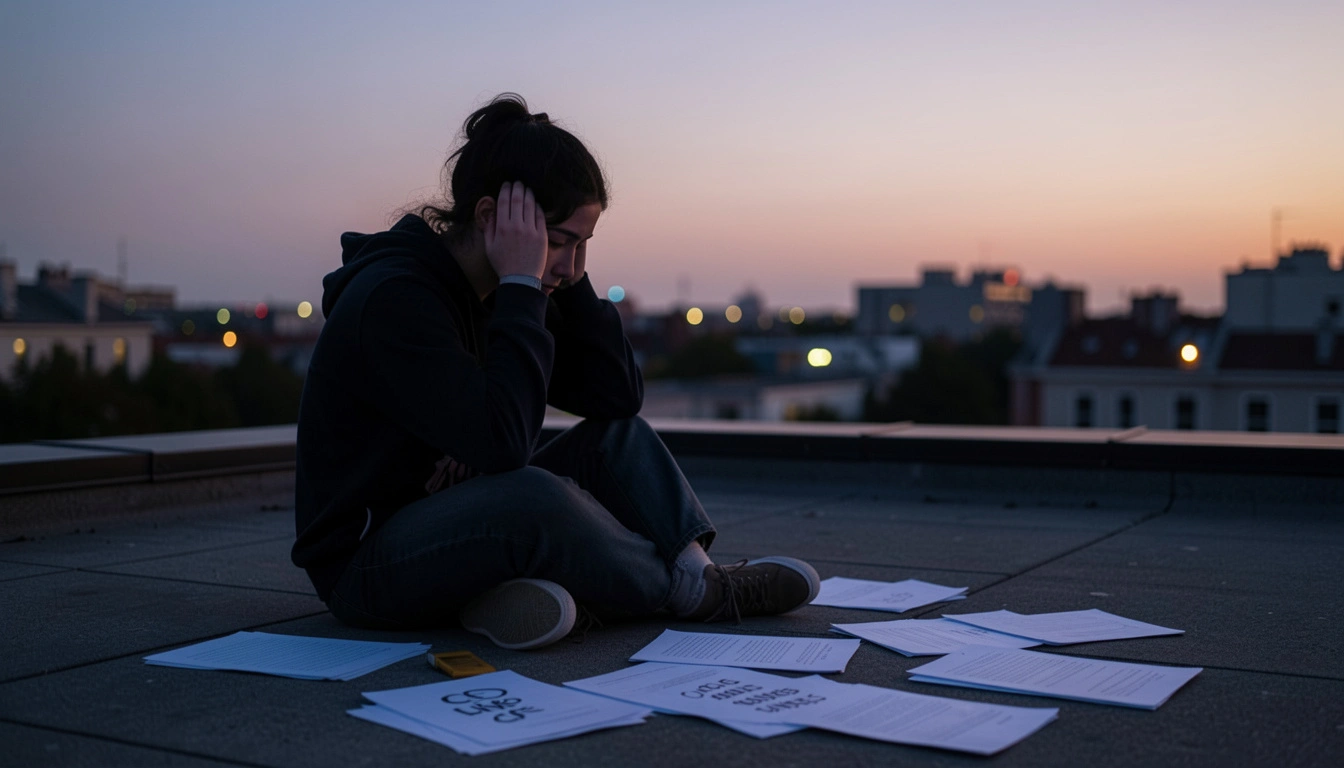
Uncertainty isn’t just an occasional visitor in our lives, it’s more like an uninvited roommate. Whether it’s the fear of losing a job, waiting for a diagnosis, or grappling with global upheavals, uncertainty creates a vacuum. Our brains, wired for prediction and control, often interpret this vacuum as danger. What makes uncertainty particularly distressing is not just the lack of information, but the lack of closure. We’re stuck in the “not yet,” a liminal psychological space where outcomes remain suspended. Learning to live with this space, not just tolerate it, but coexist with it, requires more than just optimism or planning. It requires a shift in the relationship with ambiguity itself.
Why We Struggle
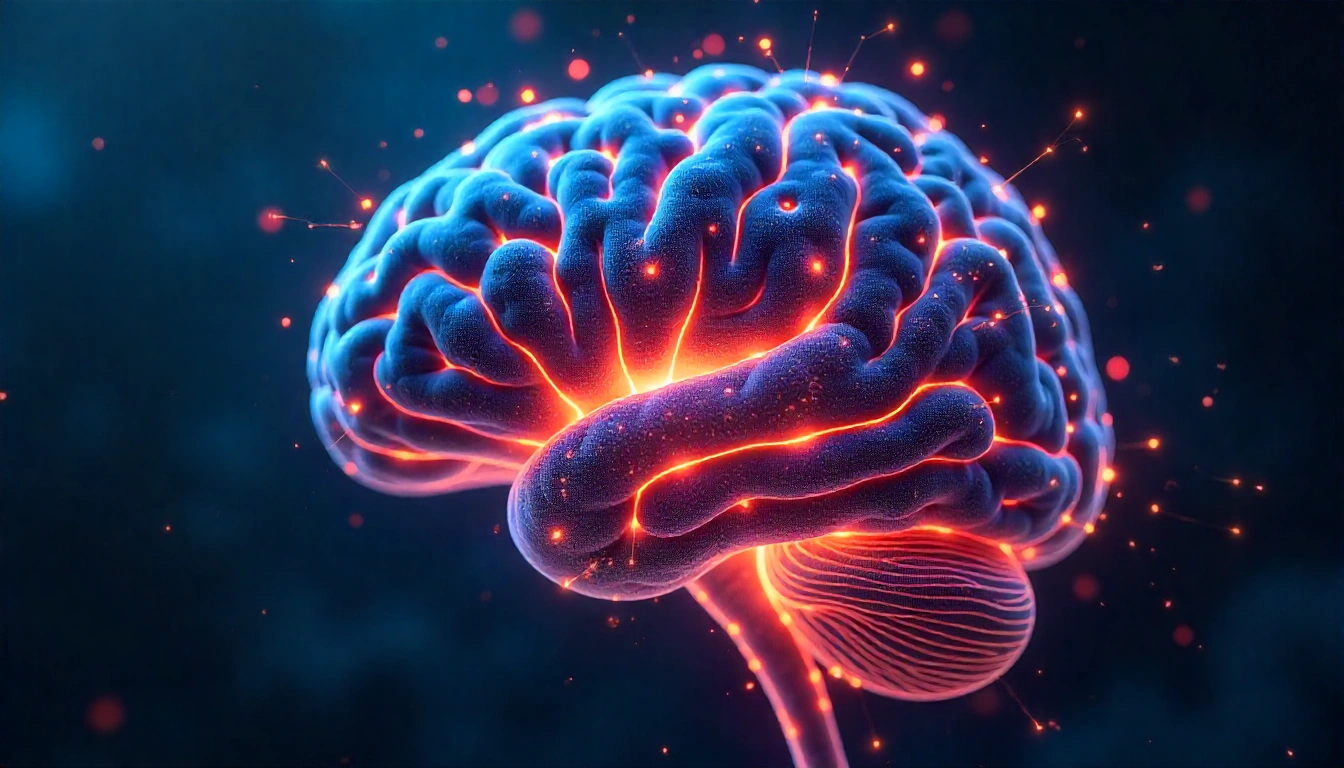
Most of us are raised with the illusion that control equals safety. We build timelines, to-do lists, and five-year plans, and mistake structure for certainty. But the human experience was never meant to be tightly choreographed. Excessive control-seeking behaviours like obsessively checking news, over-researching, or over-planning often increase anxiety. Neuroscience suggests that the intolerance of uncertainty is linked with heightened amygdala activity, which is associated with fear processing. When outcomes are unpredictable, our survival instincts flare, pushing us into fight, flight, or freeze. What we label as “worry” is often just our brain’s attempt to resolve unpredictability with hypothetical narratives.
Psychological Flexibility
The real antidote to uncertainty isn’t more control; it’s psychological flexibility. This means holding space for contradictory emotions, adapting without losing your core values, and acting with intention rather than reaction. It’s about recognizing that ambiguity doesn’t have to be paralyzing; it can be a place of potential. Studies in Acceptance and Commitment Therapy (ACT) emphasize the power of “cognitive defusion”, stepping back from anxious thoughts instead of trying to suppress them. When you say, “I’m having the thought that I will fail,” instead of “I will fail,” you shift from being inside the storm to observing it from the outside.
The Role of Meaning
When faced with uncertainty, the brain demands a “why” even more than a “what.” Viktor Frankl, a Holocaust survivor and psychiatrist, observed that survival often depended not on conditions, but on the meaning individuals ascribed to them. Modern research supports this. People who can create or find meaning in uncertain situations, whether through creativity, service, or spiritual reflection, report higher emotional endurance. The point isn’t to sugarcoat suffering, but to place it in a narrative that aligns with one’s values and identity. In the fog, the story becomes our lighthouse.
Anchors in the Present
While the future may be blurry, the present offers touchpoints, called micro-certainties. These are small, daily rituals that ground us, such as boiling tea, stretching in the sunlight, and watering a plant. These acts aren’t distractions; they’re acts of re-regulation. They bring the mind back from catastrophic “what-ifs” to the tangible “what is.” Engaging the senses anchors the nervous system and quiets anticipatory anxiety. When the macro feels unstable, the micro becomes sacred.
Conclusion
Coping with uncertainty isn’t about bracing harder. It’s about loosening your grip, not giving up, but giving in to what is real and here. Uncertainty, at its core, is the birthplace of transformation. The more we resist it, the more it exhausts us. But when we lean into it with curiosity and self-compassion, we discover a deeper form of strength, not the brittle kind that resists change, but the fluid kind that adapts and evolves with it. In a world where certainty is a luxury, our greatest asset may be the ability to stand in the unknown and still choose to breathe, to act, to hope.