Introduction: The New Age of Spirituality
Spirituality has always been a significant aspect of human existence, shaping cultures, traditions, and personal beliefs. However, in recent years, a new wave of spirituality has emerged, particularly among the youth. Unlike the rigid, institutionalized forms of religion that older generations followed, today’s young people are embracing a more fluid, personalized, and holistic approach to spirituality. This shift is evident in the growing popularity of practices like meditation, manifestation, astrology, energy healing, and mindfulness. Social media platforms, self-help books, and wellness influencers have played a crucial role in reshaping spirituality, making it more accessible and relatable. The modern youth are blending ancient wisdom with contemporary lifestyles, seeking meaning, purpose, and mental well-being in a world that often feels chaotic. But what is driving this transformation? How are young people redefining spirituality to fit their modern needs? Let’s explore the most prominent spiritual trends that are shaping this generation.
Meditation: A Timeless Practice with a Modern Twist
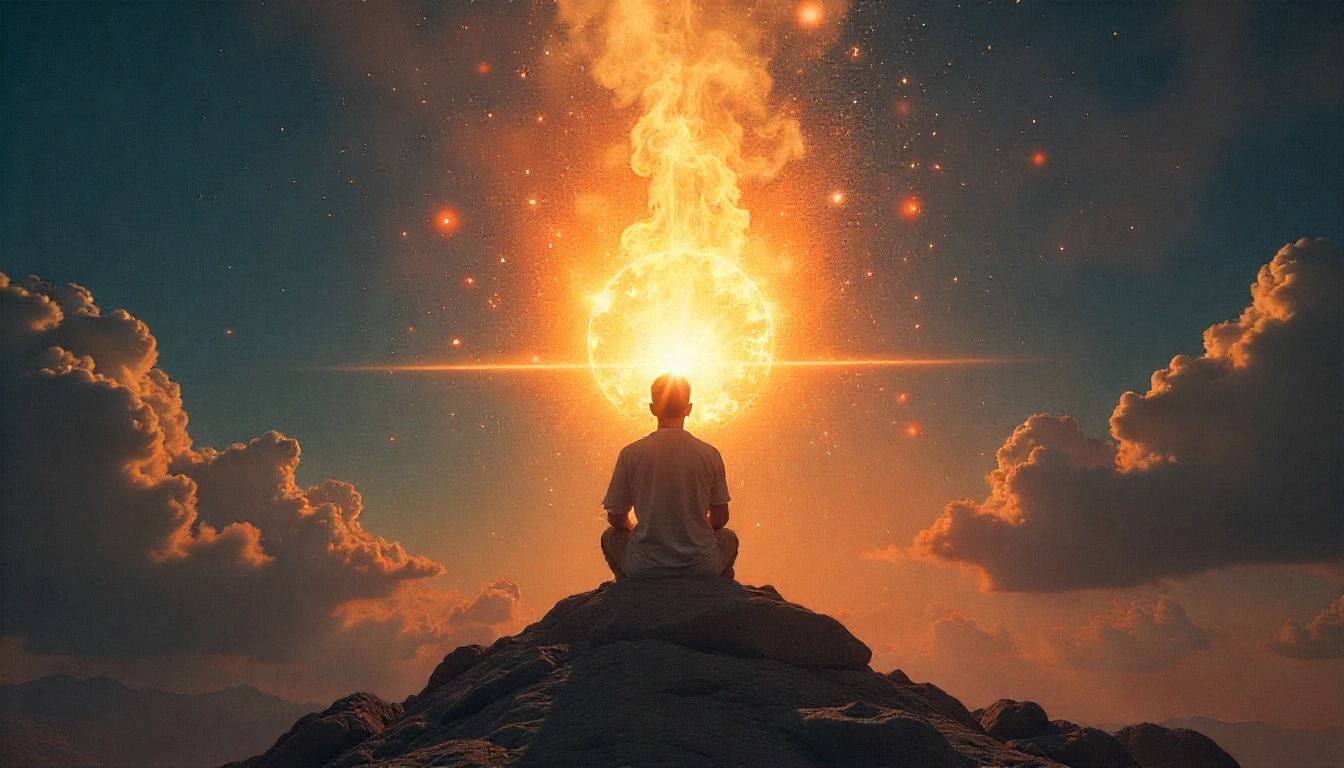
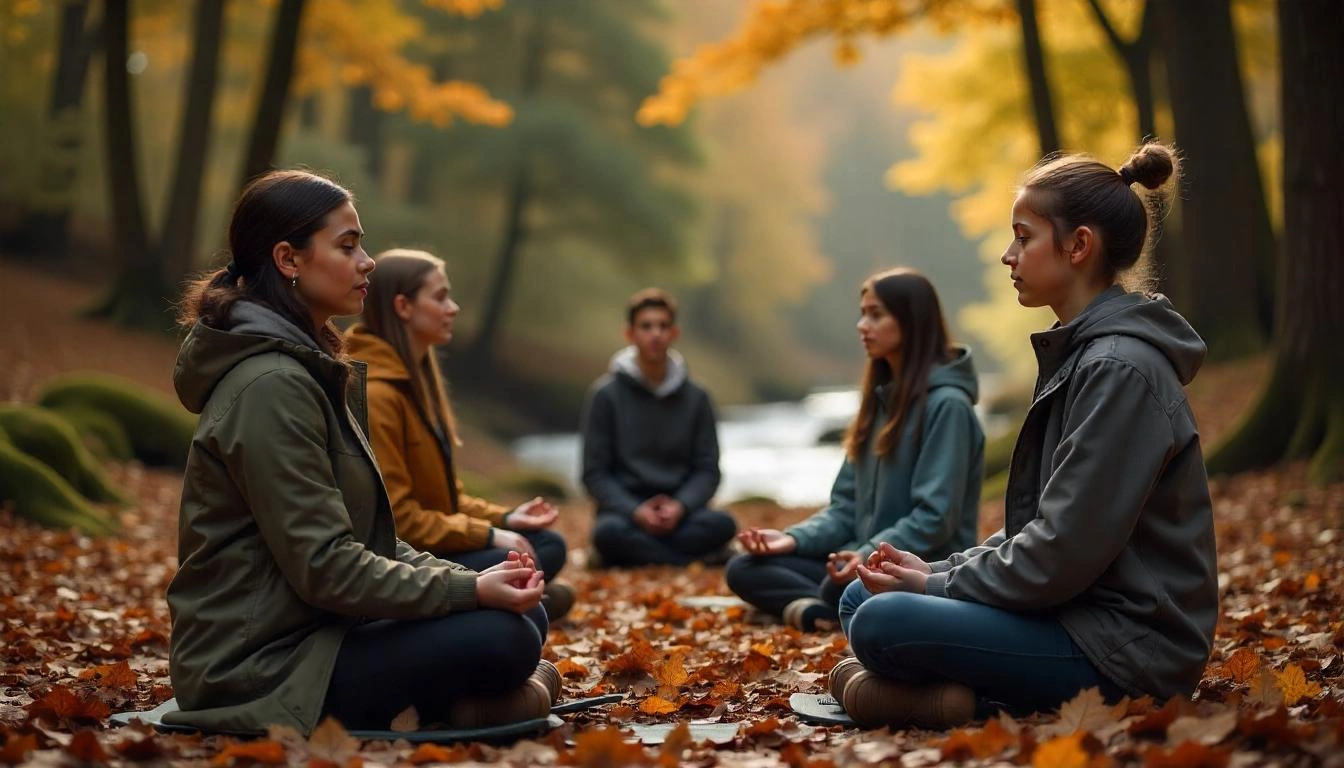
Meditation, once associated mainly with Buddhist monks and Eastern traditions, has now become a mainstream practice. The youth are drawn to meditation not just as a religious or philosophical activity but as a scientifically backed tool for mental well-being. With growing awareness about stress, anxiety, and burnout, young people are turning to meditation as a means of self-care. Apps like Headspace and Calm have made guided meditation easily accessible, breaking the myth that meditation is difficult or requires years of practice. Social media platforms are flooded with influencers promoting "mindfulness challenges" and "morning meditation routines," making it an everyday habit rather than a complex spiritual exercise. From corporate offices to college campuses, meditation rooms and mindfulness workshops are becoming the norm, proving that this ancient practice has seamlessly adapted to modern life.
Manifestation: The Law of Attraction in Action
One of the most fascinating spiritual trends among the youth today is manifestation—the belief that thoughts, emotions, and intentions can directly influence reality. Popularized by books like The Secret by Rhonda Byrne and social media movements like “lucky girl syndrome,” manifestation encourages people to visualize their goals and attract them into their lives through positive thinking, affirmations, and belief in abundance. Young people are using vision boards, scripting (writing their dreams as if they’ve already come true), and affirmation practices to manifest love, success, financial prosperity, and personal growth. TikTok and Instagram are filled with testimonials of people claiming to have "manifested" their dream jobs, relationships, and opportunities by simply aligning their thoughts with their desires. While some view it as pseudoscience, others believe it’s a powerful tool for cultivating a mindset of positivity and motivation.
Astrology and the Rise of Cosmic Spirituality
Astrology, once dismissed as superstition, has made a massive comeback, especially among Gen Z and millennials. The younger generation is no longer just checking their daily horoscope in newspapers; they are diving deep into birth charts, moon phases, and planetary retrogrades. Astrology is now seen as a tool for self-discovery, helping individuals understand their personality, strengths, weaknesses, and life path. Apps like Co–Star, The Pattern, and TimePassages have made astrology more interactive and personalized. Instead of following traditional religious structures, young people are using astrology as a way to navigate relationships, career choices, and emotional growth. The belief that celestial movements influence human behavior gives a sense of connection to the universe, reinforcing the idea that everything happens for a reason.
Energy Healing: Crystals, Reiki, and Chakra Alignment
The rise of energy healing is another significant spiritual trend among the youth. Crystals, once seen as mere decorative items, are now considered powerful energy conductors. Many young people believe that specific crystals like rose quartz (for love), amethyst (for intuition), and citrine (for abundance) can influence their emotional and spiritual well-being. Reiki, a Japanese energy-healing technique, has also gained popularity, with many practitioners offering online sessions. People seek Reiki healing for emotional blockages, stress relief, and overall energy balance. Additionally, practices like chakra alignment and sound healing (using vibrations to cleanse energy fields) have found their way into wellness retreats, social media trends, and even mainstream healthcare settings. The appeal of energy healing lies in its holistic approach—rather than relying solely on medicine or therapy, it encourages individuals to take an active role in their healing process
The Rise of the "Spiritual but Not Religious" Movement
One of the most defining shifts in modern spirituality is the decline of traditional religious practices and the rise of people identifying as "spiritual but not religious" (SBNR). Many young people are distancing themselves from organized religion, feeling that it no longer aligns with their evolving beliefs and lifestyles. However, this doesn’t mean they have abandoned spirituality altogether. The SBNR movement allows individuals to create their own belief systems, blending elements from different philosophies, cultures, and traditions. Some might practice yoga and mindfulness while also believing in astrology and energy healing. Others might adopt Buddhist principles without formally identifying as Buddhists. This freedom to explore and redefine spirituality without strict dogma is a key reason why it resonates so deeply with today’s youth.
Spirituality in the Digital Age
Social media has played a huge role in shaping spiritual trends. Platforms like TikTok, Instagram, and YouTube are filled with content related to spirituality—whether it's tarot card readings, manifestation success stories, or meditation techniques. Influencers have become modern-day spiritual guides, sharing wisdom, experiences, and rituals that make spirituality more engaging and digestible. While this has made spiritual knowledge more accessible, it also comes with challenges. The commodification of spirituality—where practices like tarot readings and crystal healing become profit-driven trends—raises concerns about authenticity. Many critics argue that spirituality should be about inner growth rather than quick fixes marketed for commercial gain. Despite this, social media has undeniably contributed to the widespread acceptance of spiritual exploration among young people.
Mindfulness in Daily Life: Living with Intention
At the core of all these spiritual trends is a desire for mindfulness—the practice of being present, intentional, and aware. Whether it’s through meditation, journaling, yoga, or simple breathing exercises, young people are embracing mindfulness as a way to counteract stress and cultivate inner peace. Unlike previous generations, who often equated success with relentless hard work, today’s youth are prioritizing mental health, self-care, and emotional balance. Many workplaces and educational institutions are now incorporating mindfulness practices, recognizing their role in improving focus, productivity, and overall well-being.
Conclusion
Spirituality among the youth is no longer confined to rigid religious structures. Instead, it has evolved into a personal, eclectic, and holistic journey—one that blends ancient wisdom with modern self-discovery. Whether through meditation, manifestation, astrology, or energy healing, young people are seeking deeper meaning in their lives, not necessarily through gods and scriptures but through connection, mindfulness, and intention. As society continues to evolve, so will spirituality. The future will likely see even more integration of science, psychology, and spirituality, making these practices even more personalized and transformative. Regardless of the path one chooses, the essence of spirituality remains the same—to seek inner peace, self-awareness, and a sense of purpose in an ever-changing world.