
Spirituality is slowly gaining its place as a way of living. But does spirituality lead to having a more internal locus of control or an external? Spirituality helps us gain confidence in our abilities and brings us to where we want to be. Let’s talk about it in detail.
Spirituality
To start with, what is spirituality? Is it a type of religion? Is it a way of living? Is it just a mindset? Well, spirituality can be all of this. Spirituality helps connect our body and mind to achieve a state of connection with the outer energy, bringing inner peace. The concept of spirituality, just like anything else, is dynamic and has evolved over the last few decades. It has recently gained exposure once again and is being accepted and put into practice by a lot of individuals. In modern times, spirituality entails finding our own selves in a way that brings enlightenment. It’s easier to let ourselves go into the world of instant gratification through doom scrolling and streaming unlimited content. However, it’s a much more difficult task to connect with ourselves, have a sense of self-awareness and be conscious of our actions. In the end, to be mindful is to actually live. To be spiritual is to be mindful. Spirituality brings a sense of peace and inner content. It helps us get reacquainted with ourselves and to know who we truly are. In turn, it helps relieve our stress and anxiety. It brings about a sense of acceptance for the stimulus and helps achieve a zen mode in all situations.
Locus of Control
Locus of control is the extent to which an individual is motivated by self or by external circumstances. An individual’s locus of control can either be internal (motivated by self or the belief that rewards are in control of the individual) or external (motivated by external environment or the belief that rewards are controlled by things like fate, luck etc.). An individual with an internal locus of control will have an innate drive to accomplish things, while individuals with an external locus of control tend to take a back seat and let life happen to them.
Effects of Spirituality
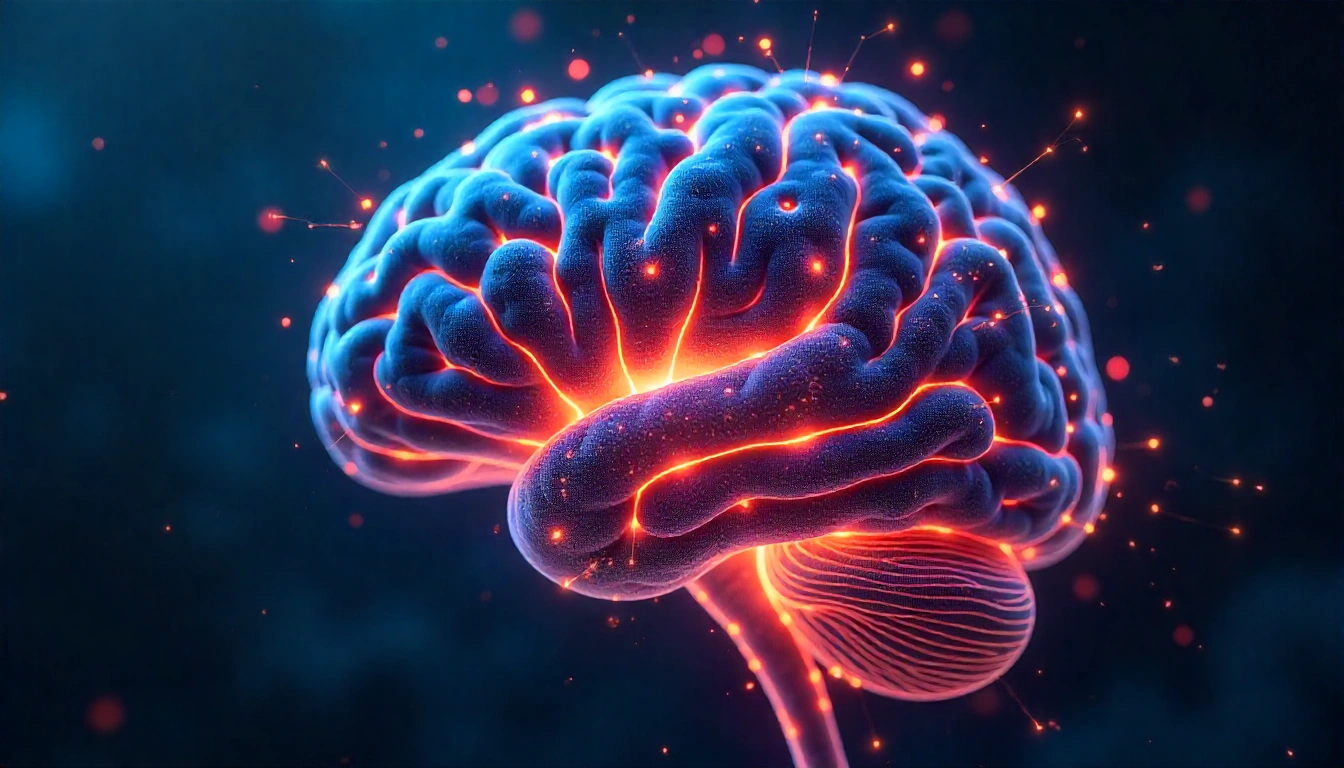
It’s not a surprise that people find faith as a way to believe in something, to give their life meaning or to inspire hope. Adding to that, many studies have proved hope to be a major indicator of the prognosis of illnesses, especially mental illnesses. What’s even more liberating is that one does not need to be religious to be spiritual. It is a frame of mind anyone can adapt. Spirituality helps increase self-esteem and gives the ability to take on new and difficult tasks. It also helps us find comfort in difficult times and build a connection with ourselves. When our connection with ourselves deepens, we begin to trust ourselves more. Spirituality also talks about the notion of intuition or in simpler terms gut feeling. Listening to our gut feeling strengthens it. As a result, we start to believe in our own abilities. It reinforces that we are solely responsible for the outcomes and the more we look towards the positive of any outcome, the more positive outcomes we’re going to attract. This is known as the law of attraction. The basis behind this is when we force our brain to selectively attend to the positive that came out of the situation, it gets wired to do this again and again, resulting in a more optimistic mindset. It’s not like people with an optimistic mindset don’t face adversities, they definitely do. However, their brain is wired to look at it from a ‘glass half-full’ eyes.
Impact of Spirituality on Locus of control
Spirituality focuses on centring oneself and bringing a cohesiveness between our mind and body. It involves bringing ourselves to an energy level where we align with our goals. Showing up as someone who we wanted to become wires our brain to believe this is who we are now. Similarly, believing we can achieve what we’re aiming for gets us ready to receive the rewards. The mindful and centred self achieved through spirituality coupled with increased self-esteem can lead the individual to trust their abilities and put in more effort and when they look at the outcome through a ‘half-full glass’ eye, they perceive it to be a positive one and thus indicating an internal locus of control. We take opportunities as they come and the confidence that was instilled helps us see the tasks through. Even failures are looked at as stepping stones towards success. After all, you can only go up from the rock bottom, right?
Conclusion
To sum it all up, spirituality leads to an internal locus of control. Spirituality helps enhance our self-esteem and confidence in our own abilities. We take up new challenges and become comfortable with setbacks by adopting a new mindset. We look at life with optimistic glasses and focus on the learning aspect of all situations. Such a way of living definitely enhances the quality of life.