Introduction
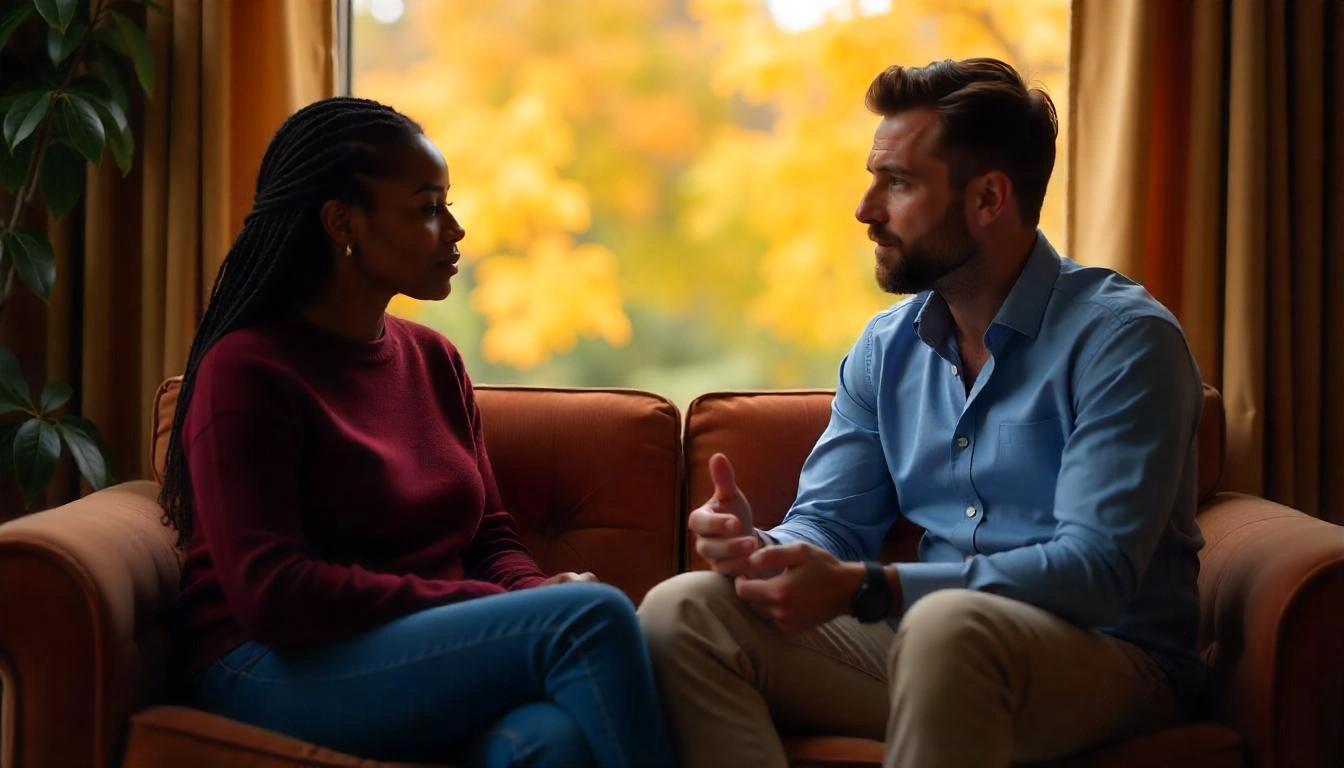
Most relationships tend to go through a rough patch at some point in time. During the first few months, it might be difficult to recognise issues within any healthy relationship since the couple have just started to know each other. Hence, our incompatible core beliefs are less likely to manifest into fights during the exploration part of the relationship. However, after a few years, our most subtle habits which seemed normal until now start to cause trouble within the relationship. As the couple starts to live together and figure out the less interesting parts of their lives such as finances, household chores, bills etc they tend to identify perceived flaws in each other’s way of working and looking at the world. If these smaller discomforts are not attended to, it can turn into massive fights and reasons for disconnect in a relationship. Therefore some couples choose to take part in couples therapy in order to prevent or repair their relationships and fix certain dysfunctional patterns of thinking and communicating that haven’t been working for them. When a couple chooses to engage in couples therapy, these are some of the exercises they are recommended to practice-
Types of activities
1. Active listening exercises
While active listening as a technique might seem basic and cliche, its importance cannot be stressed upon enough. We often think that such a simple technique such as listening to your partner intently without speaking is straightforward and easy, but we often fail to implement it and that is what turns smaller issues into bigger fights. The core problem is that we tend to have an excessive need to prove ourselves right and communicate our opinions about the other person’s behaviour without having the patience to allow them to finish their statements. This leads to a toxic back and forth where no one understands what the other person is saying leading to further misunderstandings and feeling of being unheard. Instead, active listening exercises allow the couple to set a timer for 3-5 mins where only one individual at a time is allowed to speak and during that time, the other individual is advised not to interrupt. Practising this can lead to each of them fully understanding what the other person feels and thinks like without making assumptions about each other. This exercise promotes empathy and avoids miscommunications.
2. “ I feel…. When…” exercise
I’m sure many of us have either experienced or seen couples assign labels to their feelings without specifying the behaviour of the partner with which they have a problem. For example, imagine an individual saying “ I feel suffocated in this relationship”. This is an extreme sentence which isn’t telling us why the individual feels that way. On the other hand, consider this statement, “ I feel suffocated when you keep asking me where I am every hour of the day”. This is a much more specific sentence which doesn’t label the entire relationship as suffocating, instead mentions a particular behaviour, which if stopped can make the person feel a lot better. Our tendency to simplify things and make conclusions about a person as a whole may lead to intensity fights. Hence, using specific statements by following the “ I feel … when…” format serves a great purpose when a couple wants to say how they feel but also want to prevent issues from escalating.
3. The sandwich method
At times, when we ask our partner for a favour, we end up communicating it in a way that isn’t taken well by them. A request or an ask for help might land up as demanding or ordering to the other person. This might lead to what we call as reactance which occurs when one feels like their freedom of choice has been curtailed and they become hesitant to do something especially when someone has told them to do it. Hence, in order to prevent reactance, we should present our request in the middle of two positive statements where we appreciate our partner for what they did. For example, the sandwich method could look like- “ I appreciate you helping me out with my finances yesterday. Could you please help me shop for groceries today? I really am thankful for all that you have been doing for me”. This leaves the partner feel acknowledged for their efforts and at the same time communicates a need for help in a gentle way.
4. Behaviour change request exercise
Most fights start because couples assume that their partner should guess why they’re upset and work on their behaviour without telling each other what’s not working. This guessing game leaves both of them dissatisfied when their partner is unable to meet their expectations or improve. The problem is that we only express our dissatisfaction in the form of generalized statements or communicate that we’re feeling hurt, without focusing on the why. If you have ever found yourself stuck in this rut where you expect things from your partner without communicating them and get disappointed when they aren’t accomplished, try asking for specific behaviour change. Asking for what you expect to be changed is necessary, because life would be much easier if we could read each other’s mind, unfortunately we can’t:)
5. Memory lane mapping
Simply preventing fights through communication exercises is not enough. A couple needs to maintain and cherish the physical and emotional intimacy with each other. Enriching the relationship hence remains a major goal in couples therapy. One of the exercises that can be used to do that is memory lane mapping where both the partners start by drawing a timeline or a path on a piece of paper. This is followed by marking significant moments that have defined your relationship, like your first date, a memorable vacation, or a challenging time you overcame together. Lastly, discuss your thoughts and feelings about each point as that helps in highlighting the depth of your shared history
Conclusion
As you might have seen, couples therapy is not easy. It involves hard, deep and vulnerable work by both the partners and should only be taken into picture if both the partners are equally into it. The only thing that matters before starting couples therapy is the couple’s willingness to work and improve upon themselves. Both of them should be willing to accept mistakes, change and uncomfortable moments that might come along the way. It’s important to know that couples therapy does take time but it surely works if both the partners are committed to each other and the relationship.