
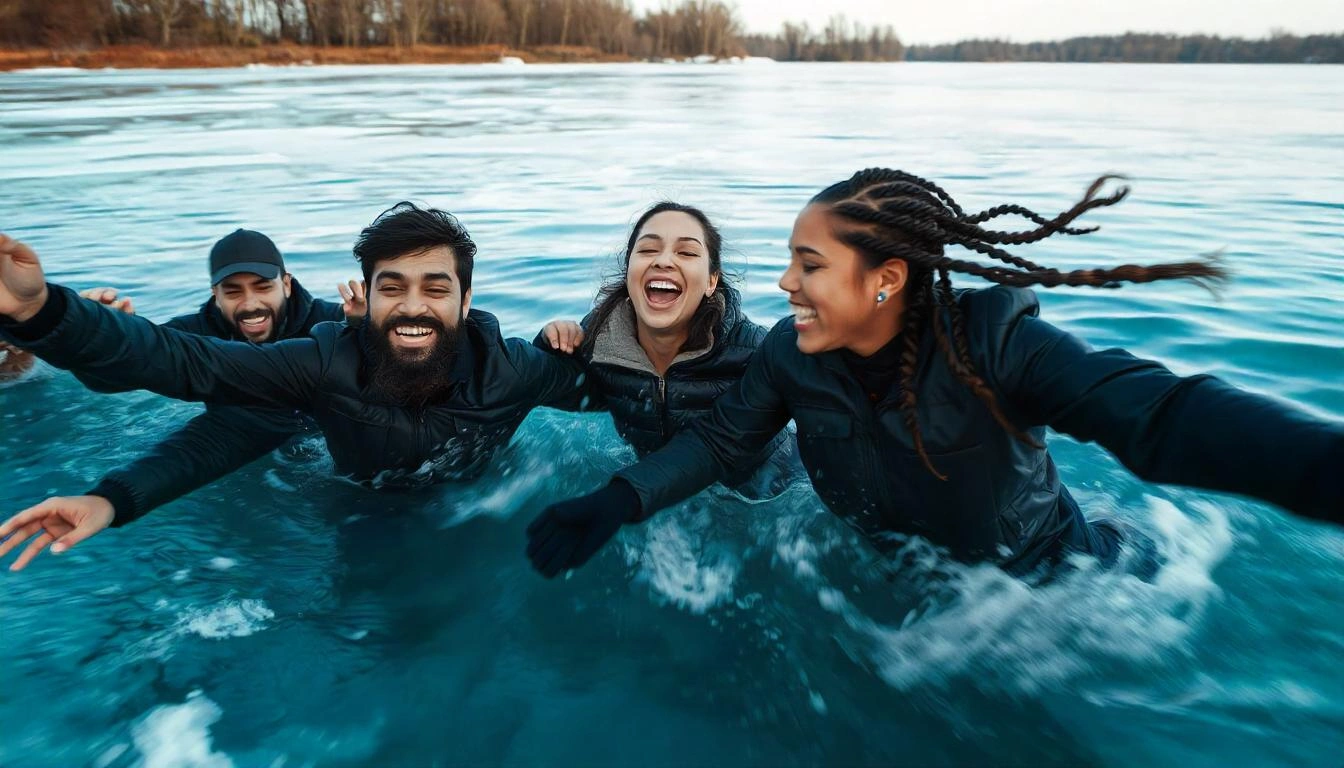
Cold plunges, also known as cold water immersion (CWI) or ice baths, have become extremely popular in recent years as a health and rehabilitation therapy. Athletes, biohackers, and wellness aficionados rave about the possible advantages, which include increased circulation, decreased inflammation, stress alleviation, and even greater mental clarity. Despite their rising popularity, one key issue remains: Do cold plunges work for everyone?
Benefits of Cold Plunging
In addition to being a hot fitness fad, cold plunging has become a potent tool for improving both physical and emotional health. The physiological reaction to cold exposure is what drives the potential benefits of cold plunges, which involve submerging the body in cold water for a brief period of time, usually 5 to 10 minutes, usually between 50°F and 59°F (10°C to 15°C). Vasoconstriction occurs when the body enters cold water, where blood vessels narrow to preserve core body temperature, rerouting blood flow to vital organs and stimulating the release of endorphins and norepinephrine, which are linked to mood elevation and a decreased perception of pain. Here are several reasons why diving into freezing waters could be one of the finest choices for your health, from accelerating healing to enhancing mental toughness.
1. Increases Dopamine Levels and Improves Mood
The effect of cold plunging on dopamine production is among its most intriguing advantages. Dopamine levels might rise by as much as 250% when exposed to cold water, according to studies. The neurotransmitter dopamine is in charge of motivation, attention, and pleasurable emotions. Cold dipping offers a prolonged release of dopamine, which improves mood, lowers stress, and increases brain clarity, in contrast to the transient surges caused by social media or sugary meals.
2. Enhances Energy and Reduces Fatigue
The hormone norepinephrine, which boosts energy and alertness, is released while submerged in cold water. This explains why many individuals experience an instant boost following a frigid dive. It is an excellent tool for battling burnout and mental depletion since it also lessens fatigue and aids in nervous system regulation.
3. Strengthens Mental Resilience
Frequent exposure to cold makes you accept suffering, which gradually strengthens your mental fortitude. Cold plunging is a common technique used by athletes and high achievers to improve their stress-coping skills. You may train your mind to remain composed in difficult situations in everyday life by practicing breathing control and maintaining your composure in frigid water.
4. Reduces Inflammation and Speeds Up Recovery
Athletes frequently employ cold plunging to aid with muscle rehabilitation. Immersion in cold water causes blood vessels to contract, which lowers inflammation and removes waste products from the body. Blood flow improves as soon as you get out of the water, giving exhausted muscles oxygen and nutrients, hastening recovery, and lessening discomfort.
5. Supports Immune Function
Increased synthesis of white blood cells, which fortifies the immune system, has been associated with exposure to cold water. Better health generally, fewer colds, and quicker recovery from diseases are all results of a stronger immune response.
6. Improves Circulation and Heart Health
Your circulatory system gets a workout from the quick dilatation and contraction of blood vessels that occurs during cold exposure. This eventually decreases blood pressure, strengthens the heart, and improves cardiovascular function.
7. Enhances Focus and Cognitive Function
The vagus nerve, which controls the parasympathetic nervous system and encourages relaxation and mental clarity, is activated by cold plunging. Your brain performance is also enhanced by the increased oxygen intake and better blood circulation, which keeps you alert and focused all day.
Who Benefits Most from Cold Plunges?
- Fitness enthusiasts and athletes: Cold plunges have long been utilised by athletes as a recuperation technique. Immersion in cold water helps alleviate muscular tiredness, oedema, and inflammation, which makes it a useful post-workout technique for high-intensity sports. By lowering lactic acid accumulation, ice plunges may hasten recovery, especially for endurance athletes.
- People with Prolonged Inflammation: Numerous illnesses, including autoimmune diseases, metabolic syndrome, and arthritis, are linked to chronic inflammation. Cold plunges can help control inflammation by lowering the synthesis of pro-inflammatory cytokines, although they are not a cure.
- For those looking for mental health benefits: According to new study, exposure to cold can increase mental resilience by strengthening the body's capacity to withstand stress. Some research even suggests that submersion in cold water might lessen anxiety and depressive symptoms, perhaps due to elevated serotonin and dopamine levels.
- Wellness Seekers and Biohackers: Cold plunges offer a special challenge for anyone who wants to test their limits mentally and physically. The practice is frequently combined with mindfulness and breathwork to help people build resilience and mental toughness.
Limitations and Risks of Cold Plunges
Despite their many advantages, cold plunges are not a universally applicable option. They could be less successful or even detrimental to some populations.
- Individuals with Heart Disease: The heart is under a lot of stress when exposed to cold because of the abrupt vasoconstriction and elevated blood pressure. Before doing cold plunges, anyone with cardiac diseases, hypertension, or a history of cardiovascular problems should speak with a healthcare professional.
- People with Raynaud's syndrome or cold sensitivity: Extreme cold sensitivity is a symptom of Raynaud's syndrome, which can make frigid plunges unpleasant and even dangerous. Immersion in cold water can induce excruciating episodes or, in severe situations, frostbite for these people.
- Individuals that are pregnant: Cold immersion may not be the best option for pregnant women due to the stress it places on the body, even if there is little study on the topic. In this situation, you should always see a doctor before attempting cold plunges.
- People Who Get Nervous Near Cold Water: Cold immersion can make some people feel more anxious rather than less. The cold water shock might exacerbate tension or discomfort by inciting a fight-or-flight reaction.
Factors That Influence Effectiveness
- Time and Frequency: The frequency and duration of cold plunges might affect their efficacy. The strongest outcomes tend to come from short, frequent sessions, although going beyond might cause hypothermia or undue stress on the body.
- Tolerance for Temperature: Individual differences in cold tolerance are significant. What one person finds pleasant could be intolerable to another. For novices, gradual exposure is frequently advised to aid in the body's adaptation to the cold.
- Particular Medical Conditions: The way the body reacts to cold exposure might be influenced by pre-existing medical illnesses, such as thyroid abnormalities or autoimmune disorders. For instance, extended exposure to cold can exacerbate hypothyroidism since the body's capacity to regulate its temperature is diminished.
- Mental Readiness: Many advocates of cold plunges stress the significance of breathing exercises and mental preparation. The first chilly shock can be lessened and a more pleasant experience can be encouraged with controlled breathing.
Alternatives to Cold Plunges
There are other ways to get the same results for people who don't like or think frigid plunges are appropriate:
- Contrast Treatment: Without the excruciating pain of a full cold plunge, switching between hot and cold water, as in a sauna or shower, can increase circulation and lower inflammation.
- Cryotherapy: Whole-body cryotherapy entails briefly exposing the body to very cold air. Compared to a cold plunge, it is less intrusive and could be more tolerable for certain people.
- Active Recuperation: Active healing techniques, such as foam rolling, moderate stretching, or low-intensity exercise, can help athletes recover from injuries and lessen pain.
- Breathwork and meditation: Though they may be used alone to reduce stress and promote mental clarity, cold plunges are frequently used with mindfulness exercises.
How to Start Cold Plunging?
Start out slowly if cold plunging is new to you:
- Before switching to ice baths, start with cold showers.
- Increase the length gradually, starting with shorter ones (30 seconds to 2 minutes).
- To control pain, concentrate on breathing in a regulated manner.
- If you have heart problems or other underlying health issues, you should always see a doctor.