Frequently Asked Questions
Try Free Chat
Online

Hi 👋 How can I help?


Chronic pain, defined as discomfort that lasts more than three months, affects millions of people worldwide. It can result from a variety of reasons, including injury, sickness, or unknown sources, and it frequently lasts long after the primary injury or illness has healed. While chronic pain is well-known for its physical effects on the body, its impact on mental health and v ice versa is as significant yet sometimes disregarded. There is a complicated and sometimes hidden relationship between chronic pain and mental health concerns such as trauma, depression, anxiety, and stress. In addition to depression, anxiety, and substance use disorders, individuals with chronic pain are at risk of other mental health problems including suicide and cigarette smoking and many have sustained sexual violence. Chronic pain and mental health disorders are common in the general population, and epidemiological studies suggest that a bidirectional relationship exists between these 2 conditions. The observations from functional imaging studies suggest that this bidirectional relationship is due in part to shared neural mechanisms (Hooten, 2016).
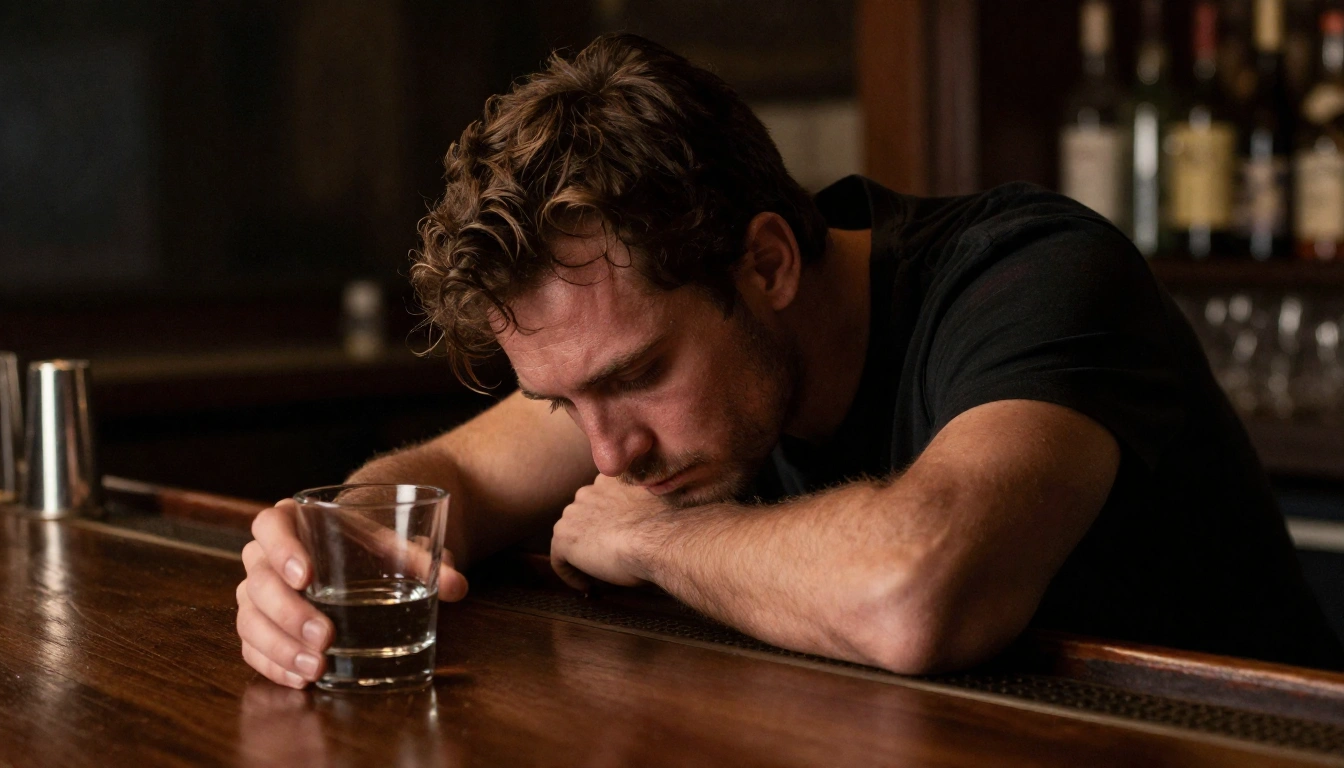
As with fibromyalgia or other chronic conditions, chronic pain frequently has a significant impact on a person's life. It's about the repercussions on one's mental health, relationships, money, and sense of self, not simply the physical symptoms. The road sometimes involves feelings of being shattered, misinterpreted, and utterly alone. Everyday living might feel like a struggle while dealing with a chronic condition. It is challenging to operate normally because to the intermittent \"good\" and \"bad\" days, mental fog, and ongoing fatigue. Even family members find it difficult to understand, viewing times of inactivity or relaxation as signs of sloth. When there are no outward symptoms of sickness, this misconception is frequently made worse, making the person feel alone and dismissed. Chronic pain can have a very negative emotional impact. Hopelessness and sadness can result from a sense of loss—of one's physical capabilities, independence, and purpose. When support systems fail and employment becomes impossible, financial instability exacerbates the stress. Having to rely on people who might not understand you might make you feel even more powerless.
Chronic pain and mental health have a bidirectional link, which means that chronic pain can cause mental health issues and that mental health disorders can increase pain. Here's how these two interact:
People frequently find it difficult to explain and much harder to understand the reality of chronic pain. After all, how can you really comprehend what it's like until you have gone through it yourself? However, the reality is that chronic pain may impact many facets of your life. Both your identity and your relationships with loved ones may be impacted. It can alter how you approach your career and the enjoyable pastimes you engage in. It's critical to comprehend chronic pain and the possible consequences it may have on the person who experiences it. Our ability to assist our loved ones in their hardships will improve if we are more aware of the harm that chronic pain can do. People with chronic pain have to change many parts of their lives on a daily basis due to their condition. They might need to adjust how they sleep or sit. They might need to take frequent rests when walking or standing for extended amounts of time. To make tasks doable, even something as basic as preparing dinner for loved ones may need to be changed. Persistent pain may affect a person in various ways. Tragically, the majority are unpleasant. The following are some experiences that persons with chronic pain may experience:
Conversely, mental health conditions like anxiety and depression can also make chronic pain worse. The body's capacity to manage pain can be hampered by psychological distress, which can intensify pain perception.
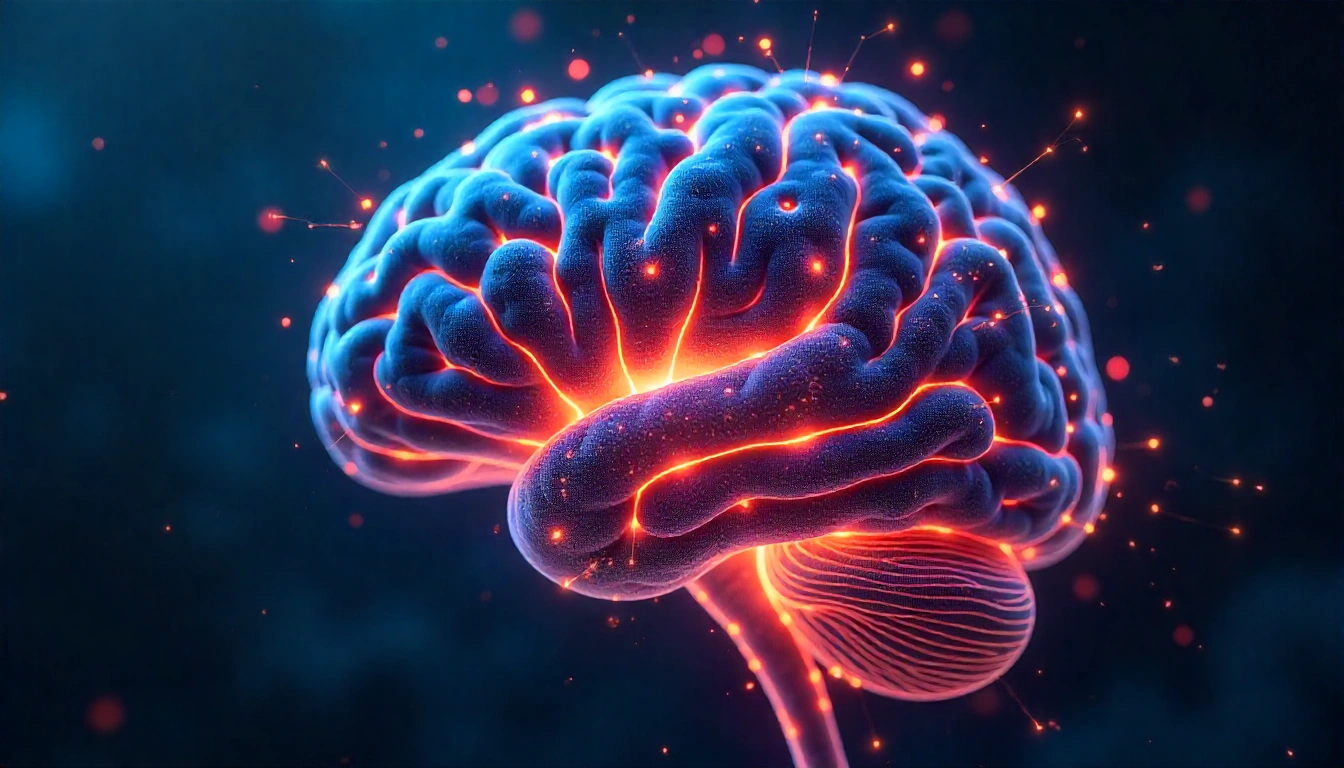
Trauma has been shown to play a significant role in chronic pain development, often affecting the nervous system in profound ways. The trauma-informed approach to chronic pain involves understanding the interplay between the brain, body, and past trauma.
Trauma has a profound impact on the autonomic nervous system, often leading to significant imbalances.
Chronic trauma might unduly trigger the body's fight-or-flight response. This constant level of attention causes continuing stress and tension, which can eventually emerge as physical pain and other stress-related symptoms.
In severe circumstances, the nervous system may experience a dorsal vagal shutdown. This reaction is distinguished by weariness, increased pain sensitivity, and symptoms resembling chronic fatigue syndrome. The body conserves energy primarily as a defensive strategy, which can have a significant influence on a person's physical and mental well-being.
Managing chronic pain often requires a multifaceted approach. While there is no definitive cure, many individuals find relief through a combination of therapies and interventions tailored to their specific needs.
People living with chronic pain often explore a range of non-medical remedies. While not universally effective, these methods may offer some relief:
Professional medical measures are essential when self-care is not enough. These might consist of:
Many people discover that creating a regular daily schedule helps them control their symptoms. These might consist of:
Both the body and the psyche are impacted by chronic pain. The need for an eclectic approach to therapy is underscored by the obscure connection between mental health issues and chronic pain. Healthcare professionals may create more individualised, effective care plans for patients with chronic pain by acknowledging the close relationship between pain and mental health. Chronic pain is more than a physical ailment—it’s a whole-person challenge. Creating a world where those affected feel validated, supported, and empowered to prioritize their well-being is vital. Living with chronic pain is a testament to the human spirit's ability to endure, adapt, and grow. For those on this journey, the message is clear: you are not alone, and your struggles are valid.