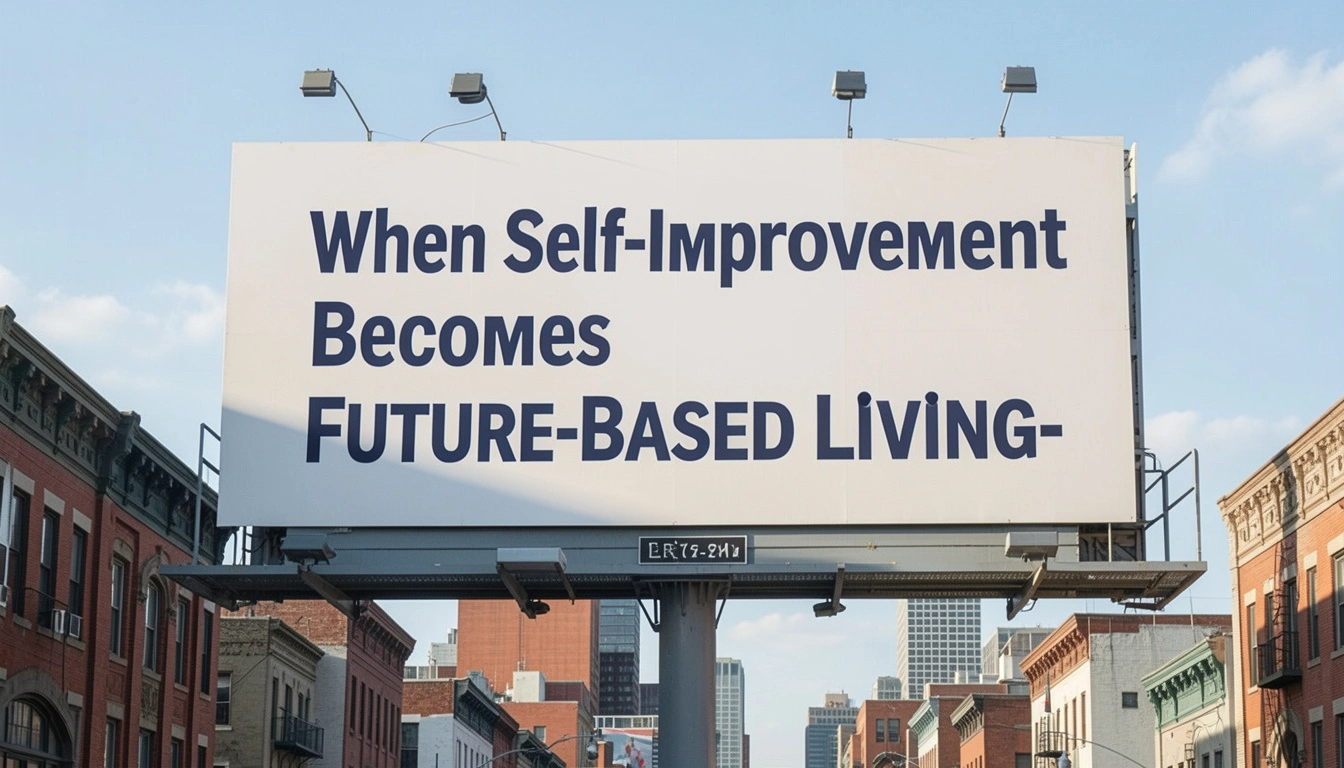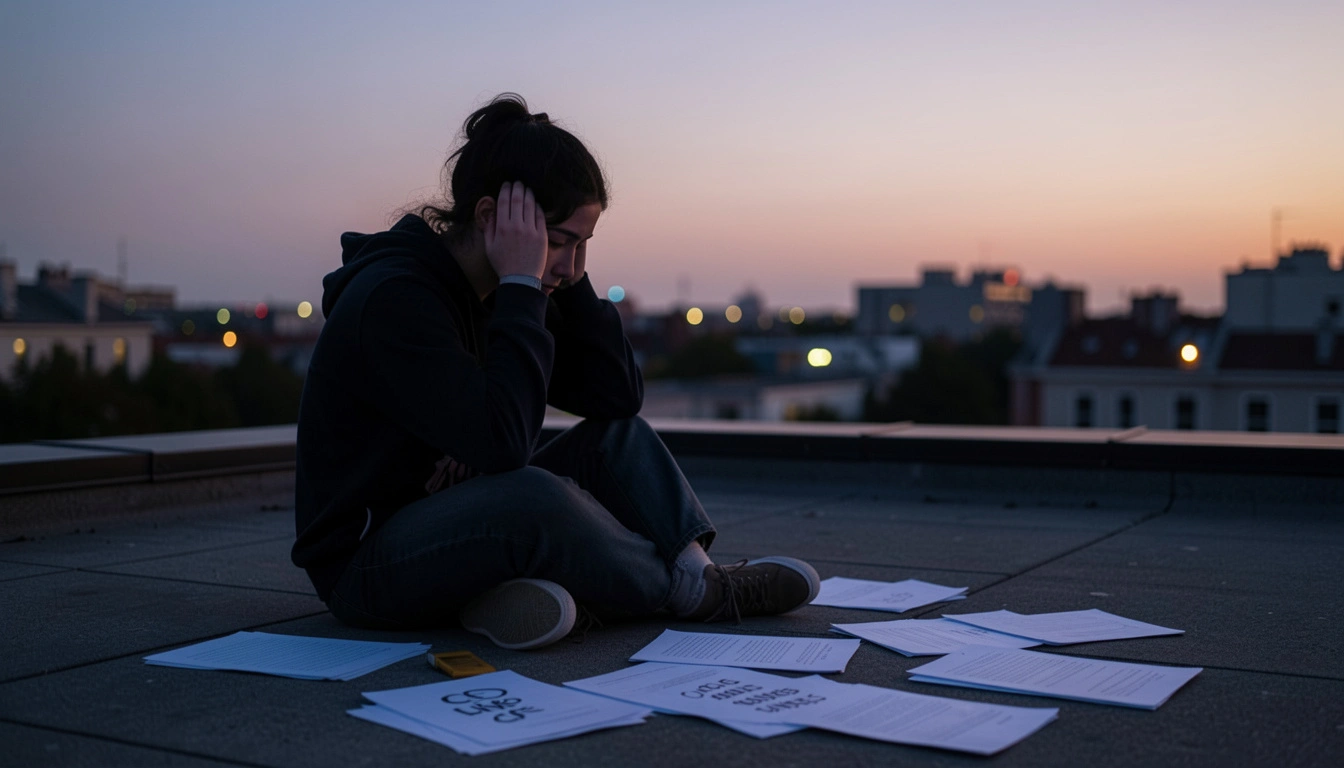

Burnout has recently become a silent epidemic, especially among high-functioning, ambitious individuals who don't even realize they’re experiencing it until it kicks them. It’s more than just being tired; burnout is a state of physical, emotional, and mental exhaustion caused by prolonged stress and a chronic mismatch between what you give and receive, both at work and in personal life. Burnout is operationalized as a concept that includes emotional exhaustion, reduced personal accomplishment, and depersonalisation. Emotional exhaustion accounts for the feelings of emotional and compassion fatigue, overwhelmed, frustration and a near-give-up. Reduced personal accomplishment means you doubt your capabilities based on what you accomplish. It means there is an absence of personal achievement, as well as of technical competence. Lastly, depersonalisation refers to the feelings of emotional dissatisfaction, dehumanisation, and indifference toward others.
Burnout vs. Stress: Why They’re Not the Same
While stress is about too many tasks, demands, and pressure, burnout is about not enough. energy, motivation, and meaning. Stress can feel overwhelming, but it often comes with urgency and adrenaline. Burnout, on the other hand, feels empty. The tank is not just low; it’s dry, drained, and exhausted. And perhaps the most dangerous part is that burnout can disguise itself as laziness or a personal failure.
The Emotional Fog
One specific sign of burnout that's often overlooked is emotional blunting, i.e., feeling emotionally flat or numb. While stress often triggers visible frustration or anxiety, burnout brings a muted, almost indifferent state. People stop caring not because they are apathetic by nature, but because their system has been emotionally overdrawn for too long. This is particularly common among caregivers, therapists, teachers, and those in helping professions- what is often termed “compassion fatigue.”
The Cognitive Cost
Cognitive functioning often declines subtly during burnout. You might find yourself rereading the same sentence multiple times, making careless errors, or struggling to recall simple things. It’s not about intelligence, but it’s about depleted working memory and constant low-grade decision fatigue. Research in occupational psychology has shown that chronic exposure to stress hormones like cortisol impairs the hippocampus, the brain region responsible for learning and memory. Over time, even small decisions like what to eat or which message to respond to first can feel mentally exhausting.
Productivity Guilt of “Not Doing Enough”
Burnout may result in feelings of even rest as unproductive. People experiencing burnout often feel guilty when they’re not working or achieving. This is not just due to internal standards but also a culture that equates worth with output. This is especially prominent in people with high-functioning anxiety or perfectionistic tendencies, where slowing down can trigger a fear of becoming irrelevant or lazy. Ironically, this guilt leads to more self-criticism, further draining the already empty emotional reservoir. You find yourself caught up in never-ending loop.
Somatic Symptoms
Burnout doesn’t only show up emotionally, it’s deeply somatic. Our mind and body are considered to be connected; what we think stays in our body, and what we do is stored in our mind. Frequent headaches, muscle tension, digestive issues, or even frequent colds can be your body’s way of saying, “I can’t keep up.” These symptoms are often medicalized in isolation, but when seen in context with emotional depletion, they tell a much deeper story. Burnout isn’t just in your mind, it lives in your body.
Recovery is Identity Work
Healing from burnout isn’t as simple as taking a weekend off or going on vacation. Those may offer temporary relief, but burnout returns without addressing the underlying mindset and systemic patterns. Recovery often involves examining your relationship with productivity, boundaries, rest, and self-worth. For many, this is deeply uncomfortable because it requires redefining success, accepting limitations, and confronting long-held beliefs about value and identity. Therefore, being self-compassionate may be a good first step towards one’s growth and recovery from burnout. Studies have shown that a compassionate and kind attitude towards oneself can make one feel good and accepted towards their flaws, decreasing their rigid perfectionistic tendencies, and ultimately reducing burnout.
Conclusion
Burnout is not a personal flaw, it’s often a rational response to unsustainable systems, both external and internal. Whether it stems from workplace pressure, caregiving roles, or internalized expectations, the first step to healing is awareness. And the second is permission, permission to rest, to say no, to unlearn hyper-productivity, to be self-compassionate, and to build a life that is rooted not just in doing, but in being. Burnout recovery isn’t a return to the old self, it’s a transformation into someone who knows how to protect their energy, not just spend it.