
Introduction
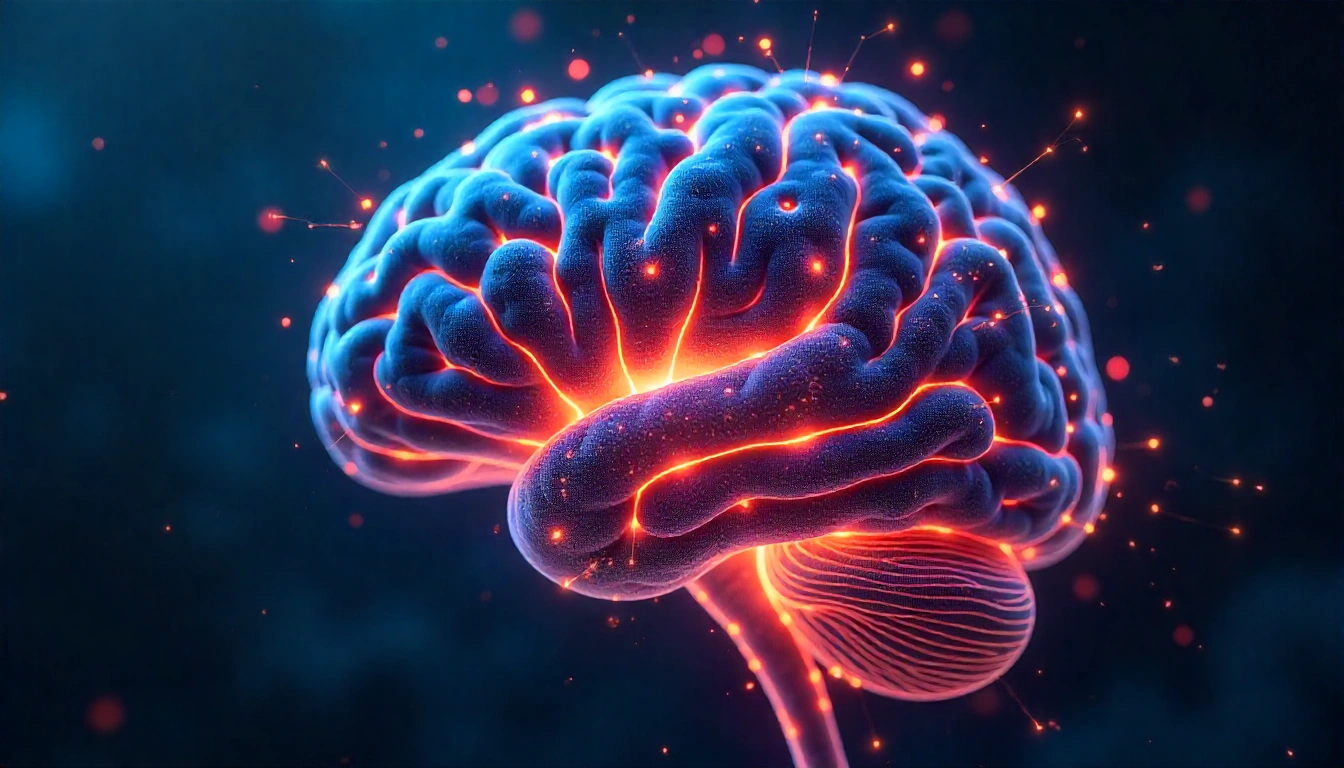
In the past few days, we have come across several memes, videos, posts and reels about a term called “Brain Rot”. Oxford University Press (OUP) has announced 'brain rot' as the Oxford Word of the Year for 2024. But what exactly is brain rot? According to the Newport Institute, Brainrot refers to “a condition of mental fogginess, lethargy, reduced attention span, and cognitive decline that results from an overabundance of screen time”. Brain rot is a recent slang that has come into picture following a transition era from long to short form content which is purely entertainment based. This term is often used in association with modern habits such as overconsumption of social media with no intellectual value, constant exposure to low-quality content or even multitasking. Although the term sounds harmless, there have been far reaching consequences of brain rot especially to adult’s mental health. Hence, exploring the entirety of what is brain rot, what are the causes and the consequences of brain rot is extremely important in today’s digitally stimulated world.
What causes brain rot?
Before we delve deeper into the trajectory of brain rot, let us make an attempt to understand what factors lead to causing brain rot. Excessive usage of technology leads to brain degeneration. That might involve binge-watching YouTube videos, surfing around social media, or toggling between computer tabs. In addition, you may be surfing the Internet, texting, and checking your email all at the same time. The final effect is that you're overstimulating your brain. And overexposure to digital material puts you at danger of brain degeneration. Scrolling through social media sites stimulates the neurochemical dopamine, resulting in emotions of contentment and pleasure. The more you do it, the more motivated you get. Even if you are aware of the negative repercussions of scrolling, your brain links it with a sense of satisfaction. In this approach, scrolling can develop into a behavioral addiction. As you keep getting dopamine when you’re scrolling through content, after a point, the same amount of content won’t be enough for you to gain pleasure, and hence you might subconsciously seek more pleasure by spending more time on social media than you even realise. This mechanism is true for almost all the addictions out there and has now become widespread even for screen addiction. Some of you might wonder that social media can even be used for learning. Yes, you’re absolutely right. And in that case, the chances of brain rot are reduced. However, in recent times, we are used to engaging with social media content a lot more than before, until we reach the point of saturation. One of the articles by Emilie Owens suggests that brain rot is actually a term used by teenagers which refers to the low quality content they engage in, to balance out the vastness of their digital lives. Moreover, according to the article, brain rot is just one of the ways in which teenagers get to turn off their brains for a little while and escape from their uncertain and anxious realities Some of the other factors that lead to the causation of brain rot might be chronic stress, mental fatigue, digital escapism, poor lifestyle choices and lack of engagement in cognitive activities.
Effects of brain rot
Many people joke about getting brain rot because of how funny the word sounds and how usual it is to spend your nights doomscrolling and surfing the internet for much too long. In actuality, brain rot may have a number of severe consequences for our mental and emotional health.
Impaired memory:
You may have difficulty remembering names, dates, or recent occurrences. This can have an impact on your academic achievement, professional productivity, and personal life.
Reduced problem-solving ability and attention span:
It may be more difficult to concentrate on tasks that involve prolonged mental effort, such as learning or working on a project. Your intellectual and problem-solving talents may also be impacted.
Increased mental fatigue:
Constant exposure to low-quality information might leave you feeling exhausted, overworked, and unmotivated. This may result in a loop in which you avoid mental stimulation, leading to greater degeneration.
Emotional and psychological effects:
A reduction in cognitive ability may result in emotions of frustration, which can reduce your mood and self-esteem. You may also notice that doomscrolling, in particular, has a detrimental impact on your emotional and mental health.
Social consequences:
Forgetfulness and diminished cognitive ability can strain relationships, resulting in misunderstandings and confrontations. As your cognitive abilities diminish, you may retreat from social activities that demand cerebral effort.
How to revive your stagnant brain?
Enough about describing what brain rot is and what harm it can do. Let us now talk about how to “brain revive” If someone has been scrolling through mindless content for a very long amount of time, brain rot can be inevitable. However, you have it in you to not let this be a chronic condition. Yes, you heard it right, brain rot is preventable and curable. So, what exactly should be done to revive your brain from rotting? We all have heard about basic techniques like using lesser screen time, making healthy lifestyle choices. Hence, let’s look at some of the realistic steps that can help you revive your brain!
1. Micro-challenges
Google a word or a concept that has really intrigued you in the past. Spend 5 minutes of your day on exploring the meaning, its history or related concepts. This might help increase your active engagement and promotes enhanced cognitive abilities.
2. Brain Play
Do simple tasks backward (e.g., brushing teeth with your non-dominant hand or taking a different route to a familiar place). It can help trigger different neurons in your brain and lead to brain activation as well as increased alertness and natural stimulation
3. Small Acts of Creativity
Draw, paint or practice a hobby that you don’t usually prefer doing. Engage in a brainstorming session about a topic you are passionate about if you aren’t into academia. Go for a 15 walk if you aren’t an outdoor person. The goal is to get out of your comfort zone for a bit and let your brain feel the uncomfort but the newness of a different activity. This helps build tolerance and patience within you
4. Engage in playful mind games
These can look like engaging in small games throughout the day like choosing a colour and maintaining a count of how many times you see that colour in a day. This helps you increase your attention span and engages your brain in ways that it hasn’t been engaged in before.
5. Engage in mindful digital use
The advent of technology and various digital apps have given rise to an innumerable amount of games, more than we can imagine. This includes games that have been our childhood favourites such as chess, crosswords and sudoku. Apart from that, there has been an emergence of apps oriented towards cognitive games specially designed for improving certain cognitive abilities such as attention, memory, coordination, visual orientation etc. Hence, making sure to engage with these games instead of mindless doom scrolling can help you revive your stagnant brain. Although it might seem difficult in the start, and the temptations to scroll might be overpowering, over time it does get easier:)
Conclusion
Overcoming brain rot does not necessitate a major revamp of your routine; little, regular improvements can revitalize your mental environment. By embracing curiosity, engaging your senses, and attempting micro-challenges, you may gradually reactivate your brain and discover delight in the smallest details. Remember that rejuvenating your mind is a process, not a sprint. Begin small, try various things, and applaud each step forward. Your brain loves novelty, creativity, and connection; offer it these things, and it will thrive once more. So, how will you challenge your brain today?