Introduction
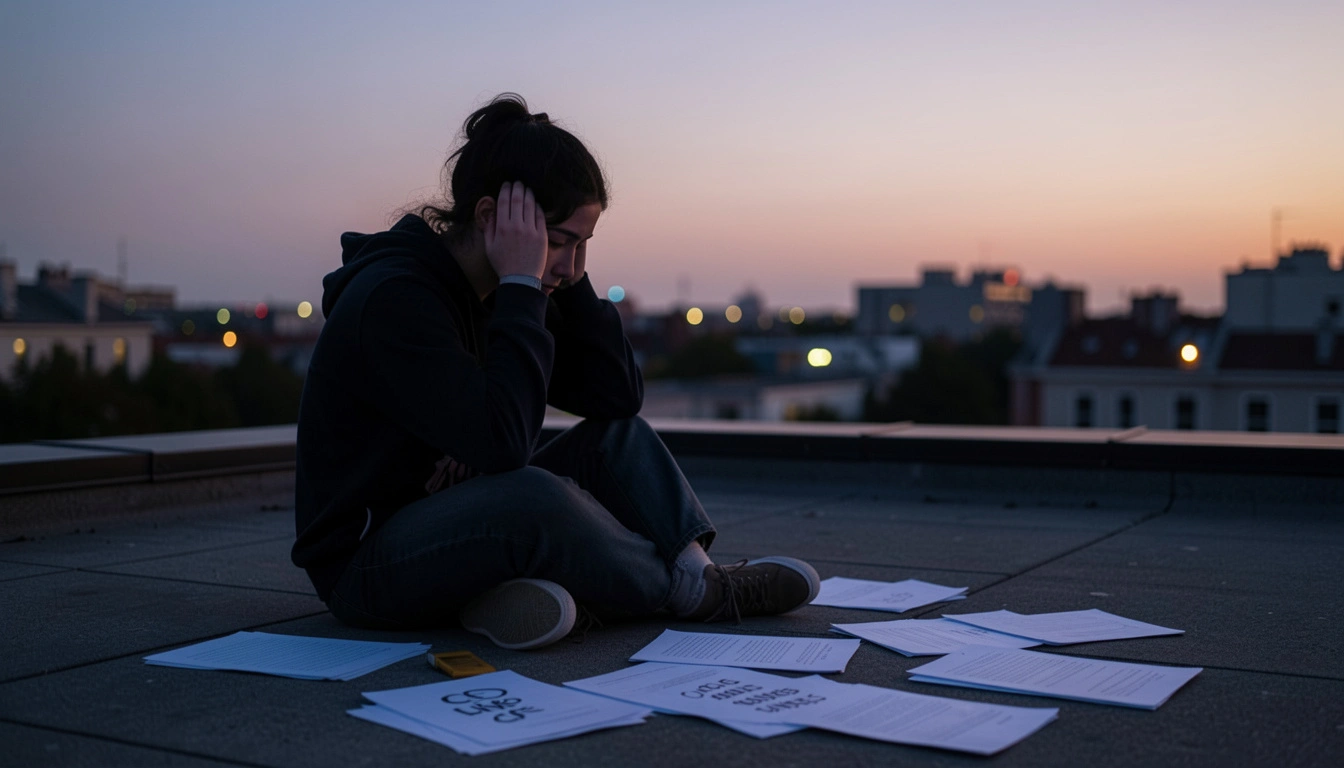
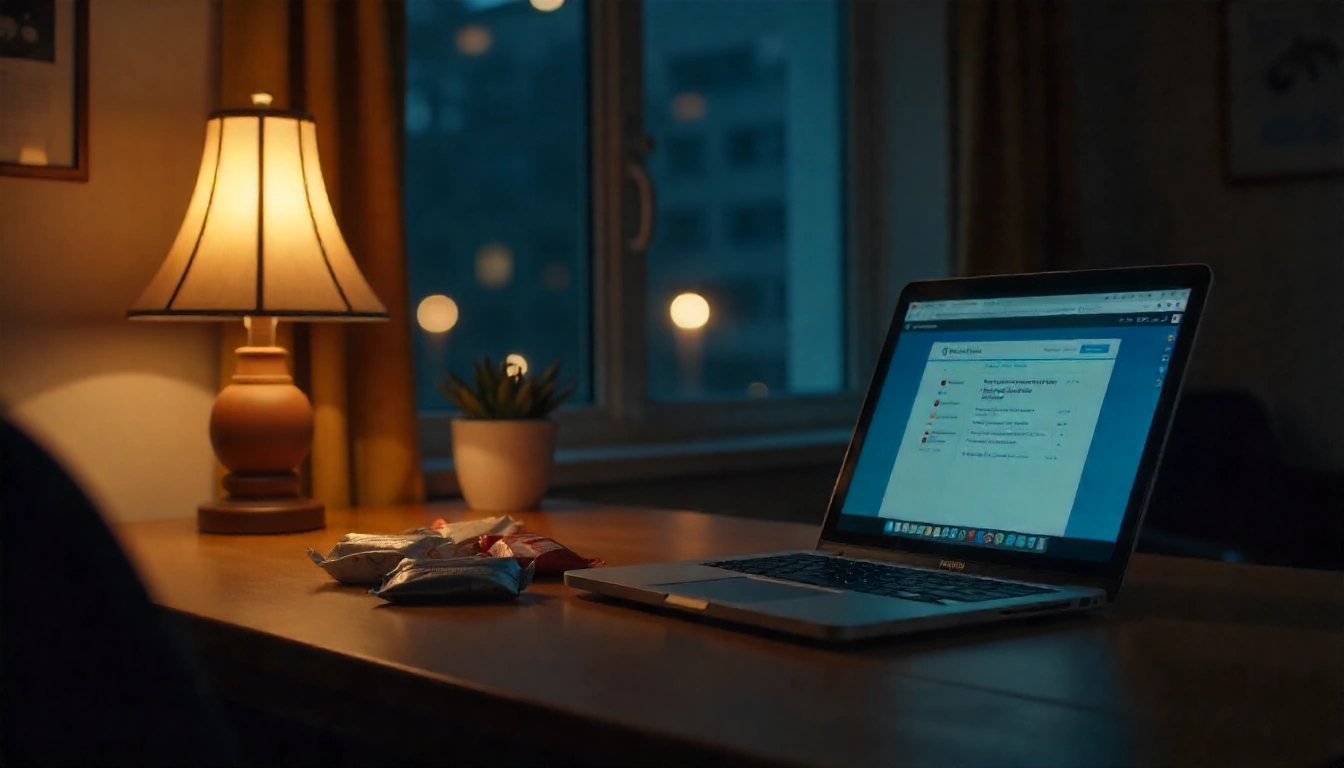
In the age of social media, wars are now not limited to their geographical barriers. The unlimited whatsapp forwards and instagram posts about war can send anyone into a spiral of confusion, uncertainty and anxiety. As a stressful response, people start impulsively stocking up on products and sharing unreliable information in order to cope with the situation. Echoes of sirens linger in our minds late at night even while we’re safe at our homes. This state of panic, confusion and stress during unstable political conditions in our country is known as war anxiety. War anxiety is not just faced by those who are fighting in the war or their families. Instead, civilians who might be miles away might still face war anxiety especially when they consume loads of information on the most recent updates of the war. Thus, in the digital age, war is no longer an isolated geographical phenomenon, but also a cultural and psychological phenomenon that indirectly affects millions of people within or outside the affected countries.
The psychological landscape of war anxiety
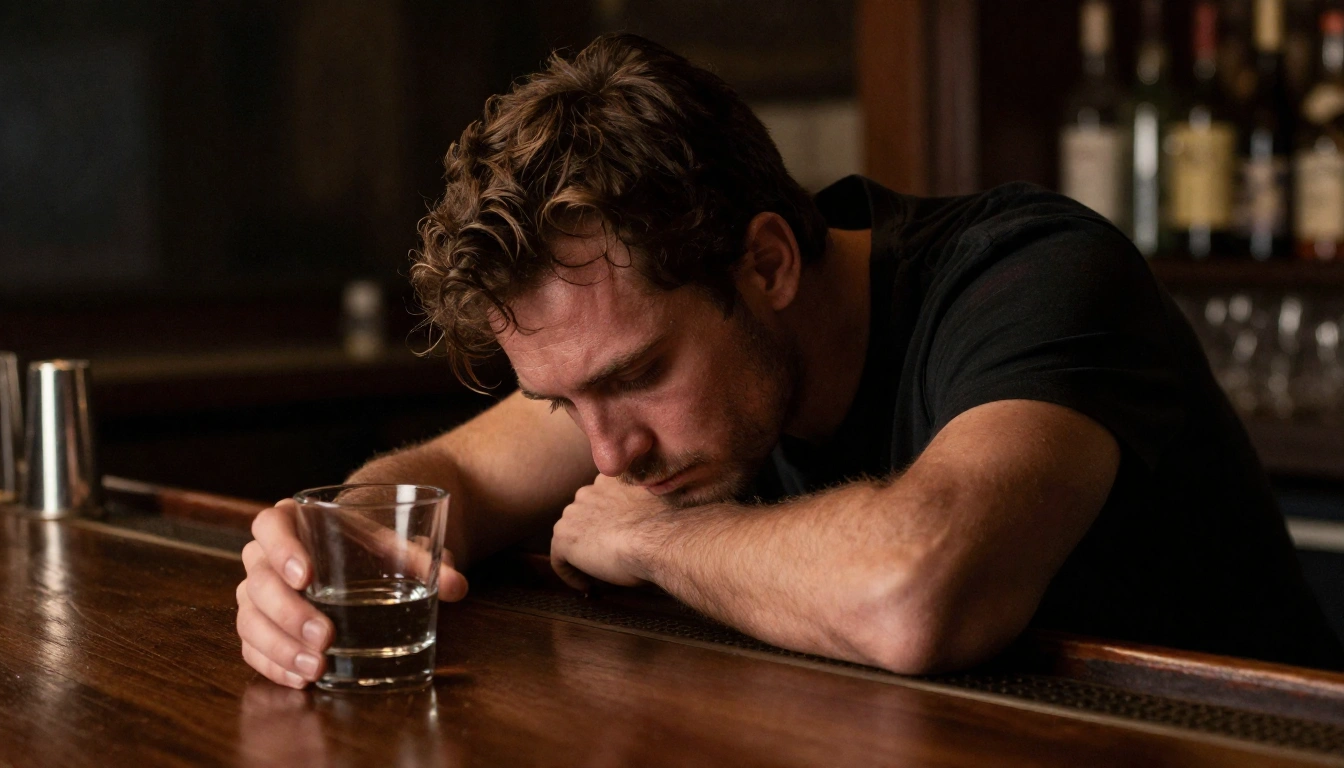
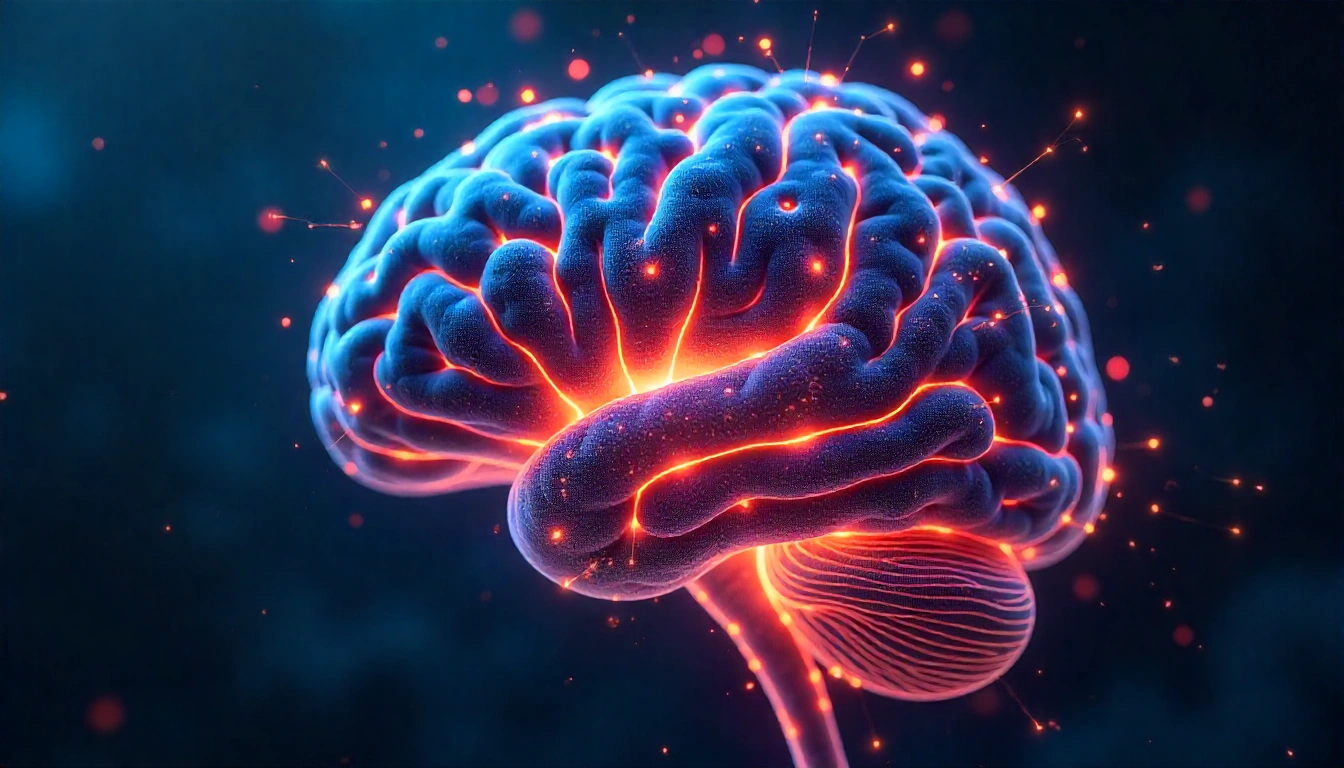
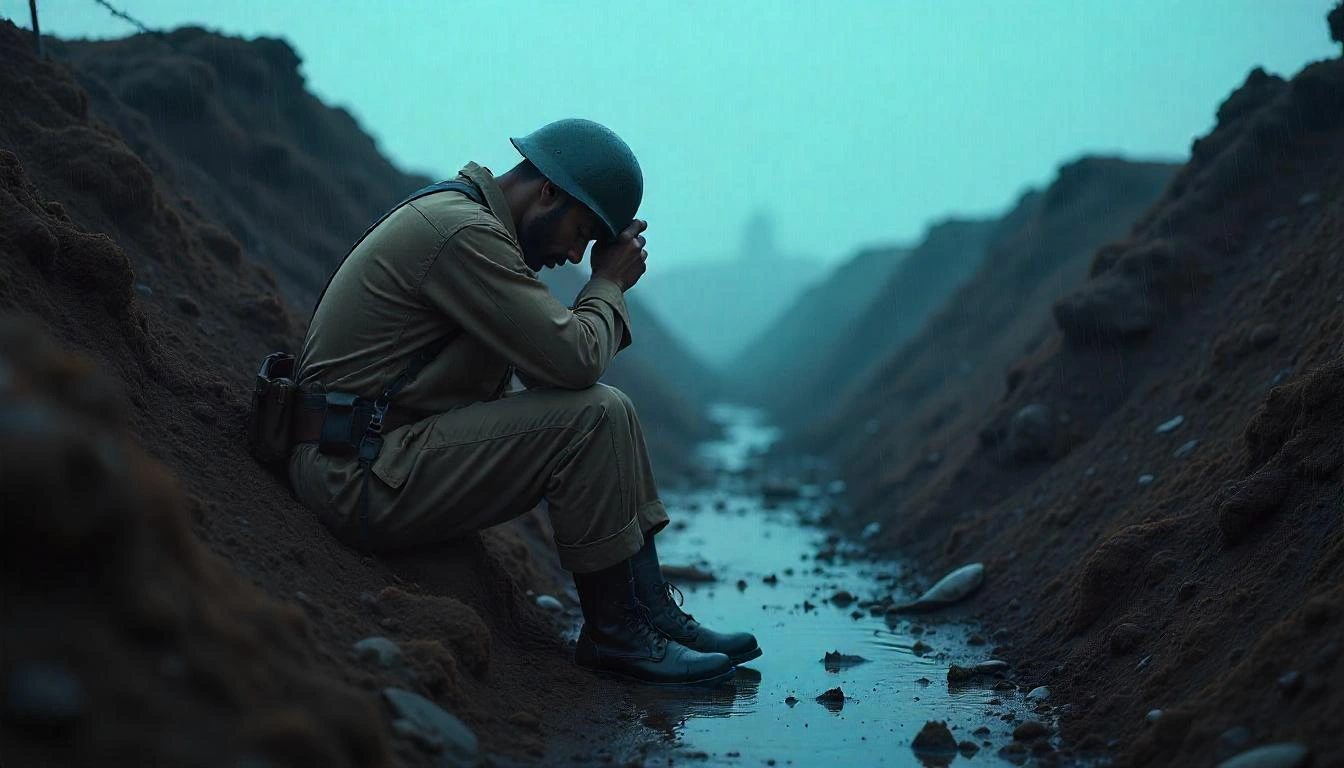
War anxiety is different from general anxiety. General anxiety is a persistent worry about something which can be known or unknown. People who have general anxiety think of the worst case scenario and worry because they think there’s a possibility of it coming true. On the other hand, war anxiety is specific and lasts as long as unstable conditions in the country prevail. In case of war anxiety, the worst case scenarios have a higher possibility of occurring in the near future. When we see news of soldiers sacrificing their lives or innocent civilians dying, we can’t help but feel a sense of survivor's guilt which stems from a place of regret over surviving while everyone else around us is suffering or dying. Families of soldiers and army particularly go through something known as anticipatory grief which refers to feelings of unease before a death of a loved one which hasn’t occurred yet but is often predicted. Some of the invisible victims are therapists, journalists and civilians who might not directly be unsafe during a war situation but are exposed to the harsh truths about war through clients, media or as a part of their job. They experience a phenomenon known as vicarious trauma which is the emotional and mental distress experienced by individuals who are exposed to the trauma of others, even without experiencing it directly. The overload of consumption via doom scrolling or constantly checking sites for recent updates as an anxiety response can also cause secondary trauma which might manifest as physical symptoms such as fatigue, sleep disturbances, headaches, stomach aches, muscle tension, and increased susceptibility to illness. The worst part is that the trauma of a lived experience, either directly or indirectly, continues for decades later and can even affect the generations that weren’t born during wars.
War Anxiety Through Sociopolitical and Philosophical Lenses
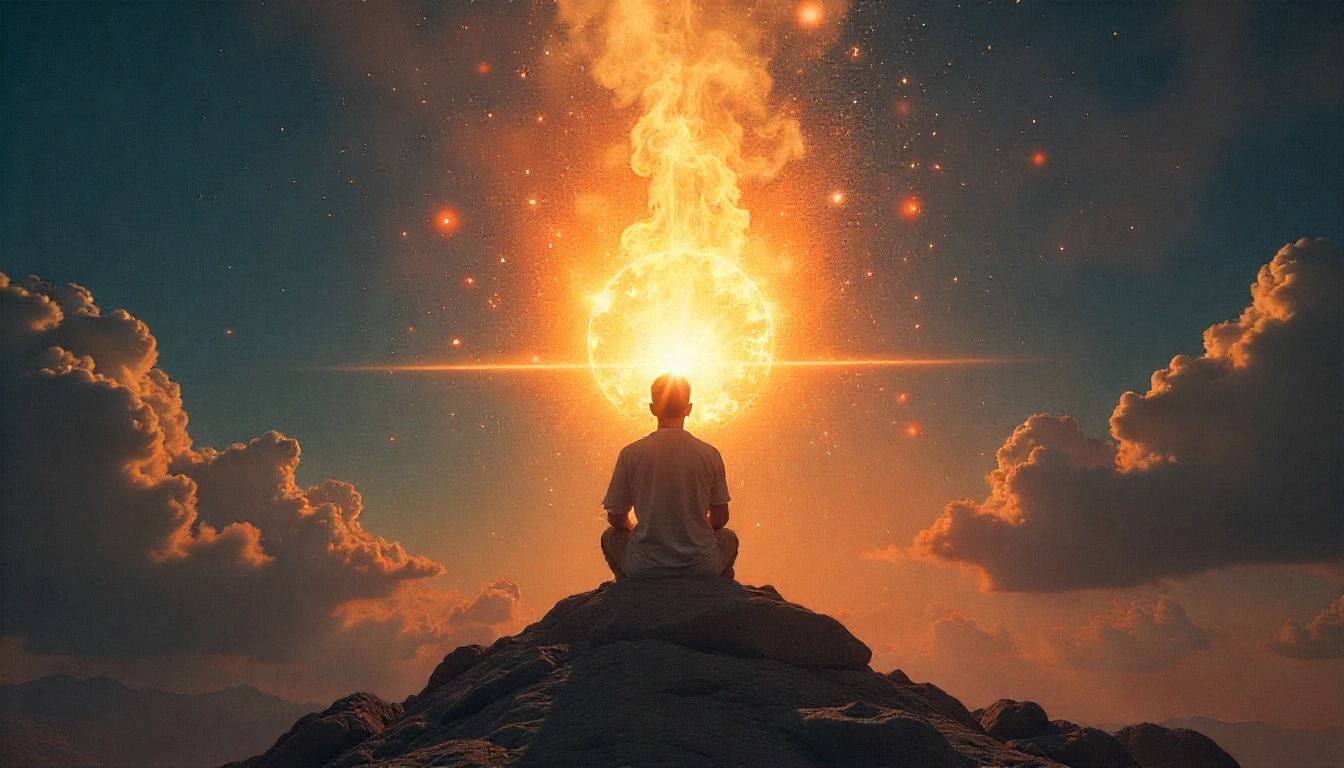
Wars in today’s age aren’t limited to the sites where active destruction takes place. Instead, feelings of restlessness creep into countries which aren’t involved in war. The grief isn’t restricted to the affected families. Feelings of collective grief persist in every human being who has been exposed to the news, because the collective grief is for a downfall of societal values such as peace and humanity. Citizens of war-torn and peaceful nations struggle with the paradox of safety in an unsafe world which is supposed to be wiser, advanced, modern and more co-operative than earlier decades. Stoicism offers one of the earliest and clearest calls to distinguish what is within our control and what is not. For the Stoics, war is an external event, a happening in the outer world—thus, outside the circle of our influence. What remains within our power, however, is our response: our thoughts, our values, our small daily acts of courage. As Epictetus said, “We suffer not from the events in our lives, but from our judgment about them.” This does not mean apathy; rather, it invites us to cultivate inner resilience and emotional discipline even amidst the chaos of war headlines and global conflict. Existentialism, on the other hand, dives headfirst into the absurdity of war and its capacity to strip life of meaning. Thinkers like Camus and Sartre saw the human condition as inherently exposed to a universe that is indifferent, and war is perhaps the most distorted reminder of this indifference. Buddhism however brings a very different lens. Buddhists see war as a suffering-led part of existence, but they also encourage people to face it directly, without clinging to fear or aversion. All three philosophical thoughts remind us that while we may not be in control of the events happening outside and that’s bad, the least we can do is be in control of our hearth inside.
How do we cope with it?
While we can’t completely eliminate anxiety about the uncertain times that lay in front of us, it’s extremely crucial to maintain a sense of centeredness within us to help us cope with the anxiety. Here are some things you can consider practising in the midst of chaos, panic and helplessness-
- Grounding techniques- Try using your body to ground your mind. Use somatic exercises as simple as holding something textured, moving your body for sometime in the form of stretching, sitting on the ground and just breathing and lastly, consider applying ice to parts of your body which feel tense
- Set a media boundary- Set a limit and time frame for consuming war news. While you need to stay alert, it’s not necessary to be updated 24/7. Consider limiting your media consumption to reliable news sources which aren’t dramatic or driving on fame
- Narrative Healing- Use storytelling, journalling or art to give your anxiety a voice. The writing, story or art doesn’t need to be perfect or done with a sense of being perfect. It should be considered as an outlet for things that can’t be expressed in terms of formal language
- Compassionate activism- While it’s important to vocalise your opinions on the internet, try doing it in a gentle manner. Check up on your friends and ask them how they’re doing. Not every conversation on war needs to be political. Simply listening to how people around you feel about the recent events and expressing how you feel can be therapeutic as well
Conclusion
While we don’t know how long the war will last, we do know that staying connected as a front and having a helping mindset makes all of our lives better. Feelings of hatred, irritation, fear, anger and guilt are natural, but they need to be expressed or let out in a healthy way. War anxiety is deeply human, and while we may not stop wars, we can build inner fortresses of peace, compassion, and connection