Introduction
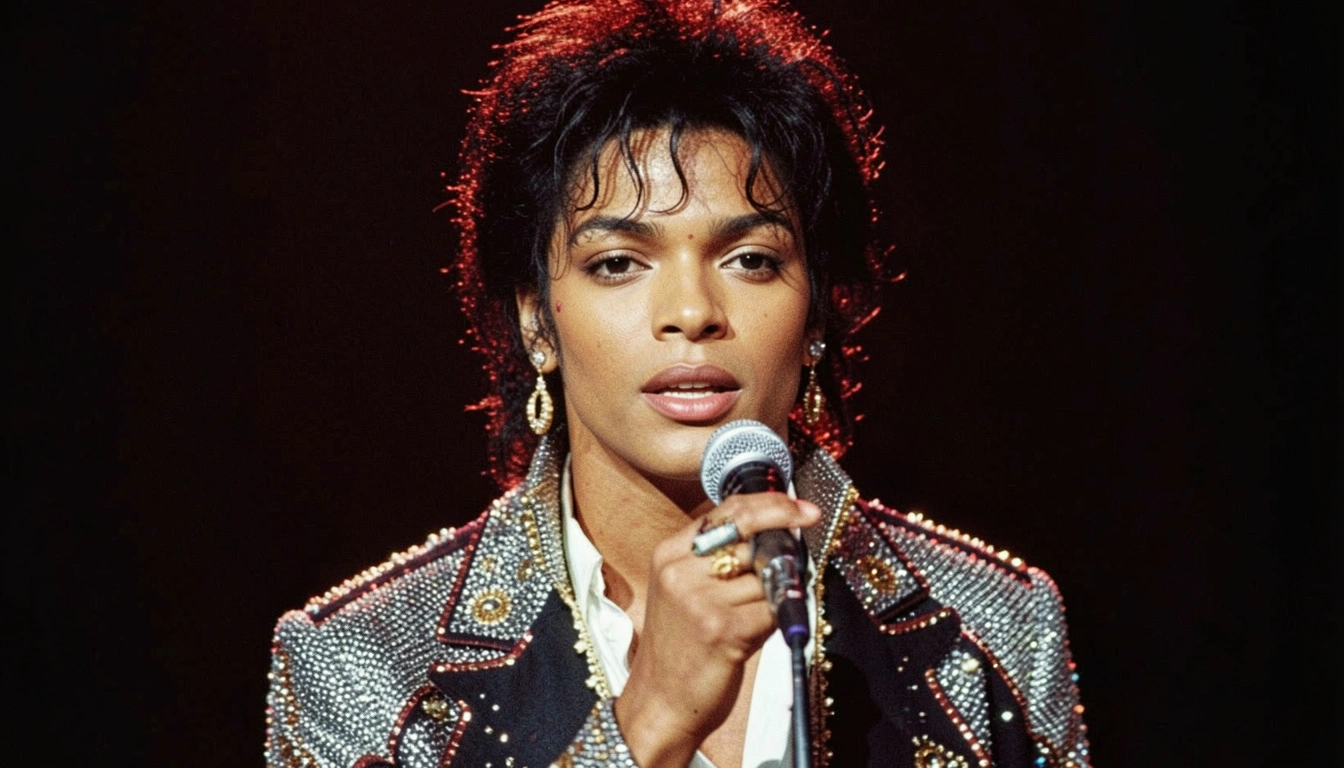
There are celebrities, and then there are people who become environments. Michael Jackson was not simply famous. He became a psychological climate people lived inside. Entire generations learned emotion through his music, movement, and image. But the psychological effects of fame on Michael Jackson were so extreme that they eventually blurred the boundary between person, performance, memory, and myth.
Most conversations about Michael Jackson and mental health stay on the surface. They talk about eccentricity, surgeries, scandals, or isolation. But one of the least discussed aspects of celebrity psychology is this: when fame begins before identity forms, the public can end up shaping a person’s nervous system before they even know who they are.
Michael Jackson never really had the chance to become a private self.
Fame Interrupted His Psychological Development
Developmental psychology suggests that adolescence is when humans experiment with identity, social roles, rebellion, and emotional independence. Jackson skipped that phase almost entirely. By age 11, he was already under relentless scrutiny, performing in stadiums while most children were still figuring out friendships and hobbies.
This matters more than people realize.
Most child stars experience a split between “performing self” and “real self.” But in Jackson’s case, the performing self became global property. The world rewarded him for perfection before he learned how to emotionally regulate imperfection. That creates a dangerous psychological loop: love becomes conditional on performance.
One under-discussed effect of extreme fame is that it can freeze emotional growth. Some psychologists informally compare this to the psychotherapy of developmental arrest, where certain emotional needs remain psychologically “unfinished.”Jackson’s obsession with innocence, fantasy, amusement parks, and childlike aesthetics may not simply have been eccentricity. They may have reflected an attempt to psychologically reconstruct a childhood he never actually experienced.
Neverland was not just a mansion.
It was emotional architecture.
Childhood Trauma and Fame in Michael Jackson’s Life
Much of how fame affected Michael Jackson psychologically cannot be separated from his upbringing. Jackson repeatedly described experiences of humiliation, fear, harsh discipline, and emotional neglect from his father during the Jackson 5 years. If you or anyone you know faced similar kind of treatment in childhood, consider taking Infiheal’s childhood trauma test to know more about how your past has affected you.
But what many analyses miss is how trauma interacts with visibility.
Usually, trauma survivors build coping mechanisms privately. Jackson had to do it while billions watched. Every insecurity became spectacle. Every physical change became headline material. Every attempt to control his image intensified public obsession with it.
This creates something psychologists sometimes call “hyper-symbolic existence.” The person stops living as a human and starts living as a cultural symbol. Jackson was no longer allowed to simply age, grieve, fail, or evolve normally. The world interpreted every behavior metaphorically. Even his appearance became psychologically overloaded. His changing face was not discussed as a possible sign of body dysmorphia, racial pressure, perfectionism, trauma, or identity fragmentation with nuance. Instead, it became entertainment. That level of surveillance changes the brain.
Research on celebrity psychology shows that chronic public scrutiny can produce hypervigilance, paranoia, dissociation, and severe social distrust.Jackson reportedly struggled with insomnia, dependency on medication, and profound loneliness for years. Fame did not simply surround him. It reorganized his emotional reality.
The Emotional Impact of Celebrity Culture on Michael Jackson
One of the darkest aspects of celebrity culture is that audiences often demand emotional authenticity while simultaneously punishing it.
Michael Jackson was expected to remain magical forever.
The public wanted him frozen as both child prodigy and untouchable icon. But psychologically, no human being can survive permanent symbolic projection without fragmentation. Eventually, celebrities stop knowing whether people love them, fear them, consume them, or own them.
This is why many people close to extreme fame begin describing themselves in dissociative language. They speak about “watching themselves” rather than being themselves.
Jackson once said he felt most comfortable on stage. That sounds glamorous until you realize what it implies psychologically: performance may have felt safer than ordinary human interaction.
There is also a less discussed consequence of fame: it distorts feedback. When people are treated as myths, they stop receiving psychologically corrective relationships. Boundaries weaken. Isolation deepens. Enablers multiply.
Fame does not only inflate people.
Sometimes it emotionally starves them.
What Extreme Fame Does to Mental Health
The tragedy of Michael Jackson is not just that he suffered. It is that the world consumed his suffering in real time while calling it fascination.
His life became a public experiment in what happens when talent, childhood trauma, loneliness, commodification, and unimaginable visibility collide inside one person.
And perhaps that is why conversations about Michael Jackson still feel psychologically unresolved. People are not just debating a celebrity. They are confronting uncomfortable questions about what fame itself does to human beings.
Because the deeper story may not simply be about one man.
It may be about what happens when society turns people into mirrors large enough to disappear inside.
We believe conversations with mental health companions like HEALO should move beyond labels and headlines. Sometimes understanding someone’s behavior requires understanding the emotional systems around them: trauma, identity, pressure, loneliness, and the silent psychological cost of constantly being seen.