Introduction
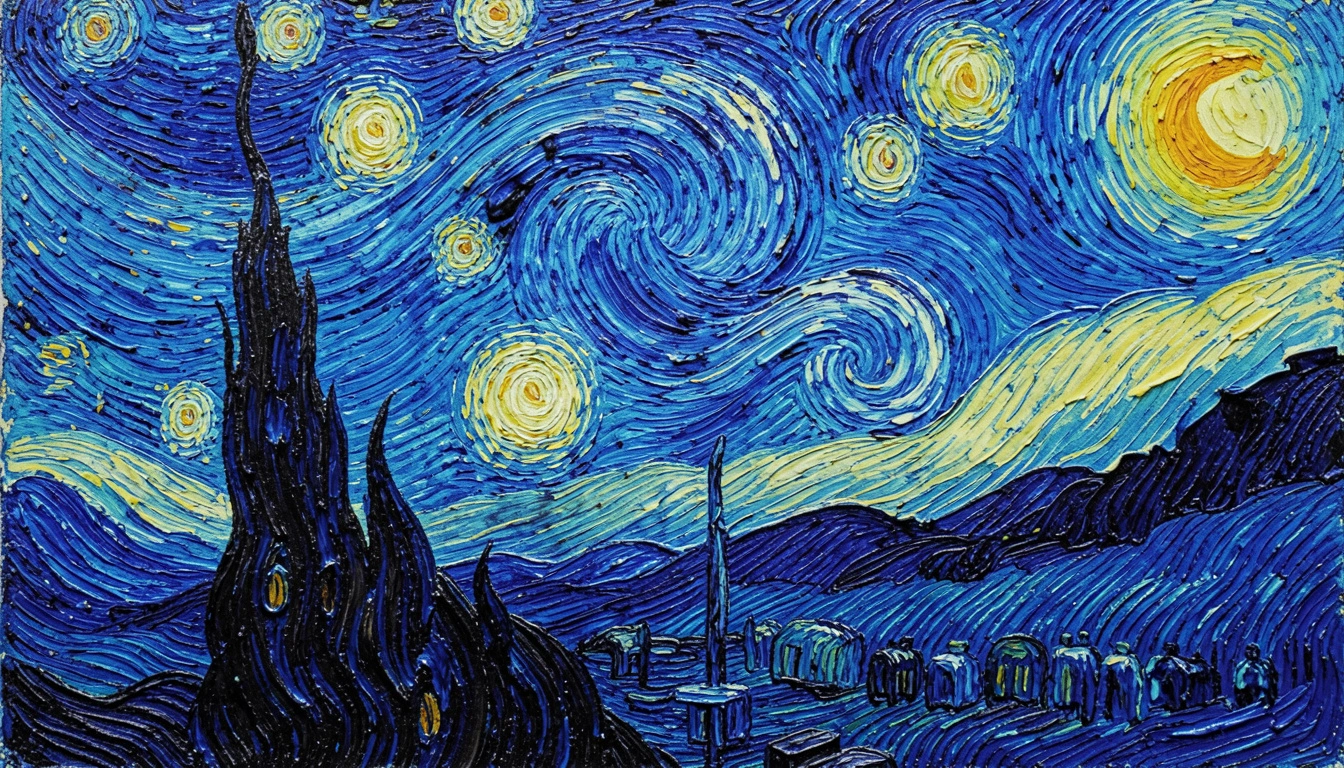
When people talk about Vincent van Gogh today, they often talk about him like a myth before they talk about him like a person.
The “tortured genius.” The artist who cut off his ear. The man who died poor but became immortal afterward.
Somewhere along the way, his suffering became part of his aesthetic. His pain became inseparable from his talent in the public imagination. But behind the paintings we now admire in museums was a deeply lonely human being trying to survive his own mind while searching for meaning, stability, and connection.
Van Gogh’s life gives us an important opportunity to ask a difficult question: why do we romanticize suffering so easily when it comes wrapped in brilliance?
A Life Marked by Instability
Van Gogh did not begin his life as a painter. Before art, he moved through multiple failed careers, including work as an art dealer, teacher, and preacher. He struggled to find belonging almost everywhere he went. His relationships were often unstable, his finances were fragile, and he depended heavily on the emotional and financial support of his brother, Theo.
Even during periods of intense artistic productivity, his emotional life remained turbulent. Historical accounts and letters suggest he experienced episodes of emotional dysregulation, isolation, despair, and psychological distress throughout much of his adult life. Some researchers and historians have speculated about possible conditions ranging from depression and bipolar disorder to psychosis or temporal lobe epilepsy, though no modern diagnosis can ever be confirmed retrospectively.
What stands out most in his letters is not simply illness, but loneliness.
In many of his writings to Theo, Van Gogh speaks openly about feeling misunderstood, emotionally exhausted, financially dependent, and disconnected from society. He desperately wanted human connection and recognition, not just artistic success.
And that detail matters.
Because often, when society looks back at people like Van Gogh, we focus on the genius and ignore the unmet emotional needs underneath it.
The Myth of the “Tortured Artist”
There is a strange cultural habit of linking creativity with suffering, as though pain itself produces brilliance.
We say things like: “Great art comes from darkness.” “Pain makes people deeper.” “Suffering fuels creativity.”
But real suffering is rarely poetic when someone is living through it.
Depression is not cinematic. Isolation is not inspiring when it stretches across years. Emotional instability does not feel beautiful from the inside. Many artists create despite suffering, not because of it.
Research does show that certain mental health conditions may correlate with higher creative thinking in some individuals, particularly traits linked with emotional sensitivity and divergent thinking.But that does not mean mental illness is necessary for creativity, nor that suffering should be glorified.
Van Gogh produced over 2,000 artworks in less than a decade. People often point to this extraordinary output as evidence that his suffering “created” his genius. But it is equally possible that art was one of the few things helping him survive emotionally.
That is a very different narrative.
Loneliness Can Change the Way a Person Experiences Life
One of the most heartbreaking parts of Van Gogh’s story is how invisible he often felt during his lifetime.
Today, his paintings are worth millions. But during his life, he sold very little work and frequently doubted his own value. He lived with repeated rejection, unstable relationships, and limited emotional support outside Theo.
Long-term loneliness does not just create sadness. It changes how people see themselves and the world around them. It can intensify hopelessness, increase emotional sensitivity, and make ordinary setbacks feel unbearable. Over time, isolation can slowly convince people that they are disconnected from life itself.
Van Gogh’s story reflects something many people still experience today: the painful gap between external expression and internal suffering. Someone can create beautiful things, appear functional, or even inspire others while privately struggling to stay emotionally afloat.
Looking Beyond the Paintings
It is easy to admire Van Gogh’s art. It is harder to sit with the reality of what emotional suffering can do to a person when left unsupported for too long.
His story is not simply about genius. It is also about emotional vulnerability, unstable mental health, financial stress, rejection, and the human need to feel understood.
And perhaps that is the more important lesson.
Not that suffering creates greatness, but that emotionally overwhelmed people are often carrying far more than the world can see.
What This Means for Us Today
Many people today silently live in versions of emotional isolation that do not look obvious from the outside. They continue working, creating, studying, posting online, and showing up socially while internally struggling with exhaustion, numbness, anxiety, or hopelessness.
That is one reason emotional support matters before someone reaches a breaking point.
Platforms like Healo by Infiheal are trying to make mental health conversations feel more accessible, less clinical, and easier to approach in everyday life. Sometimes people are not ready for therapy immediately. Sometimes they simply need a space to pause, reflect, understand their emotions, or feel heard without judgment. Van Gogh’s life reminds us that talent does not protect people from emotional pain. Creativity does not cancel loneliness. And visible functionality does not always mean someone is mentally okay. Behind many extraordinary people are ordinary human needs that were never fully met.