
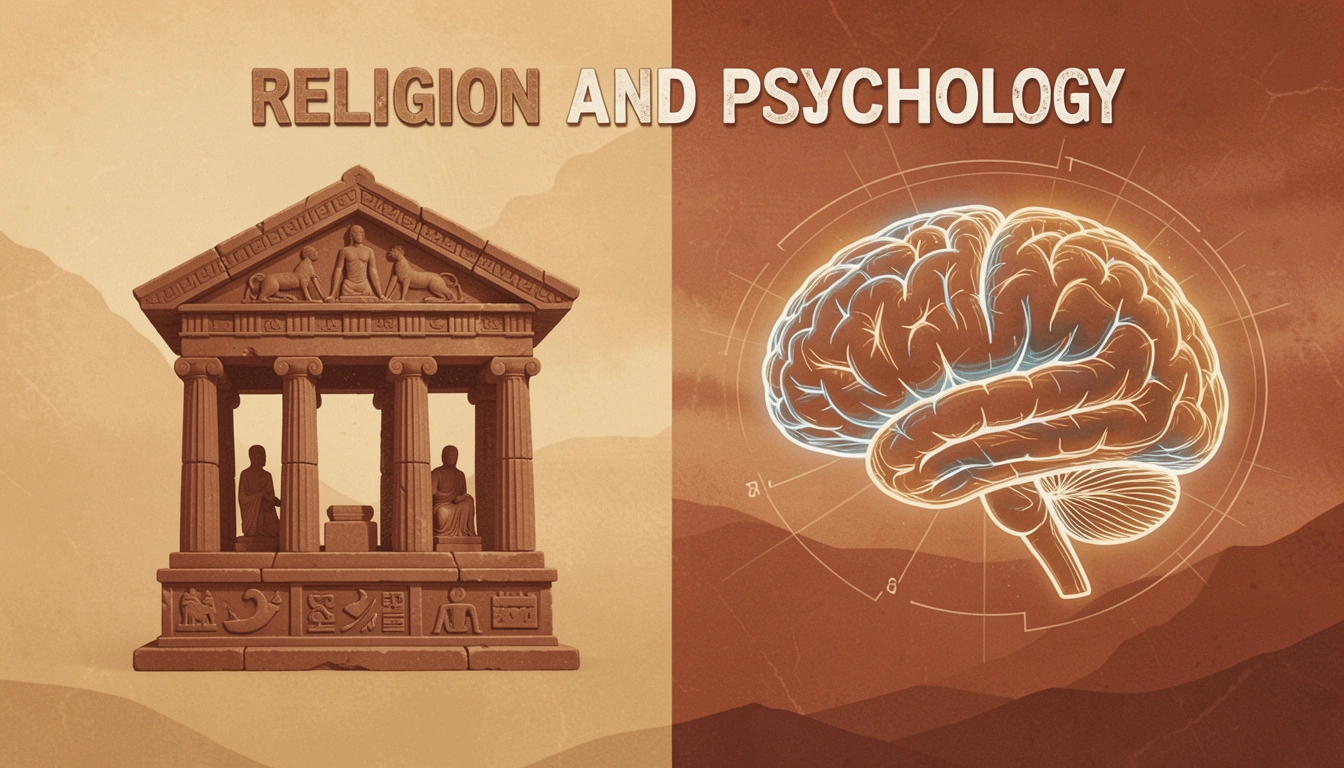
In an age where traditional religion is no longer the only pathway to inner exploration, modern mysticism is gaining attention. But what exactly is it? At its core, modern mysticism refers to spiritual practices and experiences aimed at cultivating self-awareness, connection, and meaning without adherence to organized religion. Meditation apps, breathwork sessions, mindfulness workshops, and energy healing retreats have emerged as tools for inner exploration accessible to people across belief systems.
The Rise of Spiritual but Not Religious (SBNR) Practices
In India and globally, a growing number of individuals identify as spiritual but not religious (SBNR). Research in psychology has shown that SBNR individuals often pursue practices that enhance emotional regulation, stress management, and self-understanding, without subscribing to dogma. This shift reflects broader societal trends: urbanization, exposure to diverse worldviews, and the desire for personalized meaning-making. Modern mysticism often draws from ancient spiritual traditions like meditation, yoga, or breathwork—but translates them into secular, accessible formats. For example, mindfulness meditation is now widely taught in workplaces and schools, stripped of its original Buddhist or Hindu framing. The focus is on practical psychological benefits: attention regulation, stress reduction, and emotional resilience.
Psychological Insights Behind Modern Mysticism
Even without religious belief, mystical practices activate profound psychological mechanisms. Research shows that meditation, guided visualization, and contemplative exercises can:
- Enhance emotion regulation by reducing amygdala reactivity and promoting prefrontal cortex engagement.
- Improve attention and cognitive flexibility, supporting better problem-solving and creativity.
- Foster meaning-making and self-transcendence, which are core components of wellbeing in positive psychology.
- Encourage interconnection and prosocial behavior, even outside the framework of religious moral codes.
Why People Turn to Mysticism Without Religion
There are several reasons why people are exploring spiritual practices outside religious frameworks:
- FlexibilityPractices can be chosen and adapted to individual preferences without doctrinal restrictions.
- Secular IntegrationMindfulness, journaling, or yoga can be incorporated into daily life, work, and therapy.
- Focus on Experience Over BeliefThe emphasis is on direct experience of awareness, presence, or energy, rather than dogma or ritual.
Conclusion
Modern mysticism demonstrates that spirituality and mental health are not confined to religious structures. By integrating psychological research with experiential practices, it offers accessible pathways for meaning-making, emotional resilience, and personal growth. For many, the essence of spirituality lies not in dogma or doctrine, but in the exploration of consciousness, connection, and inner peace—a pursuit that is timeless, universal, and deeply human.