Introduction: The Need for Third Spaces
Modern life is often split between two dominant spheres: home and work. But for many, these environments can feel demanding, stressful, or isolating. To cope with rising rates of burnout, loneliness, and digital fatigue, people are turning to something different, “third spaces.” These are public or semi-public places where individuals can unwind, connect, and simply be. From bustling coffee shops to quiet bookshops and green parks, third spaces are increasingly becoming sanctuaries for mental health.
What Makes Third Spaces Important for Mental Health and Why They’re Rising
Coined by sociologist Ray Oldenburg, “third spaces” describe informal gathering spots beyond home (first space) and work (second space). They are neutral grounds free of rigid expectations where authenticity, connection, and belonging thrive.
The rise of third spaces as mental health sanctuaries can be traced to several shifts:
- Loneliness epidemic: More people report feeling isolated, especially in urban areas and post-pandemic times.
- Blurring of home and work: With remote work and digital overload, many seek spaces that separate personal time from professional demands.
- Greater mental health awareness: The growing recognition that wellness goes beyond therapy rooms has expanded the idea of everyday environments that nurture emotional balance.
Third spaces matter because they:
- Reduce isolation by fostering organic social contact.
- Encourage mindfulness through new, engaging surroundings.
- Spark creativity by stimulating the senses and imagination.
- Soothe stress with comforting rituals, like sipping coffee or walking in nature.
Everyday Sanctuaries: Cafés, Bookstores, and Parks
While third spaces can take many forms, three in particular stand out as mental health havens:
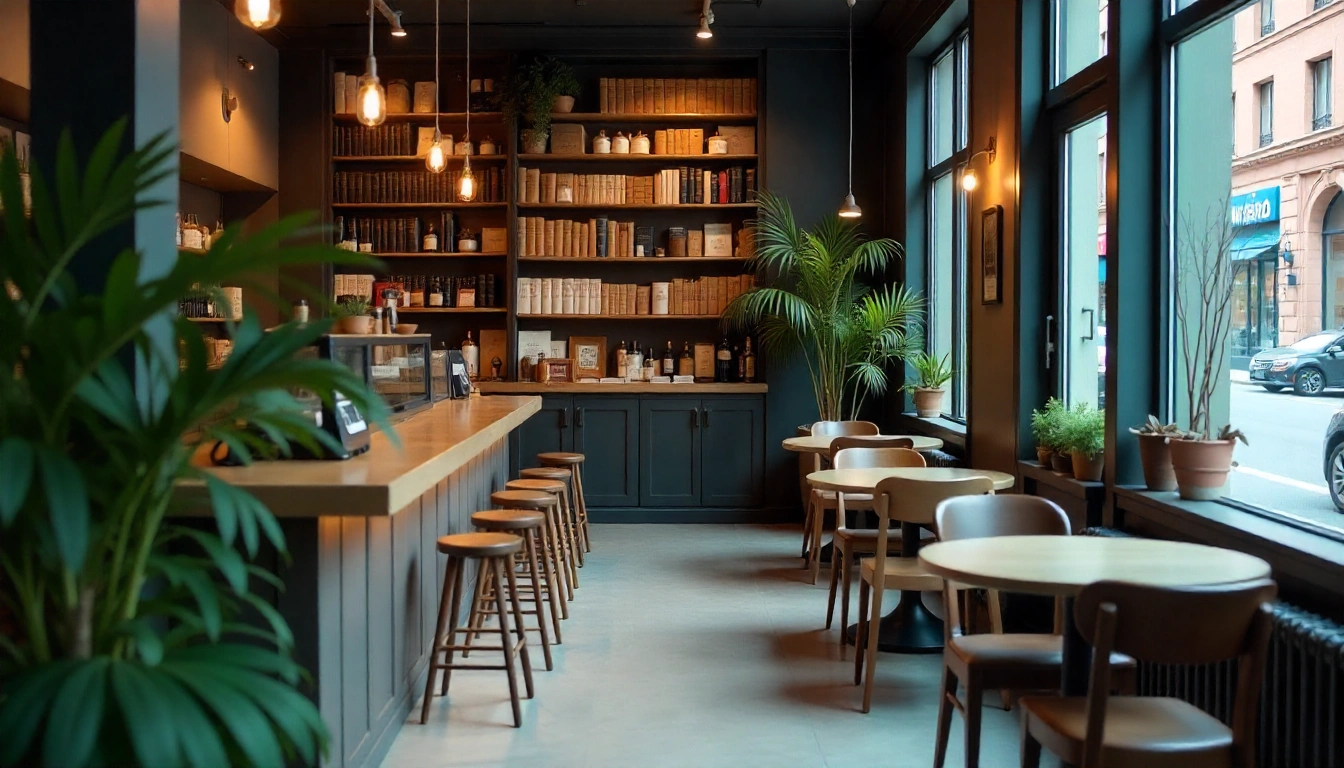
- Cafés: More than caffeine stops, cafés provide warmth and familiarity. The hum of conversations and the aroma of coffee create a comforting background for journaling, remote work, or quiet reflection. Even alone, people feel a subtle sense of belonging.
- Bookstores: With their quiet atmosphere and shelves full of stories, bookstores offer therapeutic escape. They invite slow browsing and immersion in ideas, what psychologists often call bibliotherapy. Community events like readings and clubs add another layer of connection.
- Parks: Nature remains the most timeless healer. Parks reduce stress hormones, improve mood, and enhance clarity. Whether jogging, picnicking, or simply sitting under a tree, people reconnect with themselves and the natural world, an antidote to overstimulation.
Together, these spaces create opportunities for community, creativity, and calm, making them accessible sanctuaries in everyday life.
The Future of Mental Health and Community Spaces
The evolution of third spaces points to a cultural shift: mental health is being integrated into daily environments. Cafés are now hosting wellness workshops, bookstores are curating mindfulness corners, and urban planners are designing greener, more inclusive spaces. This trend shows that healing doesn’t always require structured therapy. Sometimes, a latte, a chapter from a novel, or a walk in the park can offer the grounding we seek. Third spaces are helping bridge the gap between formal mental health care and everyday well-being.
Conclusion: Cultivating Connection and Calm
Third spaces remind us of a simple truth: we are wired for connection, presence, and peace. As society grapples with stress and disconnection, these sanctuaries stand as gentle reminders that restoration can be found not in isolation, but in the shared, nourishing rhythms of community spaces.