Introduction
Menstruation is a biological process that half the population experiences for nearly four decades of their lives. Yet in India, periods are still whispered about, hidden behind euphemisms, and wrapped in silence. Despite progress in education, healthcare, and gender conversations, menstruation remains deeply stigmatized impacting not just physical health, but emotional well-being, self-image, and mental health outcomes for Indian women.
Period stigma is not just about discomfort or embarrassment. It is about internalized shame, restricted autonomy, disrupted identity, and psychological distress that begins early and often stays unspoken.
Growing Up With Silence and Shame
For many Indian girls, the first period is not introduced through conversation but through rules. Suddenly, there are instructions, don’t enter the kitchen, don’t visit temples, don’t touch pickles, don’t talk about it openly. The body changes overnight, but understanding rarely follows.
This lack of preparation can make menarche feel frightening rather than empowering. Girls often report feeling “dirty,” “impure,” or “wrong” without knowing why. When a natural bodily process is framed as something to hide, it quietly teaches a powerful lesson: your body is something to be ashamed of.
Psychologically, this early experience can shape body image, self-esteem, and emotional expression. Shame learned young has a way of embedding itself deeply, influencing how women relate to their bodies well into adulthood.
Menstrual Health Is Still Not Treated as Health
Menstrual pain, irregular cycles, heavy bleeding, and PMS are often normalized to the point of neglect. “Periods are supposed to hurt” is a message many Indian women grow up hearing. As a result, physical discomfort is endured silently, and medical concerns are delayed or dismissed.
Conditions like PCOS, endometriosis, PMDD, and anemia frequently go undiagnosed for years. The psychological cost of this neglect is significant. Chronic pain, fatigue, and hormonal fluctuations can contribute to anxiety, irritability, low mood, and burnout-yet women are often told they are “overreacting” or “being moody.”
When physical pain is invalidated, emotional pain follows. Women begin to doubt their own experiences, leading to self-gaslighting and emotional suppression.
Period stigma doesn’t end at physical discomfort, it quietly shapes emotional and psychological experiences. Many women report feeling embarrassed asking for sanitary products, anxious about stains in public spaces, or ashamed to take rest during painful cycles.
In workplaces and educational institutions, menstruation is rarely acknowledged as a legitimate reason for discomfort or reduced productivity. Women push through pain to avoid judgment, reinforcing the idea that rest is a weakness.
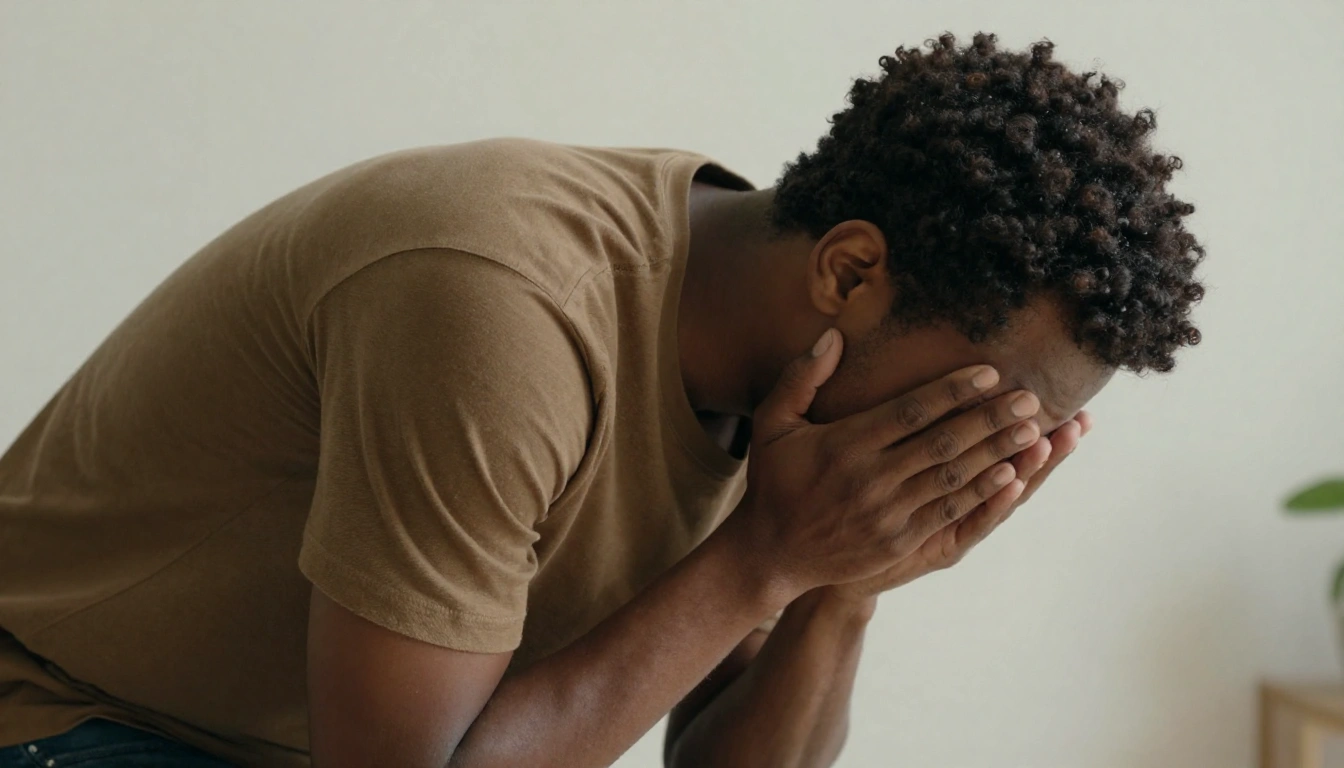
Over time, this constant dismissal can contribute to emotional exhaustion, heightened stress, and feelings of isolation. For some, menstrual cycles become associated with dread—not just because of physical symptoms, but because of the emotional labor required to “manage” them silently.
How Stigma Impacts Mental Health
The relationship between menstrual health and mental health is often overlooked. Hormonal changes naturally influence mood, but when combined with stigma, silence, and lack of support, the psychological impact deepens.
Women with severe PMS or PMDD may experience intense mood swings, depressive symptoms, or intrusive thoughts-yet hesitate to seek help due to fear of being labeled “dramatic” or “unstable.” This can delay mental health intervention and increase vulnerability to anxiety and depression.
Additionally, internalized stigma can affect emotional regulation. When women are taught to suppress conversations about their bodies, they may also struggle to express emotional needs, discomfort, or distress in other areas of life.
Breaking the Cycle Through Conversation and Care
Change begins with conversation. When menstruation is spoken about openly at home, in schools, in healthcare settings it loses its power to shame. Comprehensive menstrual education that includes emotional and psychological aspects is essential, not optional.
Mental health professionals, educators, and caregivers play a critical role in normalizing discussions around menstrual-related distress. Acknowledging that menstrual health affects emotional well-being allows women to seek help without guilt or fear.
Equally important is self-compassion. Learning to listen to one’s body, validate discomfort, and prioritize care is not indulgent - it is necessary.