
Introduction: When Life Lost Its Pauses
Modern life prides itself on speed, efficiency, and constant engagement. Yet somewhere along the way, we lost something psychologically essential: transitional spaces. These were the quiet in-between moments that helped us emotionally arrive and emotionally leave. Their disappearance has reshaped how we process feelings, often without us realizing it. Understanding the loss of transitional spaces helps explain why modern life leaves no time to process emotions, even when life looks “manageable” on the surface.
What Are Transitional Spaces, Really?
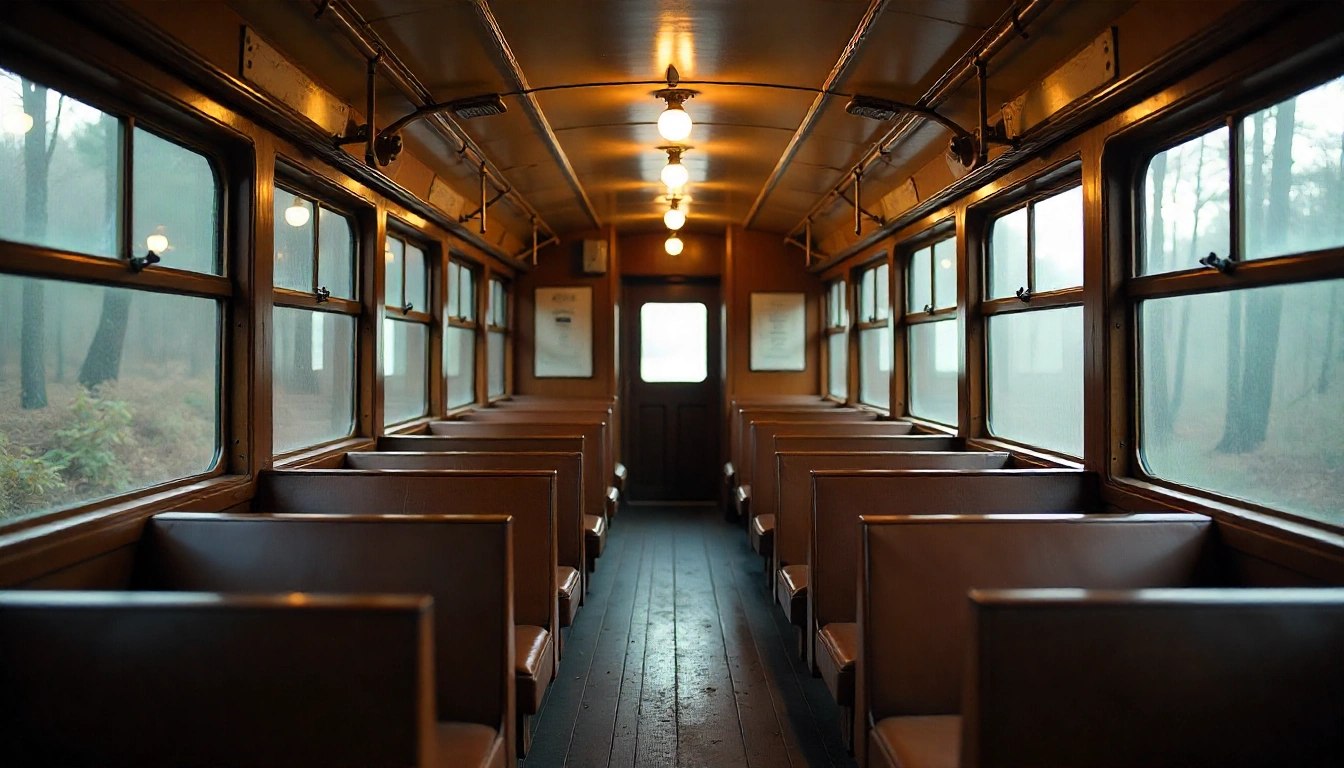
Transitional spaces are not just physical gaps like commutes or waiting rooms. They are psychological buffers between roles, environments, and emotional states. A commute allows us to shift identities. A waiting room creates space for anticipation and reflection. Even moments of boredom once offered the mind permission to wander inward. These spaces supported emotional processing time by letting feelings unfold naturally rather than being rushed or suppressed.
From a psychological perspective, these spaces function as liminal zones, a concept drawn from anthropology and later applied in psychology. Liminality refers to being in-between states, where transformation quietly occurs. Without these zones, emotions have no container to move through change.
Why Emotional Processing Needs Time, Not Just Insight
Emotional processing is not an instant cognitive act. According to affective science, emotions move through stages: activation, meaning-making, and integration. Transitional spaces gave our nervous system time to complete this cycle. When modern life eliminates pauses, emotions get activated but never integrated.
This often leads to delayed emotional responses. Someone may feel fine during the day but become inexplicably overwhelmed at night. This is not emotional instability. It is postponed processing. Emotional processing time becomes critical here, because emotions that are not processed in time do not disappear. They accumulate.
How Commutes Help Emotional Processing
Commutes are one of the most underestimated psychological tools of daily life. The importance of transitional spaces for mental health becomes obvious when we examine what commutes quietly did for us.
They allowed emotional decompression after socially demanding environments.They created predictability, which soothes the nervous system.They offered low-stimulation movement, helping emotions settle somatically.They supported identity shifting, from professional self to personal self.
When commutes disappear or become hyper-stimulated with constant content, emotional residue has nowhere to go. This explains why working from home, despite its benefits, has increased reports of emotional exhaustion and blurred work-life boundaries.
The Psychological Cost of Constant Stimulation
One of the most under-discussed effects of modern life is not stress itself, but the absence of recovery micro-moments. The effects of constant stimulation on emotional health are subtle but cumulative. Every spare second is now filled with content, sound, or interaction. This blocks spontaneous emotional surfacing.
Psychodynamically, this can be understood as chronic avoidance without conscious intent. The mind is never given silence long enough for unresolved feelings to emerge. Over time, this creates emotional flatness or sudden emotional flooding, because feelings demand expression eventually.
Emotional Role Contamination: When Feelings Spill Everywhere
Without transitions, emotions lose their contextual boundaries. Stress from one domain leaks into another. This phenomenon, which can be called emotional role contamination, explains why people feel perpetually “on edge” even in safe environments.
Transitional spaces once acted as emotional washing machines. They reduced emotional carryover. Their loss means we are constantly emotionally multitasking, which the brain is not designed to do efficiently.
Waiting Rooms, Boredom, and the Lost Skill of Emotional Anticipation
Waiting rooms were not just about waiting. They trained us in emotional anticipation. Anticipatory processing allows the brain to mentally prepare for possible outcomes, reducing shock and emotional overload. Boredom served a similar function. It allowed the mind to drift, connect memories, and surface low-level emotions that rarely get attention.
When boredom is eliminated, emotional depth often goes with it. It is not the lack of therapy or insight. It is the lack of mental white space.
What We Lose Without Transitional Spaces
The loss of transitional spaces affects emotional health in ways that are rarely named-
- We lose emotional digestion time, leading to unresolved feelings.
- We lose identity separation, increasing burnout.
- We lose emotional foresight, making reactions sharper.
- We lose internal continuity, feeling fragmented across roles.
These are not dramatic losses, but cumulative ones, shaping how we relate to ourselves.
Relearning Transitions in a Transitionless World
The solution is not to romanticize waiting or slow life unrealistically. It is to consciously reintroduce micro-transitions. Short walks without audio. Pauses between tasks. Intentional silence after emotionally charged interactions. These small practices restore emotional processing time in a system that no longer provides it naturally.
Understanding the loss of transitional spaces is not about nostalgia. It is about recognizing a hidden psychological infrastructure that supports emotional health. When we rebuild it, even in small ways, emotions begin to move again. And when emotions move, they no longer need to shout to be heard.