Introduction
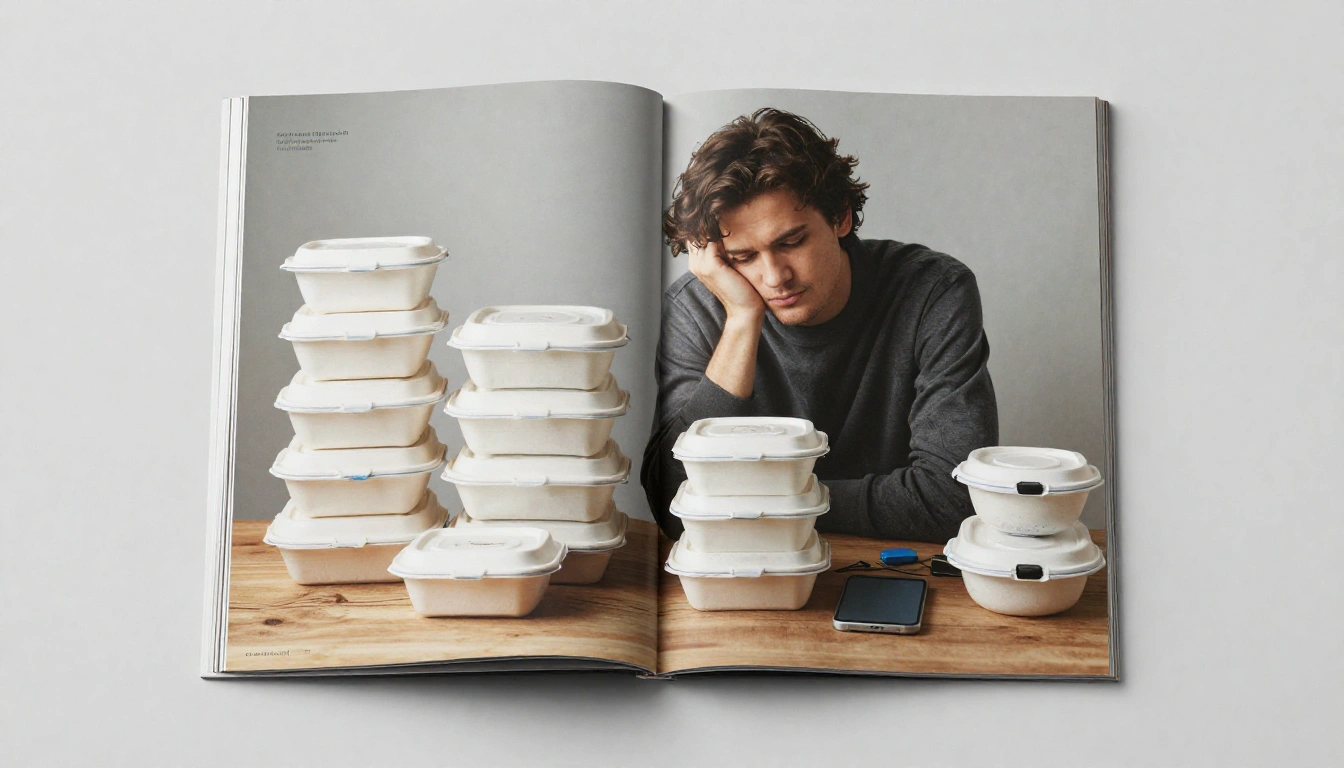
You have just finished your work for the day. It’s 7pm and you still have an hour left to kill before you start prepping for dinner. One hour is enough to finally start reading the book you wanted to read or watch half a movie. But what do you end up doing? You tell yourself that you’re going to watch reels for ten minutes. But before you know it, it’s 9pm and you haven’t even thought about what you want to eat. It’s too late to start making dinner anyway, so you open your food delivery app and start looking for different food items that are on sale today. Do you resonate with this kind of a lifestyle? Well, in today’s age, we all do. This isn’t just indulgence, it’s a form of coping.To know more about the kind of life we are all leaning forward and how to break free from that, continue reading this blog
Short term hedonism: What is it and why do we engage in it?
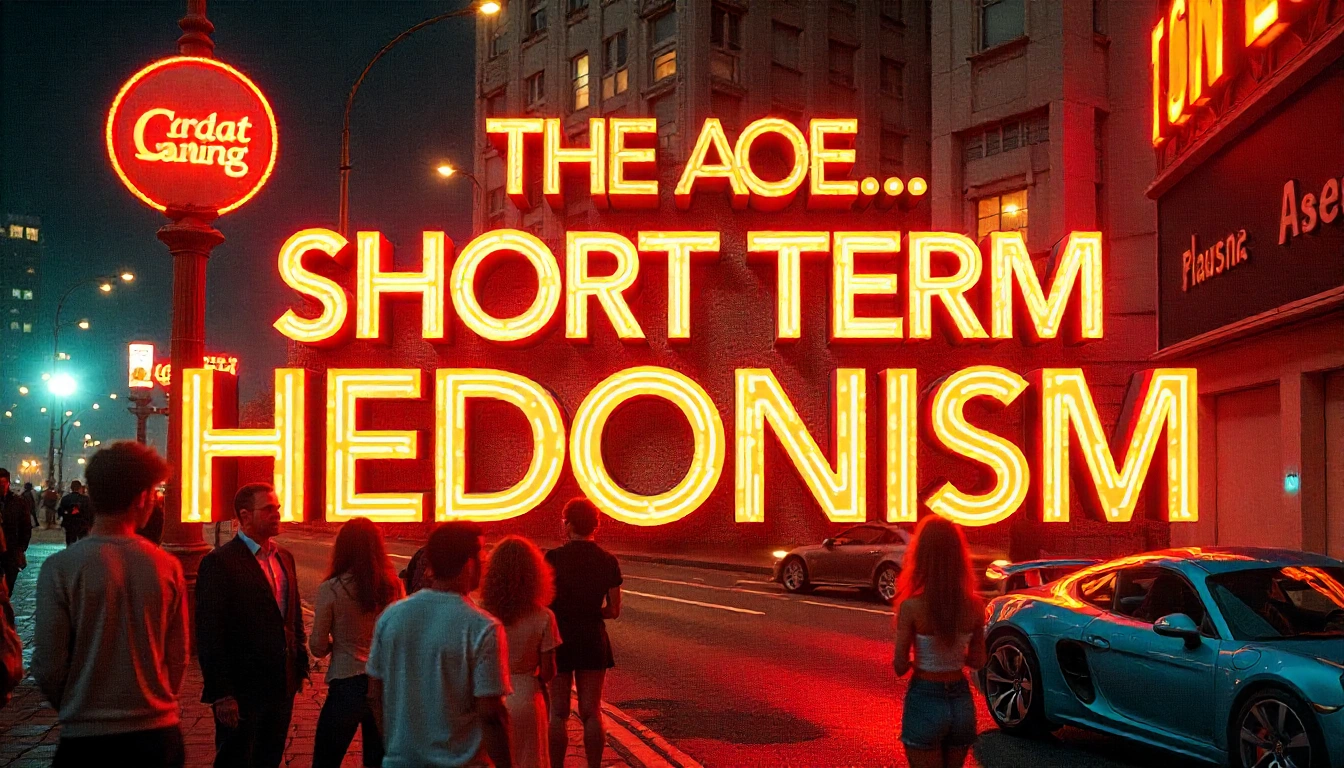
Short-term hedonism is the practice of prioritizing immediate pleasure and gratification over long-term goals and potential negative consequences. It’s the act of giving preference to the most immediate need for pleasure ( social media, junk food, unprotected sex) even if these choices might lead to future problems. In uncertain times, filled with climate anxiety, national conflicts and economic instability, we crave for certainty. We want to make our future feel safe. But we cannot control the future.The only way to have a bit of control on our life then, is through our present moment. We often end up seeing more value in immediate actions than denying it in the present for future satisfaction. This is also known as future discounting. Certain short term pleasures can feel like safe lifeboats especially when our future lives feel like storm.
The deeper void: Escaping the self
We should remember that the random doom-scrolling hour on instagram or the impulsive decision to hook up with someone you don’t know is more than just a last minute poor decision. Sometimes we fall into these short term pleasures not out of impulsiveness, but because of a deeper need to avoid solitude and self-confrontation. Distraction, whether through media, food, sex, fight, porn,shopping or a trip protects us from unresolved feelings of hurt, pain, anger or loneliness. They are a quick fix to something we have been struggling internally for quite a long time now. It can help us avoid thinking about deeper issues like existential dread or identity confusion. Cravings are usually signs of meaning, rest or connection. For example, watching netflix without really being able to process anything is a sign of craving for rest. Social media is a craving to be seen. While online shopping is a craving for control.
Reclaiming pleasure through meaning
Most hard core influencers nowadays think of treating dopamine addiction by just eliminating pleasure completely from our lives. But that’s not the most ideal way to do it. Humans are beings that operate on a lot of mechanisms and one of the important ones is pleasure. However, as a generation, to prevent us from developing a societal level addiction for short pleasures, we need to reassign meaning to pleasure instead of completely eliminating it. That means finally watching that show which means a lot to your friend. It means picking up a book and reading 10 pages slowly and mindfully. It means going for a movie date with your loved one without taking your phone. It means to sit at a cafe alone without looking at your phone every two seconds. Try introducing small rituals which mean something to you or people around you instead of falling for short term compulsive pleasures.
Conclusion
It might be time to acknowledge short-term hedonism as a coping mechanism, not a failure. The next time you feel compelled to scroll on reels as a strong urge, ask yourself- what am I really craving beneath this urge? Because ultimately, these pleasures will merely put a band aid to your wound, that too for a short period of time. In the long term, peace would be your most enduring pleasure.