Introduction
We often assume that the more convenient life becomes, the easier it should feel. You can order groceries while sitting in traffic, reply to emails from bed, and book a therapy session in under a minute. Yet by the end of the day, there is a strange kind of exhaustion that does not match the amount of physical effort you have put in. This is where the tension between convenience vs ease begins to show up. Convenience reduces effort, but it does not necessarily reduce mental strain. In many cases, it quietly adds to it.
Convenience vs Ease: Where It Starts to Feel Heavy
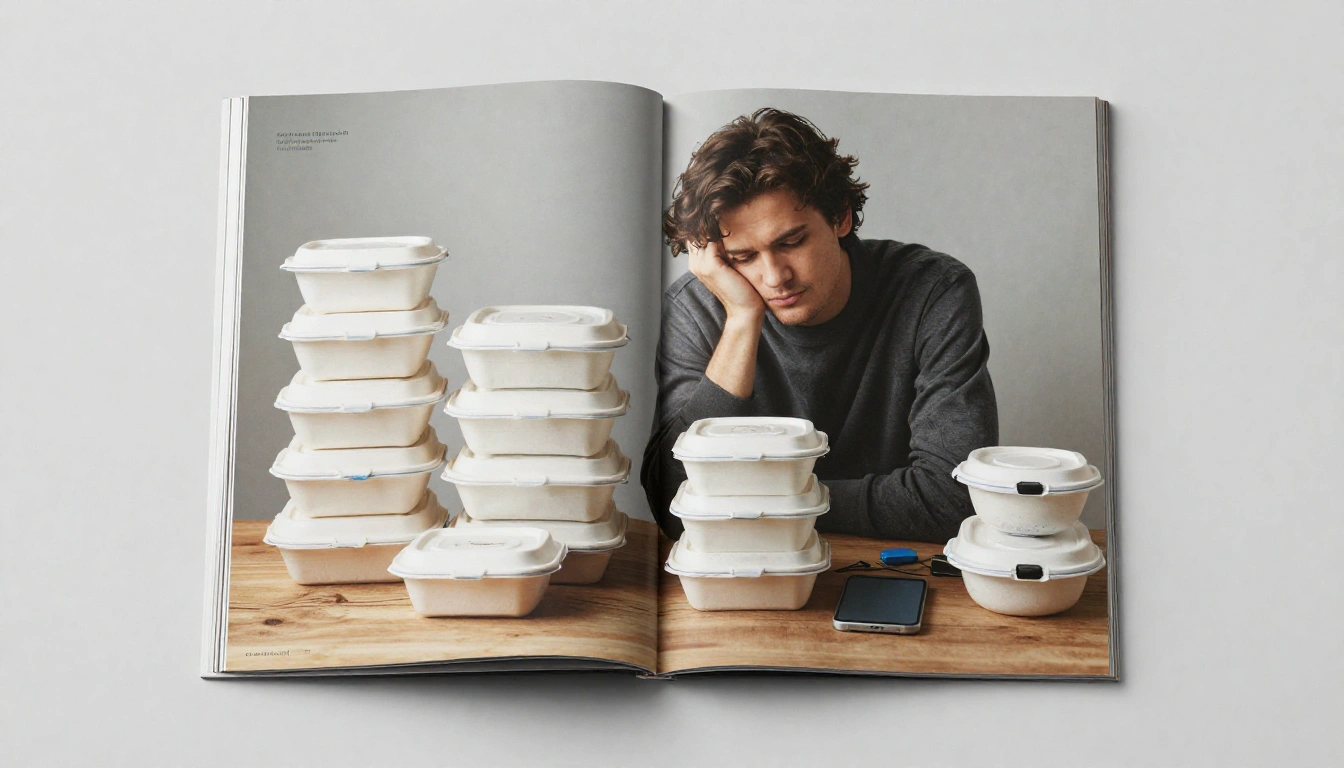
Think about ordering food on an app after a long day. It is objectively convenient. But instead of relief, you might find yourself scrolling endlessly, comparing prices, checking reviews, wondering if you are eating “too unhealthy,” and switching between apps for better discounts. What should have been a two-minute decision becomes a twenty-minute loop.
This is the difference between convenience vs ease. The task became easier to perform, but harder to complete mentally. The brain is now doing more invisible work, evaluating options, predicting outcomes, and managing emotions around the choice. That invisible work is where convenience stress begins.
Why Does Convenience Not Make Life Easier
A common example is online shopping. You go in to buy one thing, say a pair of headphones. Within minutes, you are comparing five brands, watching reviews, checking return policies, and reading Reddit threads. Even after purchasing, there is a lingering thought: “Did I choose the right one?”
This is driven by negative forecasting. The brain tries to predict regret in advance. More options mean more possible regrets, so the brain works harder to “get it right.” Instead of saving energy, convenience expands the decision-making process.
Another example is messaging. Earlier, if someone did not reply for a few hours, it felt normal. Now, when you see someone online but not responding, your mind fills in the gaps. Did I say something wrong? Are they ignoring me? Convenience speeds up communication, but it also speeds up overthinking.
How Convenience Can Lead to Stress and Burnout
Convenience becomes stressful not because of what it offers, but because of how it changes our relationship with time, attention, and expectations. Here are some ways in which convenience can lead to stress and burnout
- Too many micro-decisions throughout the dayFrom choosing what to watch on streaming platforms to picking a workout from ten different apps, your day becomes a series of constant decisions. For example, spending 15 minutes deciding what to watch on Netflix and then feeling too tired to actually enjoy it.
- The illusion of urgencyWhen everything is instant, everything starts to feel urgent. A Slack message at 10 pm feels like it needs a reply, even when it does not. The line between “can respond” and “should respond” disappears.
- Reduced tolerance for discomfortIf your cab is five minutes late, it feels disproportionately frustrating because you are used to real-time tracking and precision. Small delays start to feel like disruptions rather than normal parts of life.
- Blurred boundariesWorking from home means you can send emails anytime. It also means you feel like you should. You might find yourself checking work notifications while watching a movie, unable to fully switch off.
- Continuous partial attentionScrolling Instagram while replying to texts and half-watching a show creates a state where your mind never fully rests. It is not intense stress, but it is constant. Over time, this builds into convenience burnout.
Ease vs Stress: What Actually Helps
Creating ease is less about removing tools and more about changing how we engage with them. For instance, instead of scrolling endlessly on a food app, you might decide on two “default” options for weekdays. This reduces decision fatigue without removing convenience.
Similarly, setting small boundaries can shift the experience. Not replying to messages instantly, even when you can, helps retrain your brain out of urgency. Or choosing one platform for shopping instead of comparing across five reduces cognitive overload.
Another simple shift is allowing “imperfect choices.” Watching a movie without reading ten reviews beforehand or buying something without exhaustive comparison can feel uncomfortable at first, but it gradually reduces the mental load attached to every decision.
Conclusion
Convenience was meant to simplify life, but without awareness, it often complicates our internal world. The issue is not the tools we use, but the expectations they quietly create. Ease vs stress is less about how fast or efficient life becomes and more about how much pressure we carry while navigating it.
This is where tools like Healo by Infiheal can play a meaningful role. Instead of adding another layer of input, it creates a space to process the mental load that convenience often brings. Whether it is overthinking decisions, feeling constantly “on,” or struggling to switch off, having a place to slow down, reflect, and make sense of these patterns can bring back a sense of ease that convenience alone cannot provide.