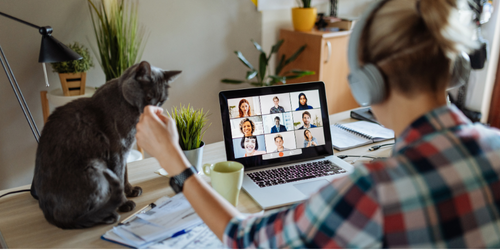
Working from home isn’t a new concept, previously known as telecommuting or telework. It became the new normal during the COVID-19 pandemic. When the pandemic hit, schools, colleges, and offices worldwide had to adapt to new ways of functioning amidst the lockdown. And work from home came out to be a solution for that.
Here are some major Advantages of Work from Home in 2024
Cost of commute reduced
One of the main challenges that many office workers face is commuting. In countries like India, large corporations are often located on the outskirts of cities like Delhi-NCR, resulting in an average commute time of 1-2 hours for corporate workers. Whether it is Mumbai or Bangalore traffic, office rush hours make commuting to and from office spaces difficult and exhausting, and the cost of travel takes up a significant portion of one's salary. Commuting for 2-3 hours daily is very draining and often makes the 9-5 8-hour job even longer. From a health standpoint, long office hours can significantly impact an employee's daily and personal life. With work taking up most of their day, they may not have enough time to recover, rest, or do the things they love, or spend time with the people they care about. Remote work made that aspect significantly better, not only saving time but also money for a lot of corporate workers. Allowing them to work from home leaving more room for them to spend time with loved ones.
More Productivity
Work from home also allowed employees to work from the comfort of their home but also increased overall productivity. A 9-month study of 16,000 workers by Stanford found that working from home increased productivity by 13%. That's interesting to know. More studies have shown that working from home can increase productivity and efficiency. This is because employees can avoid distractions and focus on their work without the need for commuting and other interruptions that can occur in an office environment. Additionally, being able to work in a comfortable and familiar environment may help employees feel more relaxed and motivated, leading to better results. All the while not having to be stuck at offices for 8-9 hours per day. Remote work also allowed employees flexibility in choosing their work hours which provided the most important benefit of a work-from-home system.
Creating new opportunities
Remote work also allows people to get a relatively stable job where they can earn income to either support themselves or their families. Remote work opportunities have also made it more accessible for Gen Z and college students to enter the workforce while still pursuing their studies. Helping them gain first-hand experience in working in their field preparing them for their careers ahead. Not only that it gives companies the freedom to hire talent from all over the country who can work from their homes without having to relocate, all the while also reducing the cost of maintaining an office space.
All that to say, while there are a lot of benefits of remote work there are a lot of disadvantages to same as well. Like there is no rose without a thorn, all good things come with a catch.
Blurring the lines of work-life balance.
Maintaining a work-life balance is a task for a lot of people, with remote work this can become even more challenging. Blurring the line between dedication and perfectionism to burnout and overstepping boundaries. If not taken into consideration remote work can contribute to someone’s work life completely overtaking their personal life. Many people find it essential to have a designated workspace as it creates a physical boundary between their home and work environments. However, remote work has made it feasible to work from anywhere. It is crucial to maintain this separation to safeguard one's overall mental well-being and prevent burnout.
Not as comfortable as it seems
Another important thing to keep in mind is isolation during extended periods of remote work. While remote work may not be the sole cause of isolation, it can certainly worsen its effects, especially considering the global lockdown that has been in place. Not only that but Sedentary lifestyles promoted by online working platforms are causing concern about lifestyle diseases.
Isolation and it’s implications
Another important thing to keep in mind is isolation during extended periods of remote work. While remote work may not be the sole cause of isolation, it can certainly worsen its effects, especially considering the global lockdown that has been in place. Not only that but Sedentary lifestyles promoted by online working platforms are causing concern about lifestyle diseases.
How does Work From Home influence employee Mental Health?
The post-COVID world has embraced the remote work/hybrid work model, and many corporate employees are currently working from home. It is crucial to strike a balance and maintain good work-life boundaries. A lack of clear boundaries and constant juggling between work and home life can contribute to mental health challenges. Stress levels can increase while focus and productivity decrease. Workers may feel frustrated and perceive themselves as unable to meet the expectations of their work responsibilities or be fully present in their personal lives. Increased struggle in these areas can take a toll on self-esteem, leading to feelings of inadequacy and self-doubt. It can also impact someone’s self confidence.
However, there are a lot of people who do end up benefitting from the work-from-home model as well. Some people prefer to avoid social interactions or have a lower tolerance for them. Remote work can help maintain their mental peace and protect their health.
How to maintain your work-life balance? - * Have a designated workspace that is separate from your living space.
- * Change out of your clothes and dress for your work!
- * Try to make a post-work routine that you can stick to
- * Keep track of your tasks in a to-do list.
- * Communicate when you are feeling overworked!
- * Take breaks away from your computer and desk
- * Try to engage in grounding activities to calm down once your work is over.
- * Find one thing to look forward to each day.
Another helpful tool for maintaining work-life balance and addressing challenges is the AI mental health AI Assistant called Healo. Healo can provide support and solutions during difficult times by lending a listening ear and offering assistance.
CONCLUSION
There are both a lot of benefits and drawbacks of remote work. While some may still prefer offline working spaces, plenty of people are thriving in a work-from-home setup. Different people may have different opinions on the same and that is okay. What matters is that employment opportunities are rare and remote work has opened many doors for many people, which is a big deal in our current economy and capitalistic society. It's important to establish clear boundaries between work and personal life and maintain them to ensure that remote work doesn't negatively affect the mental health of employees or employers.