
Introduction
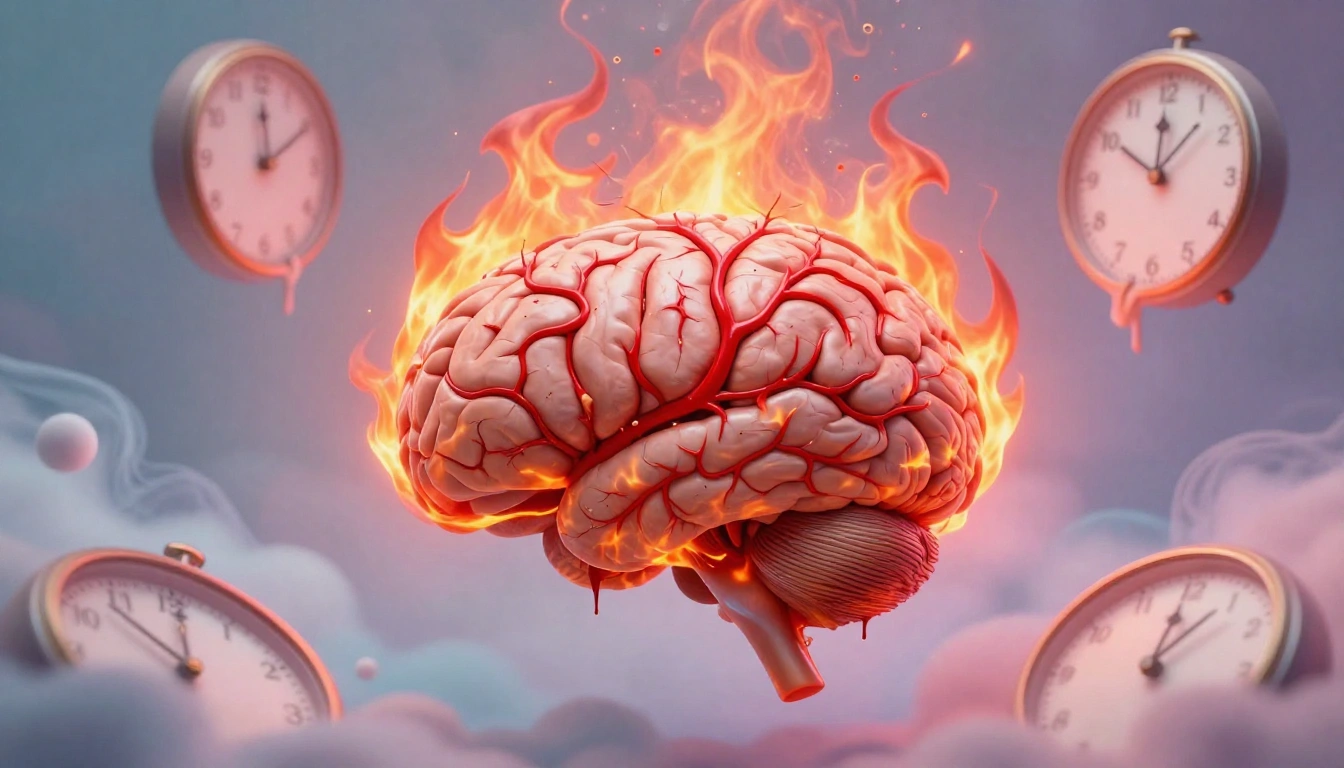
At any given moment, most of us are living with too many “open tabs” in our minds. Not the literal browser ones, though those don’t help, but the mental kind. The unfinished conversations, the tasks we said we would get to, the decisions we keep postponing, the emotions we haven’t fully processed. They sit quietly in the background, not loud enough to demand attention, but present enough to drain it. Over time, this creates a kind of cognitive clutter that feels like constant low-level noise.
What do we mean by “open tabs”?
Think of your mind like a browser with dozens of tabs running at once. Some are active, like replying to emails or finishing an assignment. Others are just there, minimized but not closed. Maybe it is a message you need to respond to but don’t know how to. A career decision you keep circling back to. A lingering disagreement with someone. These are not urgent in the moment, but they take up space.
The mental load comes not just from doing things, but from holding them in awareness. It is the effort of remembering, tracking, and returning to them that quietly exhausts us.
Why open tabs feel so heavy
The human brain does not love unfinished loops. There is a psychological tendency, often linked to what researchers call the Zeigarnik effect, where incomplete tasks stay more active in our memory than completed ones. So even when you are trying to relax, your mind keeps nudging you about what is unresolved.
But it is not just about memory. Open tabs carry emotional weight. A pending task might hold anxiety. An unresolved conversation might carry discomfort or guilt. A delayed decision might come with self-doubt. This is why even “small” unfinished things can feel disproportionately heavy.
Signs you are carrying too many open tabs
Sometimes we don’t realise how crowded our mental space has become. A few subtle signs tend to show up:
- You feel tired even when you haven’t done much physically
- It is hard to focus on one task without thinking about others
- You keep switching between activities without finishing them
- There is a constant sense of “something pending” in the background
- Rest feels unproductive or slightly uncomfortable
These are not signs of inefficiency. They are signs of overload.
Closing tabs vs managing them
The obvious solution might seem like “just finish everything,” but that is neither realistic nor necessary. The goal is not to have zero tabs. It is to reduce unnecessary mental holding.
One way to do this is by externalising your tabs. Writing things down, setting reminders, or even making a simple “later list” tells your brain that it does not need to keep everything active. Another approach is intentional closure. This could mean sending that message even if it is imperfect, making a small decision instead of waiting for the perfect one, or consciously deciding to not act on something at all.
There is also value in emotional closure. Not every tab is a task. Some are feelings we have avoided processing. Taking time to sit with them, even briefly, can reduce their intensity.
Conclusion
The mental load of open tabs is less about how much we are doing and more about how much we are holding. When too many things remain unresolved, even simple days can feel heavy. Learning to close, organise, or gently set aside these tabs is not about becoming hyper-productive. It is about creating mental space. And in that space, we often find something we did not realise we were missing: a quieter, more settled mind.