
When Strength Stops Being a Choice
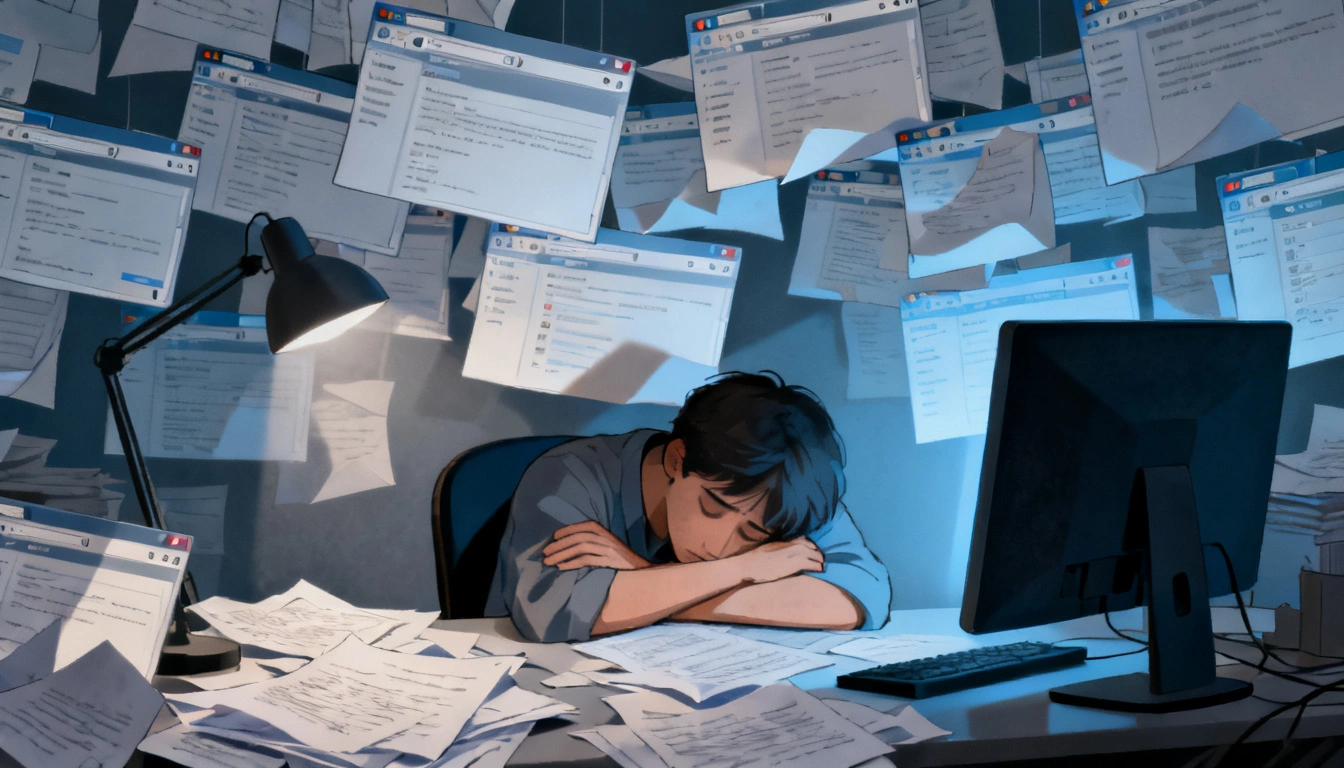
Most people don’t wake up one day and decide to become “the strong one.” It happens gradually. You handle things well once, then twice, and soon you’re the person everyone leans on. At home, you’re the calm one. At work, you’re dependable under pressure. In friendships, you’re the listener, the fixer, the one who never “falls apart.”
Being the strong one emotionally is often framed as resilience. But the emotional impact of being strong is rarely talked about honestly. Strength, when it becomes constant and compulsory, comes with a cost.
The Science Behind the Burnout No One Sees
Psychological research has long pointed to emotional labor as a major contributor to burnout. Hochschild’s work on emotional labor showed that managing emotions for the sake of others, especially when it’s expected, is mentally exhausting. Add to this the mental load of tracking everyone’s needs, moods, and crises, and you get a recipe for chronic emotional strain.
What makes this worse is that this work is invisible. No one applauds you for regulating your emotions or staying composed when you’re overwhelmed. Yet studies consistently show that unacknowledged emotional labor increases emotional exhaustion and disengagement over time.
What Happens When You Are Always the Strong One
This is where things get quietly messy. What happens when you are always the strong one isn’t a dramatic breakdown. It’s subtle erosion.
You might start noticing:
- Emotional exhaustion from being strong for others, even on days that look “normal”
- Feeling disconnected from your own emotions because you’re always managing everyone else’s
- Guilt when you express vulnerability, like you’re inconveniencing people
- Burnout that doesn’t go away with rest, because it’s emotional, not physical
- Resentment in close bonds, especially when support isn’t returned
Research on chronic stress shows that suppressed emotions don’t disappear. They resurface as irritability, numbness, anxiety, or feeling constantly on edge.
Always Being the Strong One in Relationships
In relationships, this role can quietly skew the balance. Always being the strong one in relationships often means you become the emotional container. You hold space, offer reassurance, and keep things steady. Over time, your own needs become secondary, sometimes even to you.
Attachment research suggests that when one partner consistently suppresses vulnerability, intimacy suffers. Not because they don’t care, but because emotional honesty has no room to breathe.
The Hidden Emotional Cost of Being Strong
The hidden emotional cost of being strong is not weakness. It’s isolation. When people see you as “the strong one,” they stop checking in. You start feeling unseen, even when surrounded by people.
Burnout here isn’t about doing too much. It’s about feeling too little of your own emotions, for too long.
Redefining Strength Before It Breaks You
Being the strong one emotionally does not mean being endlessly available or emotionally silent. Research on resilience consistently shows that real resilience includes emotional expression, boundaries, and shared support.
Strength can look like saying, “I don’t have the capacity right now.” It can look like letting someone else hold the weight for once. It can look like allowing your emotions to take up space.
Because strength that costs you your emotions is not strength. It’s survival mode. And you deserve more than that.