
The paradox of solitude-based coping in socially starved lives
Self-care is often sold as the answer to loneliness. Take a bath, journal, go on solo dates, learn to enjoy your own company. And sometimes, that works. But for many people, especially those already feeling socially starved, certain forms of self-care quietly deepen the very loneliness they are meant to soothe.This is where self-care and loneliness intersect in uncomfortable ways.The problem is not self-care itself. It is the type of self-care we lean on, and the emotional context in which we use it.
When solitude-based coping becomes the default
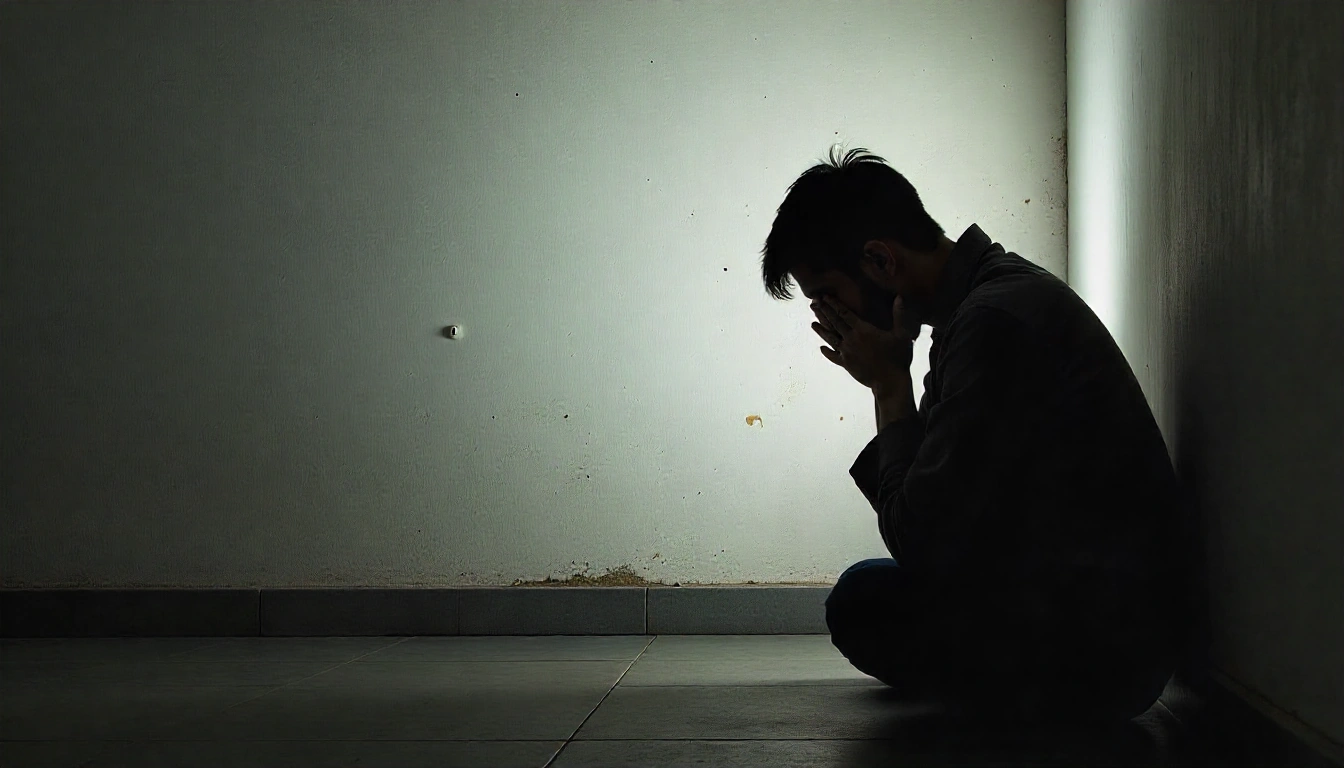
Solitude-based coping includes activities we do alone to regulate emotions. Reading, meditating, long walks, watching comfort shows, journaling, even therapy homework done in isolation. These are not harmful. In fact, they are often necessary.But when emotional loneliness or social isolation is already present, spending more time alone can start to feel less restorative and more reinforcing.
Imagine someone who works remotely, lives away from friends, and already goes days without meaningful conversation. Their self-care routine might look impressive from the outside. Morning yoga, evening journaling, digital detoxes, early nights. Yet internally, the sense of disconnection grows. The body calms, but the social hunger remains unmet.This is why many people quietly wonder why self-care can make you feel lonely, even when you are doing everything “right.”
The loneliness paradox of self-care
Self-care asks us to turn inward. Loneliness asks for outward connection. When we respond to loneliness only by going inward, the mismatch can intensify the pain.There is also a subtle emotional message embedded in some self-care narratives. That you should be able to meet all your needs by yourself. That needing others means you are dependent or weak. Over time, this can make people suppress relational needs rather than express them.This is especially true for emotional loneliness, where what is missing is not people, but being emotionally seen. A face mask or solo trip cannot replace that.
Signs your self-care might be increasing isolation
Not all alone time is isolating. But these signs are worth noticing-
- You feel calmer during the activity, but emptier afterward
- You avoid reaching out because you tell yourself you should handle it alone
- Your self-care routines replace social plans rather than support them
- You feel guilty for wanting connection after spending time alone
- Solitude feels compulsory rather than chosen
When self-care increases feelings of isolation, it is often because it is being used as a substitute for connection rather than a complement to it.
Is spending time alone healthy or isolating?
The difference lies in choice and balance.Healthy solitude feels grounding and flexible. You can enjoy it and leave it. Isolating solitude feels rigid. You stay alone because reaching out feels harder, awkward, or pointless.Self-care becomes most effective when it expands our capacity to connect, not when it shrinks our social world.
Coping with loneliness through self-care, but differently
This does not mean abandoning solitude-based coping. It means widening the definition of self-care to include relational nourishment.Sometimes self-care looks like sending the message you have been drafting for days. Sometimes it is joining something even when it feels uncomfortable. Sometimes it is letting yourself be witnessed rather than endlessly self-soothing.Tools like Healo can help here, not as a replacement for human connection, but as a bridge. A space to process emotions, notice patterns, and gently encourage outward movement when isolation starts masquerading as independence.
Self-care was never meant to make us self-sufficient islands. It was meant to help us survive, and eventually, reconnect.