What are Chakras?
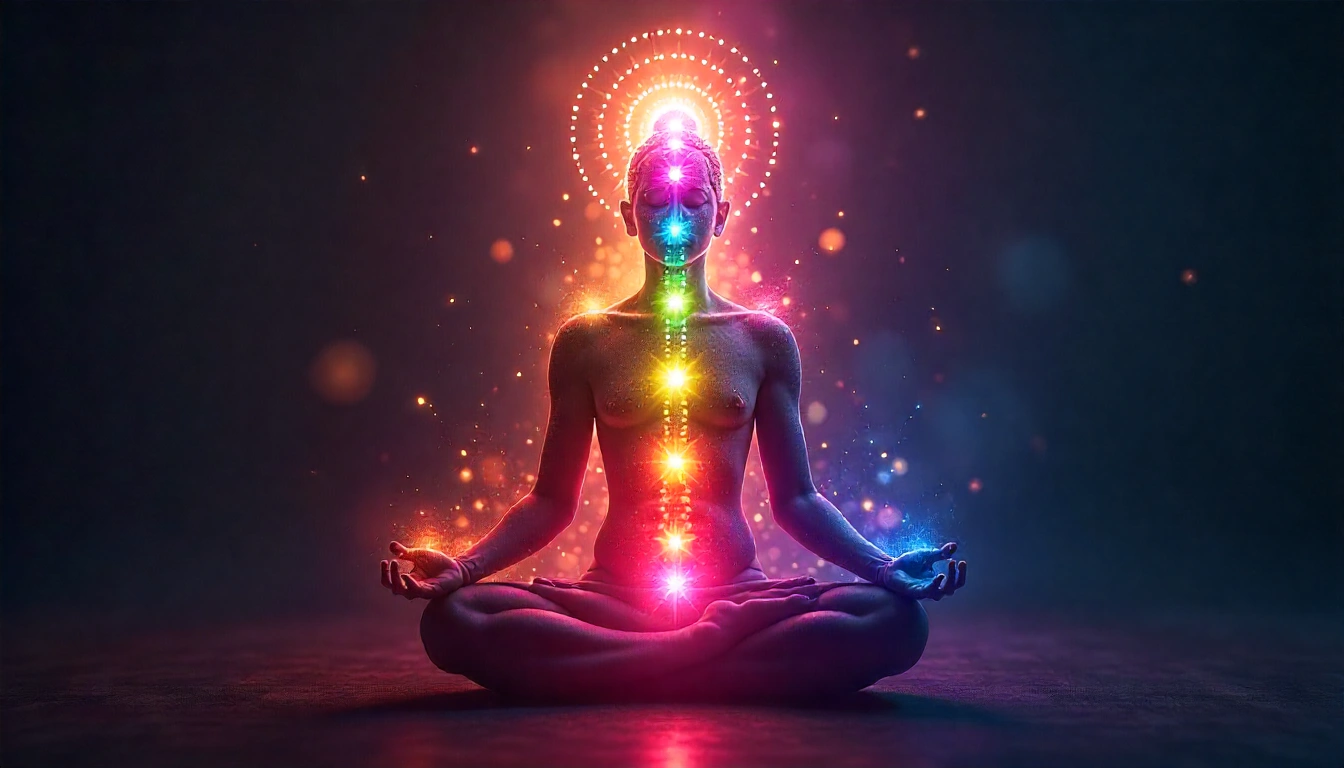
Ever noticed a tight chest during an argument or a flutter in your gut before a big decision? That’s your body communicating before your mind catches up. Chakra psychology understands these signals as part of a deeper mind–body conversation. Chakras are ancient energy centers that run along the spine, and today, many of their themes are echoed in modern psychology through emotional patterns, behavior, and nervous system responses. Think of chakras as seven interconnected gateways, each shaping a different layer of your inner world from safety and pleasure to confidence, connection, insight, and purpose. Exploring them isn’t about mysticism; it’s a gentle, practical way to understand why you react the way you do and how stress, relationships, and ambition show up in your body and emotions.
Root Chakra: Your Foundation of Safety
Located at the base of the spine, the root chakra represents stability, security, and your sense of grounding in the world. When this center feels imbalanced, it may show up as constant worry, fear of change, money anxiety, or inherited family stress patterns. Grounding practices like walking barefoot on natural surfaces or visualizing a steady red glow can help calm survival-based tension and restore a sense of support. If themes of insecurity or restlessness feel familiar, you may find it helpful to explore your Root Chakra patterns through our Root Chakra Test
Sacral Chakra: The Spark of Joy and Flow
The sacral chakra, located in the lower belly, governs creativity, pleasure, emotional expression, and connection to joy. When blocked, life can feel rigid or emotionally flat, and expressing desires may feel uncomfortable or unsafe. Gentle movement, time near water, or playful, creative activities help reawaken flow and emotional ease. If joy or self-expression feels restricted lately, our Sacral Chakra assessment can offer insight into what may be holding you back.
Solar Plexus Chakra: Your Inner Confidence Center
Situated in the upper abdomen, the solar plexus chakra is linked to self-esteem, decision-making, and personal power. Imbalances often appear as self-doubt, people-pleasing, difficulty asserting boundaries, or a persistent tightness in the stomach. Deep belly breathing and affirmations that reinforce self-trust can strengthen this center and restore inner clarity. If confidence and decision-making feel challenging, you can explore your Solar Plexus Chakra patterns through our guided test.
Heart Chakra: The Bridge of Connection
At the center of the chest, the heart chakra connects emotion with embodiment. It governs love, compassion, forgiveness, and emotional balanceboth toward others and yourself. When weighed down by unresolved hurt, this space may feel guarded, heavy, or emotionally exhausting. Breathwork, soothing green imagery, and small acts of kindness help soften emotional armor and reopen connection. If you notice difficulty with closeness or emotional openness, our Heart Chakra testmay help you reflect on what needs care.
Throat Chakra: Speak Your Truth
The throat chakra supports communication, self-expression, and authentic voice. When this center is blocked, emotions remain unspoken, boundaries blur, or you may struggle to articulate your needs. Practices like journaling, humming, or mindful pauses before speaking can gently clear this space and restore expressive flow. If you often feel unheard or hold things in, our Throat Chakra assessment can help you understand these patterns better.
Third Eye Chakra: Your Inner Wisdom Guide
Located between the eyebrows, the third eye chakra relates to insight, intuition, focus, and mental clarity. Overthinking, constant mental noise, or confusion can cloud this center. Quiet reflection, candle gazing, or mindful stillness can help calm the mind and allow intuitive understanding to surface naturally. If clarity feels elusive or your mind feels overstimulated, you may benefit from exploring your Third Eye Chakra through our self-awareness test.
Crown Chakra: Connection to Meaning and Purpose
At the top of the head, the crown chakra represents purpose, meaning, and a sense of connection beyond the self. When balanced, life feels guided and expansive; when blocked, people may feel disconnected, directionless, or spiritually fatigued. Meditation, silence, or time spent reflecting on the bigger picture can restore a sense of alignment. If you’re feeling disconnected from meaning or direction, our Crown Chakra assessment can support deeper reflection.
Conclusion
In today’s fast-paced world, chakra psychology offers a grounded roadmap to emotional balance and self-awareness. It helps translate vague stress into understandable patterns, allowing you to notice where you may be stuck and how to gently shift. These energy centers don’t label you, they offer insight, helping you build resilience, creativity, and inner calm through everyday awareness. When your chakras feel aligned, life often feels lighter, clearer, and more connected.