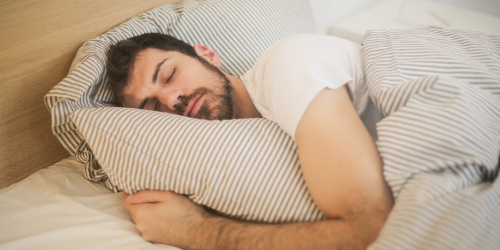
Sleep is often one of the most coveted and underrated things for us humans. There is always a longing for sleep, yet there is never enough time for it in our fast-paced society. We know how important sleep is, but it is always the first thing we end up sacrificing for productivity, or procrastination.
Lack of sleep is believed to be the cause of many health problems, including heart disease, kidney disease, high blood pressure, diabetes, stroke, obesity, and depression. Studies also suggest that insufficient or poor-quality sleep can contribute to shortening our lifespans by causing a host of health issues. Mental health is also known to be a contributor and a consequence of disturbed sleep. This makes sense, our bodies require rest, to recover to heal, and to do all the necessary bodily functions that can’t be done while we are awake. However, when one is already struggling with chronic physical or mental health issues lack of sleep is often exacerbated by it. Studies even suggest that brain activity during sleep directly affects the same. Before we can look into the effects of sleep on mental health and what it entails, we should look into the science of sleep and what it means.
Science of sleep
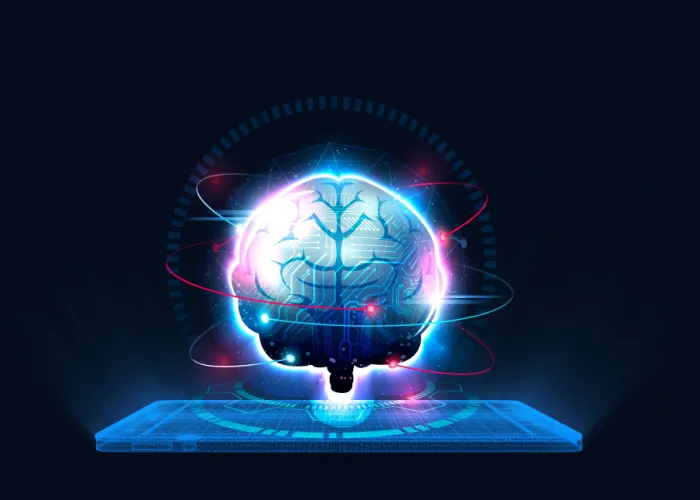
During sleep, your brain undergoes essential processes that support nerve cell communication and overall brain function. It's fascinating to note that your brain and body remain highly active during this restful state. Recent discoveries even indicate that sleep serves a vital role in clearing out toxins that accumulate in the brain while you are awake. Several parts of the brain are active during the sleep cycle, namely the hypothalamus, brain stem, thalamus, pineal gland, basal forebrain, and amygdala. They act as control centers affecting sleep and arousal.
REM & Non-REM sleep
There are two basic types of sleep: rapid eye movement (REM) sleep and non-REM sleep (which has three different stages). Each is linked to specific brain waves and neuronal activity. You cycle through all stages of non-REM and REM sleep several times during a typical night, with increasingly longer, deeper REM periods occurring toward morning. REM sleep first occurs about 90 minutes after falling asleep. Your eyes move rapidly from side to side behind closed eyelids. Most of your dreaming occurs during REM sleep, although some can also occur in non-REM sleep. Memory consolidation most likely requires both non-REM and REM sleep.
Sleep mechanisms
Our body has two internal systems that control when we sleep and when we wake up. The first one is called circadian rhythm, and it regulates various functions such as our level of alertness, body temperature, metabolism, and hormone release. The second system is called sleep-wake homeostasis, and it keeps track of our need for sleep. It tells our body when it's time to sleep and regulates how deeply we sleep.
How are mental health and sleep related to one another?
As discussed above, we know that mental health often gets affected by and ends up affecting our sleep. Sleep can be deeply affected by
- 1. Depressive episodes- Depressive episodes often lead to either an increase or a significant decrease in the number of hours an individual sleeps. Sleep becomes an escape for those struggling with their mental health. Being asleep is a lot easier for people than staying awake. Alternatively, depressive episodes can also hinder sleep and cause insomnia in a lot of individuals who struggle with depression.
- 2. Anxiety and overthinking- A lot of people who live with chronic anxiety find themselves lying awake at night overthinking or experiencing panic or anxiety attacks. During the night time when the world tends to become silent anxiety often overtakes people’s minds which can be extremely distressing and make it difficult for people to fall asleep.
- 3. Trauma & PTSD- Trauma can also influence the body's sleep patterns, decreasing the quantity of REM sleep, which is essential for memory consolidation. Trauma can also cause TSD, Trauma associated sleeping disorder which is a newly identified type of parasomnia. It involves the impact of a traumatic experience on an individual's sleep. This disorder includes trauma-related nightmares and disruptive behaviors during sleep, demonstrating the significant effect of trauma on sleep patterns and behaviors.
- 4. ADHD - ADHD has been shown to have cause insomnia in people, it can increase the time it takes to fall asleep, the chance of sleep disruptions, and the risk of sleep deprivation. Anumber of sleep disorders have also been known to be associated with ADHD such as insomnia, Sleep-Disordered Breathing, Circadian Rhythm Sleep Disorders, Restless Legs Syndrome, etc. Try Our ADHD Test
- 5. Chronic pain- Chronic pain and disability can predict depression and sleep quality differently. Poor sleep quality completely mediates the connection between chronic pain and depression. Higher chronic pain leads to worse sleep, which then leads to more severe symptoms of depression.
- 6. Autism Spectrum Disorder- Both autistic adults and children often face challenges with sleep. It is well-documented that autism is correlated with sleeping disorders and difficulties with sleep quality
How can the science of sleep help Improve Sleep Habits?
Now that we understand what the science of sleep is, and how mental health issues are affected by sleep, we can look into some possible strategies to improve sleep patterns and quality of sleep. There isn’t a correct answer to how much sleep a person requires as it may vary from person to person depending on their age, gender, lifestyle, etc. What is important is to understand what steps can be taken to bring a change that could potentially help in improving not just the quality of life but also sleep. While sleep isn’t a cure for mental illnesses neither does it solve the problems an individual may have but it is safe to say that if one feels well rested and recovered it at the very least does make a few things easier. While this isn’t a solution to all problems, there is a way we can bring about changes and make healthy choices for ourselves.
- 1. Increase bright light exposure during the dayYour body has a natural time-keeping clock known as your circadian rhythm. It affects your brain, body, and hormones, helping you stay awake and telling your body when it’s time to sleep. Natural sunlight or bright light during the day helps keep your circadian rhythm healthy. This improves daytime energy, as well as nighttime sleep quality and duration.
- 2. Improving sleep hygiene Your body has a natural time-keeping clock known as your circadian rhythm. A common cause of sleeping problems is poor sleep hygiene. Stepping up sleep hygiene by cultivating habits and a bedroom setting that is conducive to sleep can go a long way in reducing sleep disruptions. Finding the best routines and bedroom arrangement may take some trial and error to determine what’s best for you, but that process can pay dividends in helping you fall asleep quickly and stay asleep through the night.
- 3. Don’t consume caffeine late in the day Your body has a natural time-keeping clock known as your circadian rhythm. Caffeine has numerous benefits and is consumed by 90% of the U.S. population. A single dose can enhance focus, energy, and sports performance. However, when consumed late in the day, caffeine stimulates your nervous system and may stop your body from naturally relaxing at night.
- 4. Consistency is key Try to keep a consistent sleep schedule, waking up around the same time even on weekends. Set a bedtime that is early enough for you to get at least 7 hours of sleep. However, don’t go to bed unless you are sleepy. Establish a relaxing bedtime routine that helps to transition from your day.
- 5. Create a healthy sleep environment avoid bright lights and loud sounds, keep the room at a comfortable cool temperature, and try to limit electronics in your bedroom. Avoid caffeine and nicotine late in the day and limit alcoholic drinks before bed.
- 6. Regular exercise Based on research there is a lot of evidence that regular exercise does improve quality of sleep. It doesn’t have to be an intense workout, simple low-impact workouts, a walk around the block, or a good stretching session all of them could make a significant difference. Exercise also releases feel-good hormones which in turn help improve your mental health as well.
Another helpful tool for maintaining healthy sleep patterns addressing the challenges is the AI mental health AI Assistant called Healo. Healo can provide support and solutions during difficult times by lending a listening ear and offering assistance.
Conclusion
Our lifestyles and mental health are deeply intertwined. Facing severe struggles has a deep impact on other aspects of our lives, and vice versa. In our hectic world, small acts of self-preservation are the best gifts you can give yourself. Allowing yourself to make choices that are healthy for you and for your sustenance is important. Without good mental health, our sleep, eating, and joy are the first things we end up sacrificing. We end up depriving ourselves of the very things we need to stay alive. Making small choices, even during bad mental health days, can make a big impact. Therefore, it is important to understand and learn what our body needs from us and how we can provide that. Rest is one of the most crucial aspects needed by the human body, and the science of sleep can help us understand what it is and how we can achieve it.