Social media loves to talk about the term neurodiversity but what does it actually mean? Well, to put it simply, “Neurodiversity is the idea that there’s natural variation in how people’s brains work and how people experience, understand, and interact with the world. This means there are natural differences in the way people learn and communicate.”
As the name itself suggests it represents the diversity in mental abilities and the acknowledgment that people can be different, and function differently and that is completely okay.
What makes someone neurodivergent?
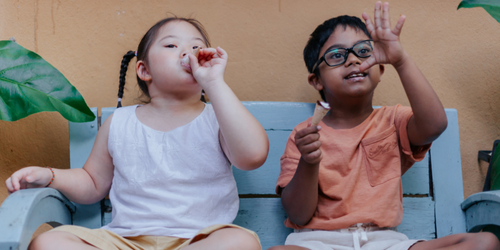
There are certain neurodevelopmental and psychological disorders that affect individuals' overall abilities, making them different from their peers in their behavior, brain functioning, emotions, etc. Their brain develops differently before birth and during childhood, and affects how someone communicates, behaves, and responds to the world around them. Again, this doesn’t necessarily mean that having these disorders is innately bad or wrong. As mentioned earlier it represents diversity and acknowledges it. Neurodivergent children are also often called Children With Special Needs or CWSN.
The disorders that lead to neurodivergence are;
- Autism spectrum disorder (this includes what was once known as Asperger’s syndrome).
- Attention-deficit hyperactivity disorder (ADHD).
- Down syndrome.
- Dyscalculia (difficulty with math).
- Dysgraphia (difficulty with writing).
- Dyslexia (difficulty with reading).
- Dyspraxia (difficulty with coordination).
- Intellectual disabilities.
- Mental health conditions like bipolar disorder, obsessive-compulsive disorder, and more.
- Prader-Willi syndrome.
- Sensory processing disorders
- Social anxiety (a specific type of anxiety disorder).
- Tourette syndrome.
- Tourette Williams syndrome..
Impact of neurodivergence on childhood
Being neurodivergent means that your communication, the way you express yourself, the way you receive and understand the world around you, your behaviour, and your emotional patterns are all different from that of neurotypical folks. So understandably children can face difficulties because of it. Especially in school and during learning. These differences can be difficult for an adult to navigate as well. Often times people get diagnosed much later in life, especially women. So a lot of children do not get an official diagnosis. This can create a lot of challenges for children with their families, peers, and even in academics. They may be called lazy, or different, or struggle with relationships and socialization. They may face significant issues in learning as well which if not addressed or cared for can create a lot of stigma and even emotional and behavioural issues.
https://healo.infiheal.com/