Western psychological models ranging from cognitive-behavioral therapy (CBT) to psychodynamic approaches have dominated global mental health discourse for decades. They provide robust frameworks for understanding human behavior, emotion, and cognition. Yet, when applied in non-Western spiritual contexts, these models often encounter limitations. Understanding why requires examining both the assumptions underlying Western psychology and the cultural-spiritual landscapes of non-Western societies.
The Cultural Lens of Western Psychology
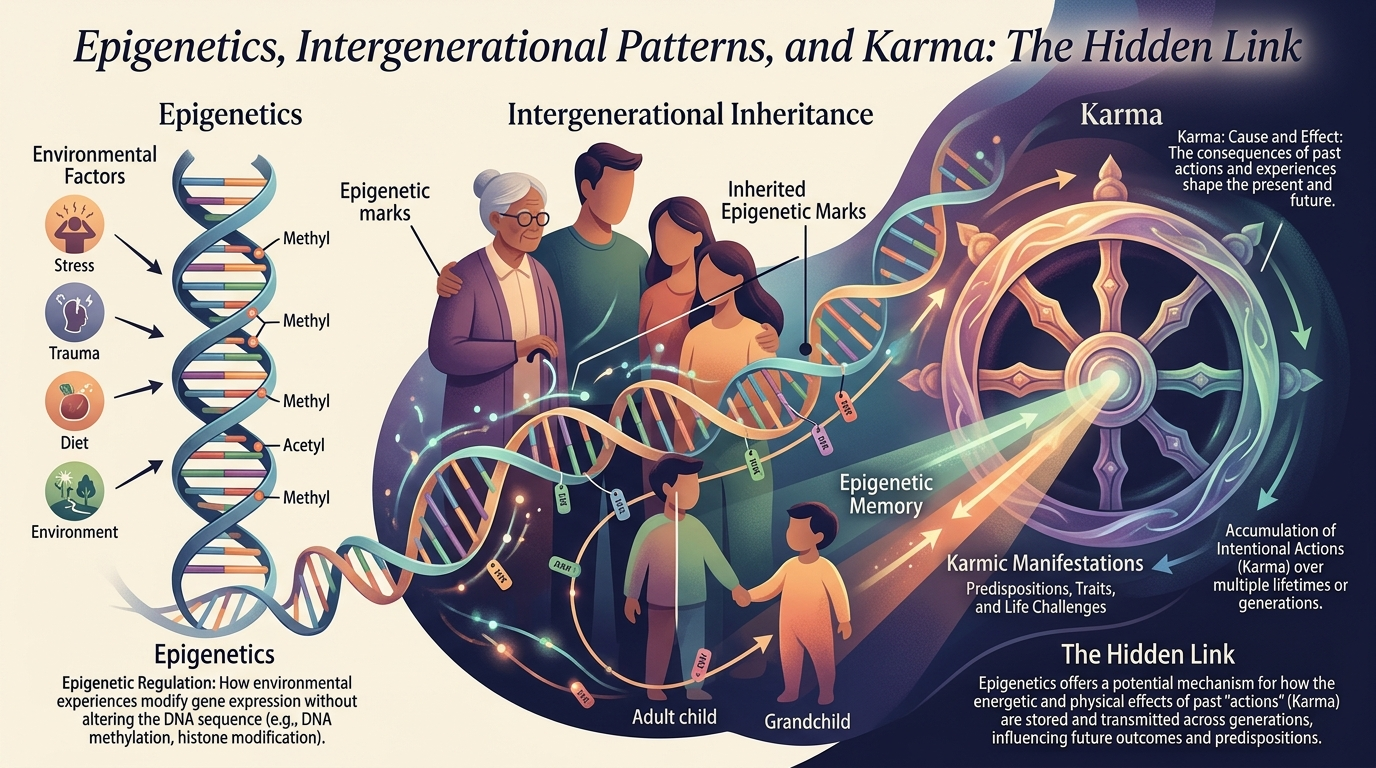
At their core, most Western psychological models are individualistic, emphasizing personal autonomy, self-reflection, and internal cognitive processes. Success is often measured by personal achievement, symptom reduction, or self-actualization. While these principles are effective in many Western settings, they do not always align with collectivistic, spiritually oriented worldviews, where identity, wellbeing, and meaning are deeply embedded in relationships, community, and spiritual practices. For instance, the Western focus on verbal expression and introspection may conflict with cultures that value embodied knowledge, ritual, and non-verbal transmission of wisdom. In such contexts, feelings and mental states are often understood through spiritual frameworks karma, dharma, ancestral guidance, or energetic balance rather than purely psychological constructs.
Spirituality and Meaning: Beyond Symptoms
Western models often conceptualize mental health as the alleviation of symptoms, maladaptive behaviors, or cognitive distortions. While symptom reduction is important, it may overlook spiritual suffering, existential questions, and culturally specific experiences of meaning. In many non-Western contexts, distress is not experienced solely as a psychological malfunction but as a spiritual imbalance. Anxiety, depression, or existential crisis might be interpreted through the lens of disrupted life purpose, disconnection from ancestors, or imbalance in spiritual energies. A strictly Western therapeutic approach may fail to address these dimensions, leaving individuals feeling misunderstood or culturally alienated.
The Limits of Individualistic Interventions
Many Western therapies center on individual agency: changing thought patterns, asserting boundaries, or developing self-efficacy. While powerful, these approaches can inadvertently clash with community-oriented cultures, where identity is relational and well-being is co-constructed within family, tribe, or spiritual community. In these contexts, interventions that do not account for collective values, social rituals, and interdependent self-concepts may feel incomplete or even culturally inappropriate. For example, asking someone to focus on self-assertion in a culture that prioritizes filial duty or communal harmony may create tension, guilt, or resistance. Similarly, cognitive reframing that ignores spiritual interpretations of suffering may fail to resonate, limiting both engagement and efficacy.
Integrating Spiritual and Cultural Knowledge
Recognizing these gaps does not invalidate Western psychology; rather, it calls for integration and cultural adaptation. Approaches like narrative therapy, mindfulness-based interventions, and culturally sensitive psychotherapies demonstrate that psychological frameworks can be enriched by including spiritual, relational, and communal dimensions. Narrative therapy, for instance, encourages individuals to externalize problems and re-author their life stories. When applied in a spiritual context, these stories may include ancestral guidance, ritual practices, or cosmological symbolism bridging psychological insight and spiritual meaning. Similarly, mindfulness practices derived from Eastern traditions highlight how embodied awareness and meditative reflection can complement symptom-focused Western interventions.
Conclusion
Western psychological models offer valuable insights, but they are not universally sufficient. Non-Western spiritual contexts highlight the need for culturally informed, spiritually sensitive, and flexible approaches that honor both the mind and the deeper existential frameworks through which humans understand themselves and their world.