Introduction
In today’s age, with the increasing use of psychological jargon or as netizens call it “therapy speak”, a lot of people have various views on what they potentially might have or what others might have. Unfortunately, the range of psychological concerns are not seen as a spectrum, rather everything is looked at as trauma or disorder. As a society, this kind of mass ideology leans us towards a linear model of traditional psychotherapy that processes diagnostics and causes rather than looking at concerns as a process level damage. This blog invites you to look at psychological distress as repetitive strain injuries of the mind. These micro-injuries form through chronic stress, unresolved interactions, emotional suppression, decision fatigue, and relational friction. Emotional healing involves looking at the micro-injuries and focusing on the process and dimensions of it rather than rushing to diagnose it. AI therapy takes the process approach and can help a user look at their distress in ways that they’ve never looked before
Why the Physiotherapy Metaphor Matters More Than Therapy Alone?
Accidents, injuries and surgeries are not the only incidents that require physiotherapy in the current era. Senior citizens, adults and even children are being recommended for physiotherapy for minor concerns like body pain, sprains, mobility issues etc. Learning from the physiotherapy framework, it’s now time to treat our emotional concerns the same way.
Emotional regulation, cognitive flexibility, and narrative coherence are basic mental functions, similar to balance and coordination in the body. Emotional regulation helps us manage feelings without overreacting. Cognitive flexibility allows us to shift perspectives instead of getting stuck. Narrative coherence helps us organise experiences into a story that feels stable and understandable. When these functions weaken, distress increases not because something is wrong with us, but because these systems are under strain.
Traditional therapy often focuses on insight, but understanding alone rarely changes emotional patterns. Most change happens through repetition and practice, not realisation.
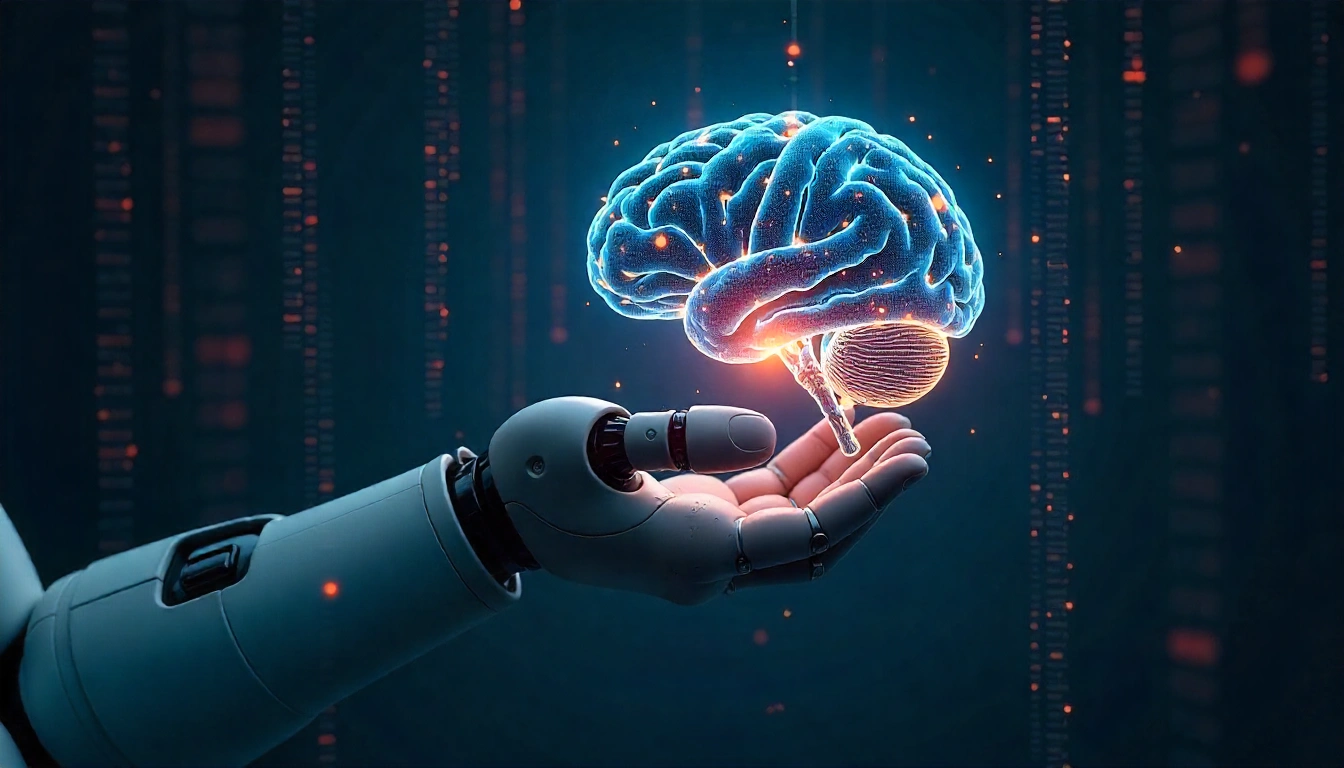
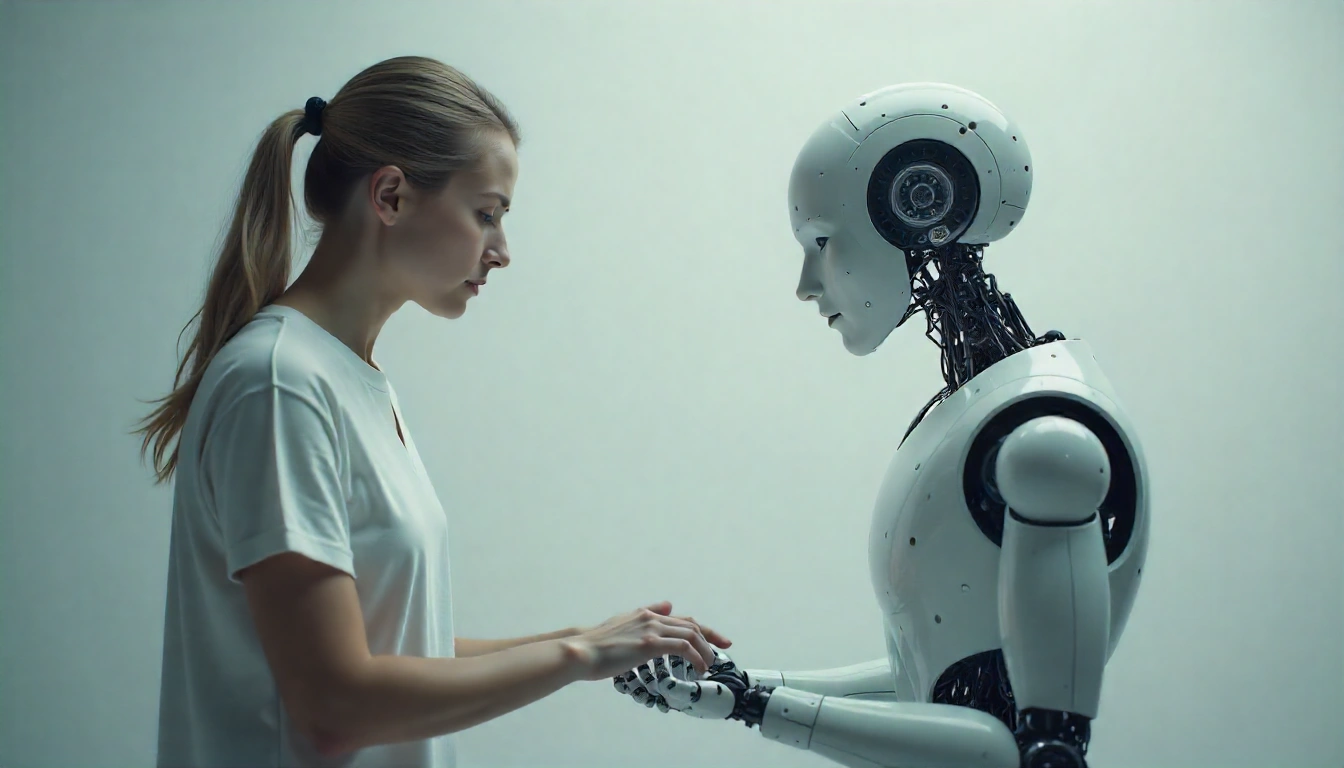
AI emotional therapy fits a rehabilitative model because it works through repeated reflection, feedback loops, and small adjustments. Like physiotherapy, it helps retrain emotional responses over time. It gently improves cognitive flexibility by offering alternative viewpoints without pressure and supports narrative coherence by helping people revisit experiences gradually, reducing emotional intensity.
Rather than replacing human therapy, AI emotional therapy strengthens emotional foundations through steady, functional repair rather than dramatic insight.
The invisible layer of healing humans rarely notice
Most emotional regulation happens below conscious awareness. Interoception refers to our ability to sense internal states such as tension, calm, or emotional discomfort, yet we often notice these signals only when they become intense. Predictive processing means the brain is constantly guessing what will happen next based on past experiences, which is why old emotional patterns repeat automatically. Cognitive load theory explains that when the mind is overwhelmed, there is little capacity left to reflect or self-correct. Together, these processes shape our emotional responses quietly and continuously.
Humans are not very good at noticing gradual internal shifts. Small improvements or deteriorations feel invisible because they happen slowly and without clear markers. This is where technology for mental health becomes uniquely powerful. AI systems are designed to track patterns over time, noticing changes in emotional language, response speed, and thought structure that humans often miss. Healing at this level is subtle, cumulative, and largely unconscious, yet deeply influential.
How AI actually interacts with micro-injuries beyond chatting
A common misconception is that AI therapy is only about conversation. In practice, AI systems such as Healo work through pattern recognition across emotional language over days or weeks, identifying recurring themes and emotional triggers. They can detect cognitive rigidity, such as repeated all-or-nothing thinking, and avoidance cycles that quietly maintain distress.
Through consistency, AI mental health companions like Healo can simulate corrective emotional experiences. Showing up in a predictable, non-reactive way helps retrain expectations around expression and response. Its non-evaluative presence also reduces shame, allowing users to explore thoughts they might withhold in human interactions. Together, these mechanisms quietly support emotional recovery, illustrating how AI supports mental health recovery without needing dramatic breakthroughs.
Conclusion
Emotional healing is often less about sudden insight and more about steady, unseen repair. By working at the level of patterns, repetition, and regulation, AI can support the emotional systems we rarely notice but constantly rely on. When positioned thoughtfully, technology becomes not a replacement for human care, but a quiet scaffold for long-term emotional resilience.