An Indian Workplace Shaped by Multiple Generations
Indian workplaces today are more diverse than ever not just in terms of roles or regions, but in the generations that share the office space. Walk into a corporate office in Bengaluru or a PSU in Delhi, and you’ll find Baby Boomers working alongside Millennials and even Gen Z. This mix has the potential to drive innovation and learning, but it also quietly gives rise to cross-generational tensions. Understanding these dynamics is essential for building cohesive, productive teams.
How Boomers Define Work, Loyalty, and Success
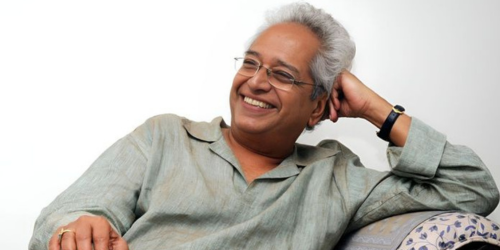
For many Boomers, work has always been closely tied to stability, hierarchy, and long-term loyalty. Careers were built gradually, often within the same organization, and respect was earned through years of dedication. Long hours were a badge of commitment, questioning authority was rare, and patience was considered a professional virtue. In India especially, career choices were deeply intertwined with family responsibilities and social expectations, making work more than just a personal pursuit, it was a statement of responsibility and reliability.
The Millennial Shift: Flexibility, Purpose, and Growth
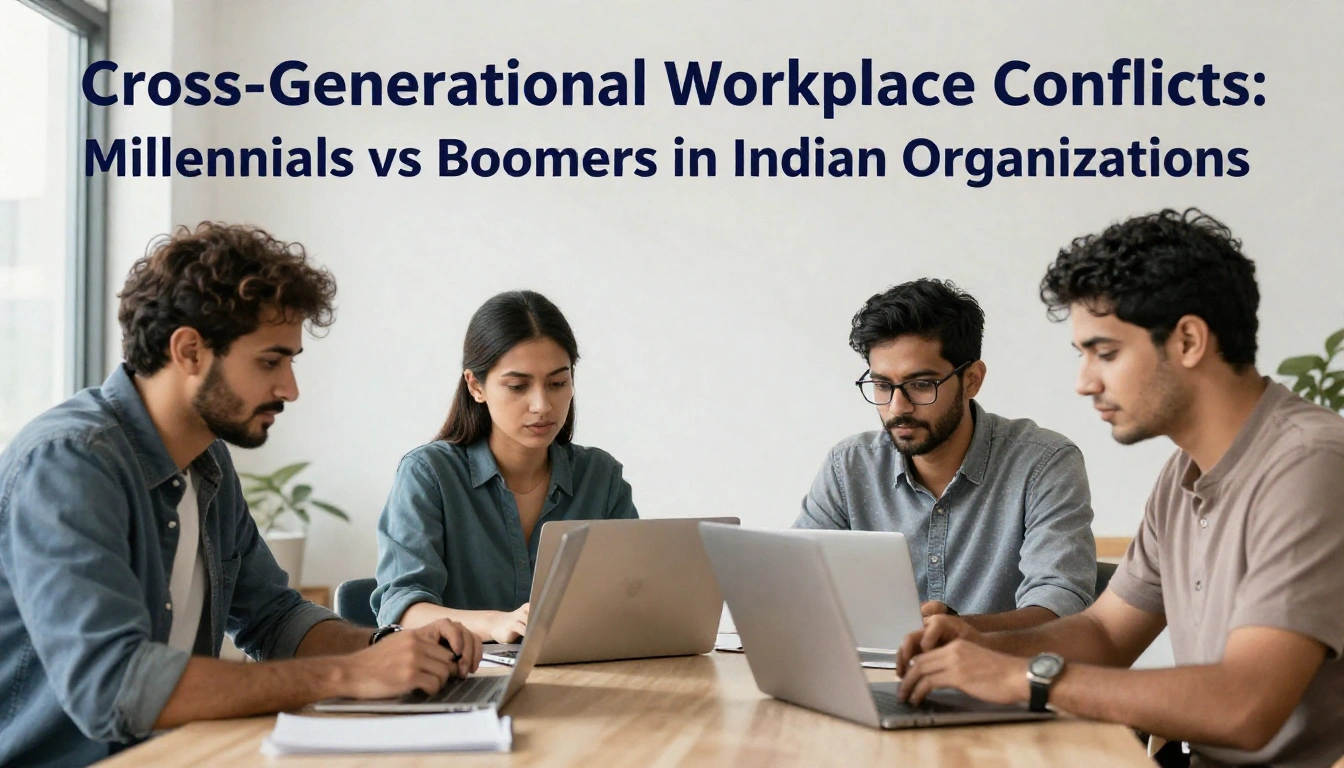
Millennials, in contrast, entered the workforce during a period of rapid globalization and digital transformation. Their understanding of work is shaped by technology, global exposure, and evolving conversations around mental health. Flexibility, purpose, and visible growth are as important as pay and job security. Millennials are more likely to question outdated processes, seek regular feedback, and prioritize balance. Unlike Boomers, respect is earned through collaboration and performance, rather than automatically based on seniority or tenure.
Where Everyday Work Expectations Begin to Clash
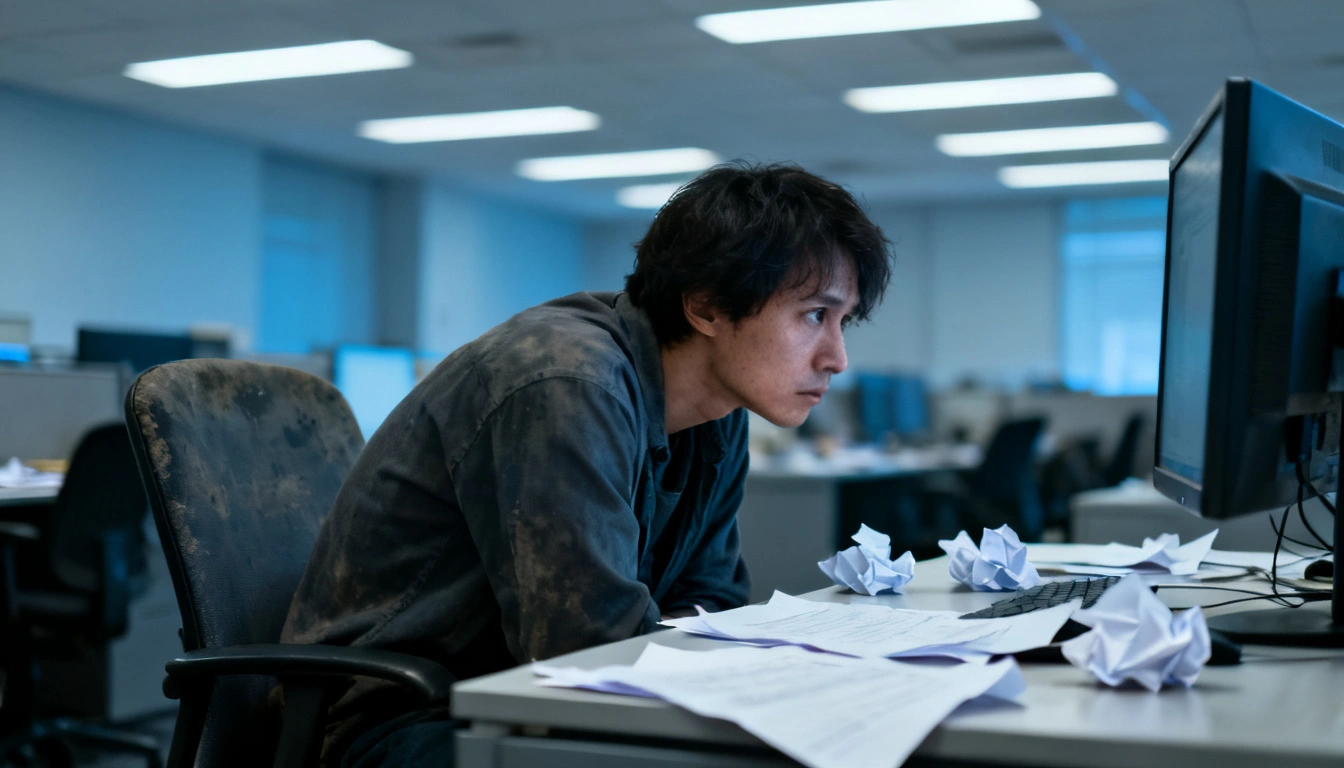
These contrasting values often surface in subtle, everyday moments. A Millennial requesting remote work or flexible hours may be perceived by a Boomer manager as lacking dedication. Conversely, Millennials may feel restricted by rigid schedules or micromanagement. What one generation sees as professional discipline, the other may experience as unnecessary rigidity. Misaligned expectations can lead to frustration on both sides if left unaddressed.
Communication Gaps Across Generations
Communication styles further deepen the divide. Boomers tend to prefer formal emails, structured meetings, and face-to-face interactions. Millennials, comfortable with instant messaging and collaborative platforms, often lean toward informal and rapid exchanges. When these styles collide, assumptions can replace understanding one side perceives the other as careless, while the other sees the first as resistant to change.
The Role of Age, Authority, and Culture in India
In Indian workplaces, cultural norms around age and respect play a significant role. Millennials may hesitate to challenge authority openly, fearing they will appear disrespectful, while Boomers may feel threatened by younger colleagues who navigate technology and innovation with ease. These dynamics can create defensiveness or disengagement, and the conflict often remains unspoken, manifesting subtly in behavior and decision-making.
Beyond the ‘Us vs Them’ Narrative
Framing workplace tensions as “Millennials versus Boomers” oversimplifies the issue. The real challenge is unspoken expectations and differing perspectives. Boomers bring institutional memory, emotional resilience, and nuanced understanding of organizational systems. Millennials bring innovation, adaptability, and fresh perspectives. When organizations foster mentorship, open communication, and collaboration, these differences become a source of strength rather than friction.
Turning Generational Differences into Organizational Strength
Cross-generational collaboration is not just possible, it can be transformative. By creating spaces for dialogue, promoting empathy, and valuing both experience and innovation, Indian organizations can harness the best of both worlds. Experience and wisdom can guide change, while curiosity and adaptability can drive progress. In India’s evolving professional landscape, generational differences are not obstacles; they are opportunities to create workplaces that are both grounded and forward-looking.