
Introduction
Growing up in India often feels like running a marathon that never ends and for teens, the finish line is usually defined by exams. From board exams to entrance tests like JEE and NEET, success is measured in marks, ranks, and cut-offs. But what does this relentless race do to a teen’s mind?
The Invisible Load on Their Minds
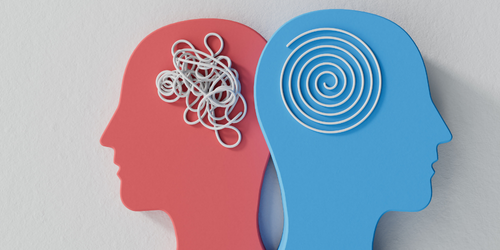
Imagine trying to juggle multiple balls at once. That's what studying for competitive exams can feel like. Teens are expected to memorize vast syllabi, attend school, coaching classes, and sometimes extra tutorials all while managing the social and emotional ups and downs of adolescence. Psychologists call this cognitive load: the amount of mental effort your brain can handle at one time. When it’s overloaded, focus drops, memory slips, and learning becomes mechanical rather than meaningful.
It’s not just about forgetting formulas or historical dates. Overloaded brains struggle to solve problems creatively, plan ahead, or make decisions skills that exams themselves supposedly measure. And when teens feel they can never catch up, frustration and self-doubt start creeping in.
Stress, Anxiety, and the Emotional Price
The emotional impact of this pressure is real. Teens live in a constant state of evaluation every test, every rank, every comparison with a peer can feel like a judgment on their worth. Performance anxiety is common: their mind races with “What if I fail?” and “Am I good enough?”
Research in psychology shows that constant stress triggers the body’s stress response, releasing cortisol. High cortisol over long periods can lead to sleep problems, mood swings, headaches, and even depression. Many teens start equating self-worth with marks, so even small setbacks feel catastrophic. The joy of learning fades, replaced by fear of failure and exhaustion.
The Social Ripple
Competitive exam culture doesn’t just affect the mind , it affects relationships. Teens may withdraw from friends, hobbies, or creative pursuits because everything feels like a distraction. Peer relationships can turn competitive rather than supportive, creating a “compare and despair” environment. Even family interactions can become stressful when expectations feel like pressure rather than encouragement.
Psychologists note that teens under excessive pressure often develop perfectionist tendencies , every task must be flawless, every exam must be aced. While it may seem productive, perfectionism adds extra mental load and heightens anxiety, creating a vicious cycle.
Finding Balance Without Losing the Race
It’s not about eliminating exams , they’re here to stay. But teens can learn to navigate this pressure with strategies rooted in psychology:
- Break it downStudying in small, focused sessions with breaks improves memory and reduces mental fatigue.
- Mindfulness mattersShort meditation or breathing exercises can calm racing thoughts and improve focus.
- Shift perspectiveViewing mistakes as opportunities to learn (a “growth mindset”) reduces fear of failure.
- Talk it outMentors, parents, or peers can provide emotional support, helping teens feel understood rather than judged.
Psychologists emphasize that teens who feel some control over their learning, experience competence in achievable tasks, and have supportive connections are far more resilient to stress.
Rethinking Success
In the end, competitive exams should challenge, not overwhelm. They should test knowledge, not dictate self-worth. A teen who learns to balance preparation with rest, reflection, and support is more likely to succeed and to enjoy the journey along the way.
The race will always be there, but a healthy mind doesn’t just run faster it runs smarter, with less strain, and with room to breathe, grow, and thrive.