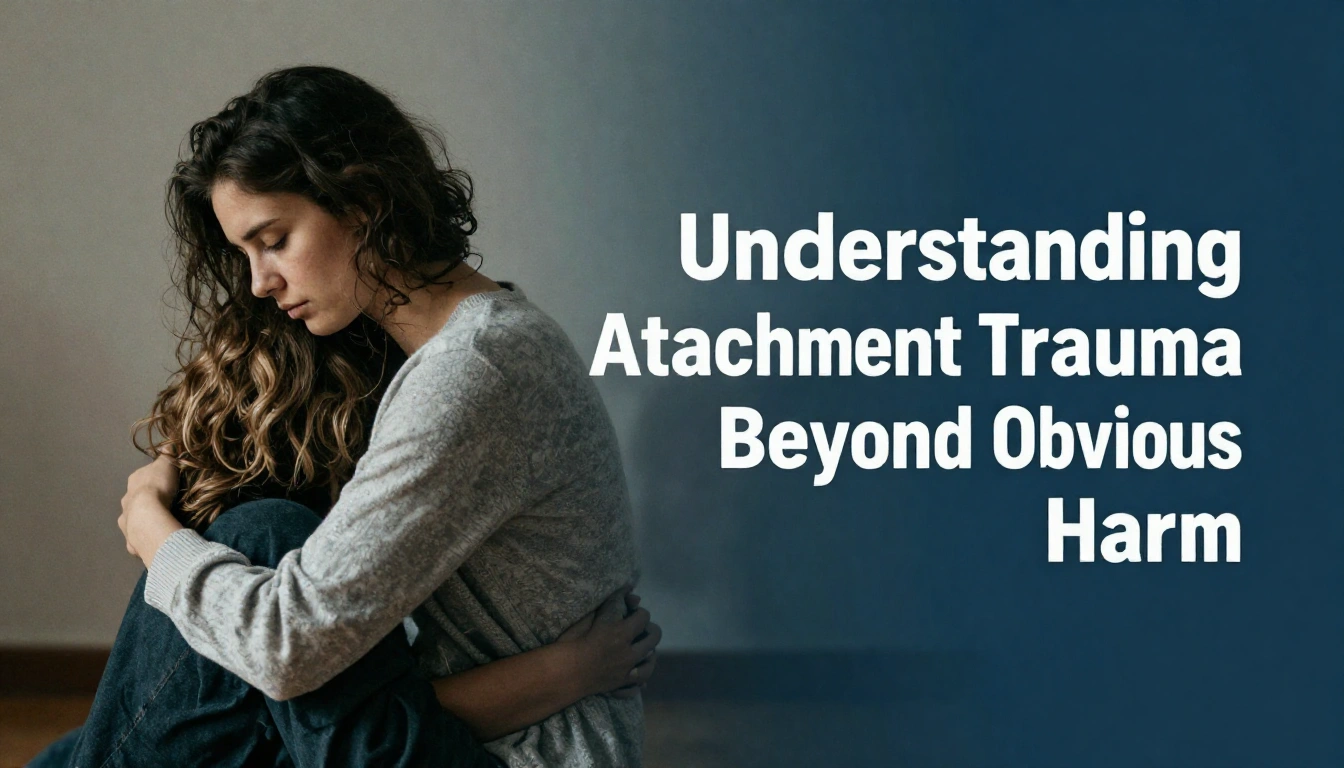

How nervous systems mistake calm for lack of chemistry
We often talk about relationships as if love must feel intense to be real. Excitement, anxiety, longing, and constant thinking are treated like signs of connection. Calm rarely gets the same respect. So when emotional safety feels boring, many of us assume something is missing. In reality, what may be missing is the familiar chaos our nervous system has learned to associate with love.
This is not a flaw in the relationship. It is a learned response in the body.
When calm feels unfamiliar to the nervous system
Imagine being in a relationship where you waited hours for replies and replayed conversations in your head. Your body stayed alert. Your heart raced when your phone buzzed. Now imagine being with someone who responds consistently, communicates clearly, and does not make you guess where you stand. This relationship is healthier, but it may feel strangely flat.
This is how the nervous system mistakes calm for lack of chemistry. The body is used to scanning for threat or change. When nothing needs to be monitored, the system feels under-stimulated. Calm begins to feel like boredom, even though emotional safety is present.
How attachment shapes what love feels like
Attachment experiences teach us what closeness is supposed to feel like. If love earlier in life was inconsistent, attention had to be earned. You had to stay emotionally alert to stay connected. Over time, that alertness became linked to intimacy.
As adults, this can lead to confusion. A stable partner may feel “too easy” or “not exciting enough.” Thoughts like “something is missing” often appear. This is why many people ask why healthy relationships feel boring. The nervous system expects intensity, not regulation.
A common example is missing an ex who caused anxiety while feeling emotionally neutral toward a kind and reliable partner. The mind understands the difference. The nervous system is still learning it.
What boredom in safe relationships often looks like
When emotional safety feels boring, it often shows up as restlessness. You may feel the urge to create tension, question the relationship, or focus on small flaws. You may miss the emotional highs and lows, even though they were exhausting.
Instead of asking whether the relationship lacks chemistry, it can help to ask what the nervous system is craving. Often, it is not chaos. It is stimulation, novelty, or emotional engagement.
Bringing aliveness into safety
The nervous system does not need drama to feel alive. It needs contrast. In emotionally safe relationships, contrast has to be created consciously. This can include trying new experiences together, having deeper conversations, or being playful and curious with each other. These moments bring energy without threatening trust.
It also helps to notice ease. For example, disagreements that end without days of silence, or the ability to be quiet together without tension. These are signs of emotional safety, even if they do not feel exciting at first.
This is where emotional safety vs excitement in love becomes a false divide. Safety creates the space where excitement can grow in a stable way.
Calm is not the absence of chemistry
Chemistry does not disappear in emotionally safe relationships. It changes form. Instead of anxiety-driven attraction, it becomes a steady desire. Instead of urgency, it becomes depth. Many people have never experienced attraction without fear, so when fear leaves, they assume attraction has gone too.
This is nervous system confusion in relationships. Calm feels boring only until the body learns that peace is not danger.
Learning to trust calm
Emotional safety feels boring when the nervous system has not yet learned to trust it. With time, awareness, and intentional connection, calm can begin to feel grounding rather than dull. It allows intimacy to deepen without burning out. Sometimes, it’s hard to stay contained in emotionally secure relationships. The urge to fight,create an issue or just do “something” is too high which leads to conflicts that aren’t even needed. To recognise that it’s coming from a place of attachment based fear or the need for novelty and desire for connection is utmost important. With that being said, it’s not easy to do this alone. It’s okay to take help from your therapist, your partner or Healo to help you recognise and regulate your emotions and fear before things get worse.
When we stop mistaking calm for lack of chemistry, we begin to see something important. Stability was never the opposite of passion. It was the condition needed for it to last.