
Introduction
Infidelity often seen as one of the deepest betrayals in human relationships has existed across time and culture. But beneath the pain and moral judgments lies a complex psychological process. Why do people cheat on those they claim to love? Is it purely about desire, dissatisfaction, or something deeper rooted in unmet emotional needs and human vulnerability?
What is Infidelity?
Infidelity is more than a sexual act, it’s a breach of emotional or relational trust. It can take many forms:
- Emotional Infidelity:Deep emotional intimacy or attachment outside the relationship.
- Physical Infidelity: Sexual involvement with someone else.
- Digital Infidelity: Online flirtations, sexting, or emotional connections through social media.
- Micro-cheating: Subtle boundary-crossing behaviors that may not be physical but violate emotional trust.
The Psychological Roots
Emotional vs. Physical Needs Cheating rarely stems from purely physical desire. More often, it reflects a search for emotional validation to feel seen, desired, or valued. When emotional intimacy fades, individuals may seek external reinforcement of their worth or attractiveness. The affair becomes less about sex and more about reconnecting with a lost version of self.
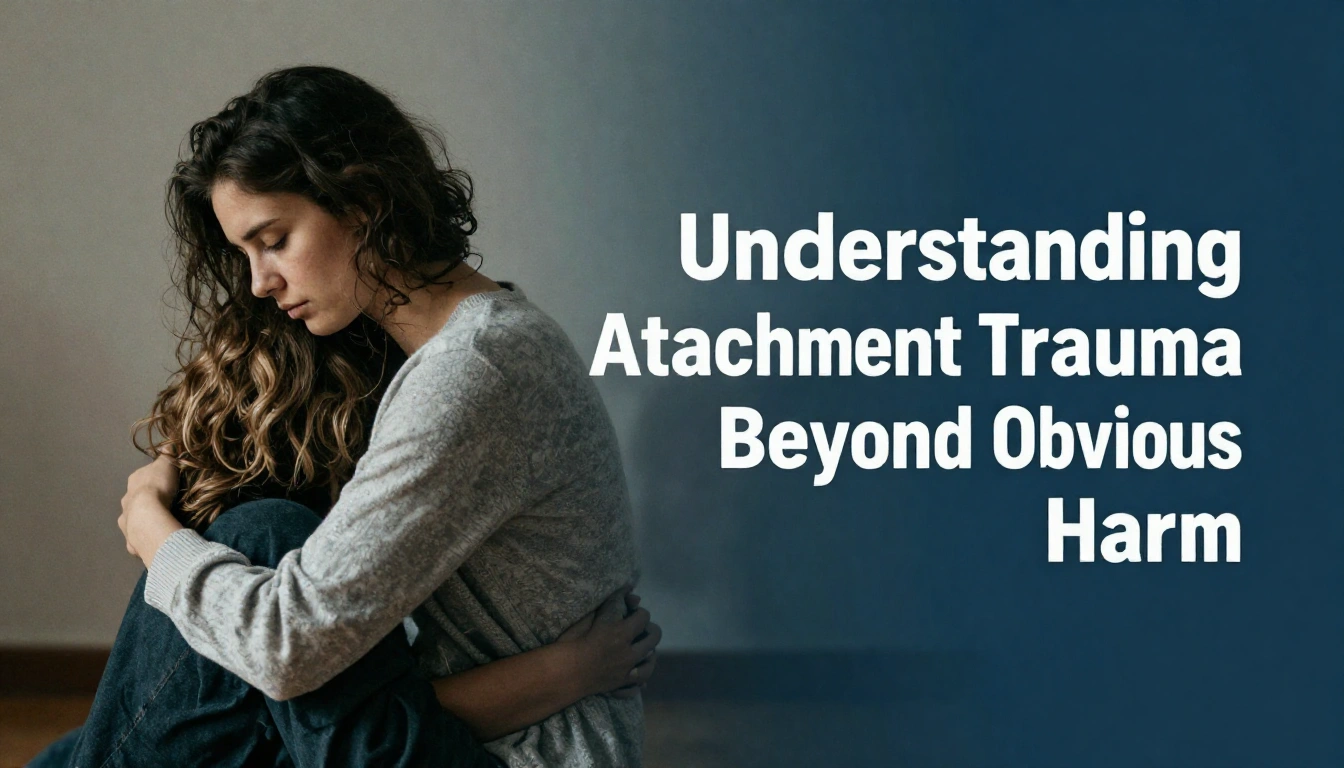
Attachment Styles and Early Conditioning Attachment theory provides profound insight into why people betray trust.Our earliest experiences with love, safety, and rejection often set the blueprint for how we handle intimacy and how we sabotage it.
Personality Traits and Impulsivity Certain personality traits like narcissism, impulsivity, or sensation-seeking can increase the likelihood of cheating. However, infidelity isn’t limited to a particular “type.” Even those deeply in love may act against their values when emotional regulation and self-awareness falter.
The Role of Relationship Dynamics
Emotional Disconnection When partners stop sharing vulnerabilities, affection, or emotional presence, the relationship can start to feel transactional. Infidelity can sometimes be a symptom not the cause of deeper emotional neglect or unspoken dissatisfaction.
Power Imbalance and Control Sometimes cheating isn’t about passion it’s about power. Infidelity may become a way to assert autonomy, reclaim control, or even unconsciously “punish” a partner for perceived wrongs.
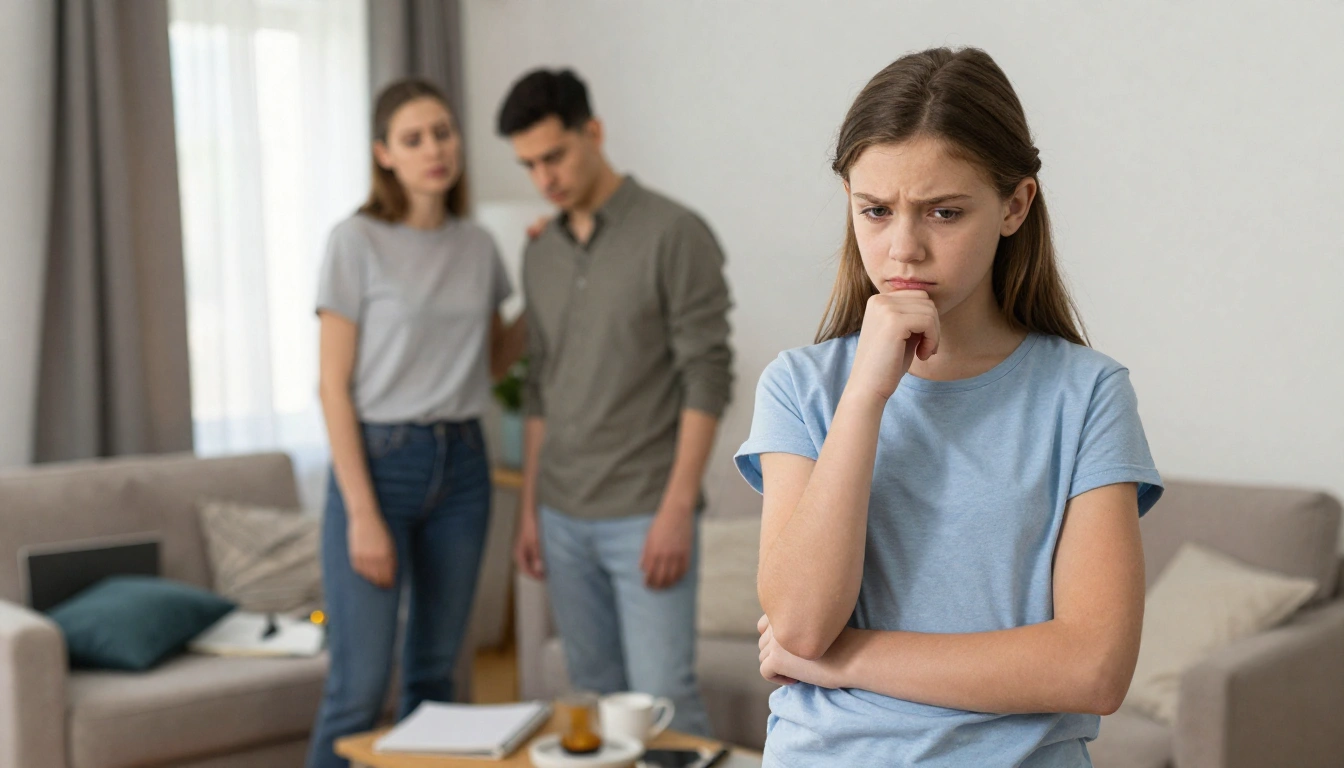
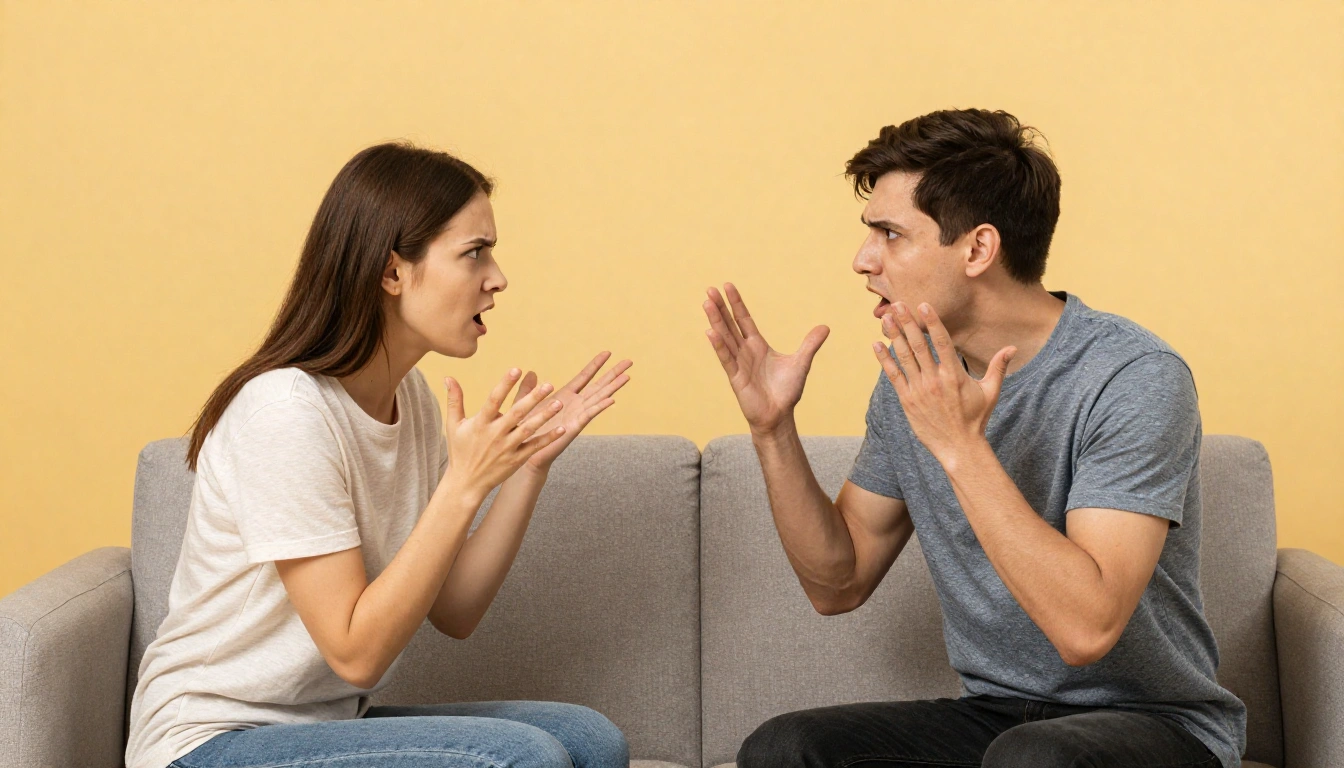
Unresolved Conflicts and Communication Breakdown Couples who avoid difficult conversations or engage in recurring conflicts without resolution often drift apart emotionally. When emotional safety diminishes, external attention can feel like relief from relational exhaustion.
Emotional Aftermath: Guilt, Shame, and Rationalization
Post-infidelity emotions are layered. While guilt centers around the act (“I did something bad”), shame targets identity (“I am a bad person”). These emotions can either push individuals toward repair and empathy or into denial and further withdrawal.
Healing and Recovery
Healing from infidelity requires both accountability and empathy.
- For the betrayer: understanding the psychological triggers and working on self-awareness.
- For the betrayed: processing grief, anger, and shattered trust in a safe therapeutic space.
Therapy, support groups, and trauma-informed approaches can help couples rebuild safety and redefine connection.
Conclusion
Infidelity isn’t a random act, it’s a psychological signal of unmet needs, internal conflicts, and relational imbalances. While betrayal cuts deep, exploring the why behind it can transform pain into insight and rupture into renewal. Because when we understand the roots of betrayal, we don’t just prevent it, we learn what it truly means to stay emotionally connected, authentic, and aware in love.