
Tradition Meets Modernity: The Evolving Nature of Arranged Marriages
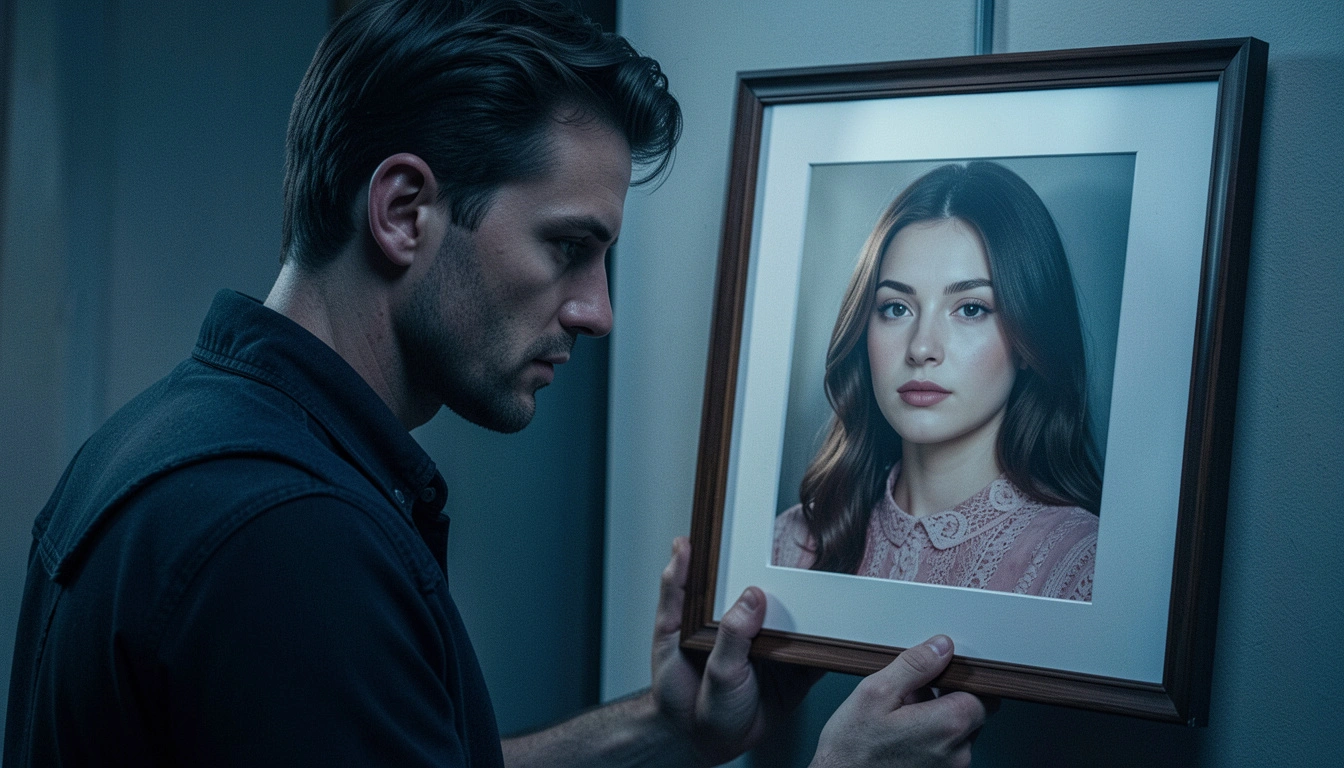
In today’s world, where dating apps coexist with family introductions, marranged marriages have taken on a new identity. They are no longer about two families making a decision on behalf of two individuals; rather, they are about guided choices where families play facilitators and individuals retain agency. The modern arranged marriage isn’t a rejection of Western ideas of romance, it’s a cultural remix. A generation that has grown up consuming global narratives of love and autonomy now negotiates them within the framework of tradition. Families have adapted too, allowing their children to meet, talk, and explore before making a decision. Yet, even as this structure evolves, an emotional gap often remains. The traditional emphasis on family reputation, stability, and background sometimes overshadows the deeper question: Do we emotionally connect? Today’s young adults seek more than security, they want understanding, communication, and a partner who feels like home. And that’s where psychology steps in.
Understanding Compatibility, Emotional Needs, and the Psychology Behind Modern Choices
From a psychological perspective, arranged marriages can offer both structure and stress. The structure lies in having families as emotional anchors and the stress arises when individual desires clash with collective expectations.
- The Psychology of Choice and Compatibility Research in decision-making shows that too many choices like those on dating apps can lead to decision fatigue and commitment anxiety. In contrast, arranged systems provide a curated framework, which can reduce overwhelm. But this doesn’t automatically ensure emotional compatibility. Compatibility today is not just about shared backgrounds; it’s about emotional attunement, values, and adaptability qualities that take time to develop but make or break long-term satisfaction.
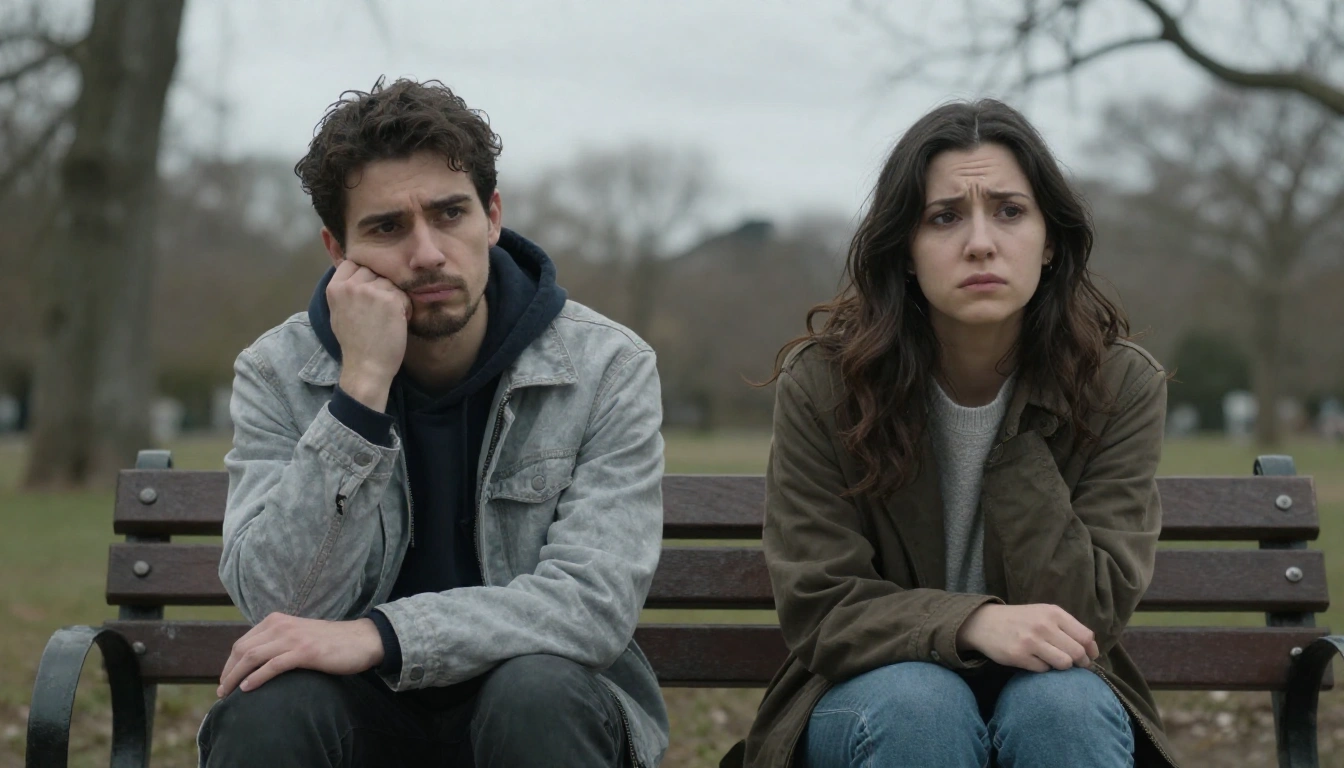
- Balancing Family Expectations and Emotional Desires Many individuals in arranged setups experience cognitive dissonance, the inner conflict between personal desires and family expectations. This can manifest as guilt, hesitation, or emotional confusion. Culturally, we are taught to prioritize harmony, but that can come at the cost of self-expression. The key psychological task here is learning to set healthy boundaries while maintaining respect a balance that requires emotional maturity and clear communication.
- Attachment Styles in Arranged Settings Attachment theory offers profound insight into how individuals navigate this process: Securely attached individuals approach marriage with openness and confidence. Anxious types often seek reassurance, worrying about being “good enough.” Avoidant types may fear losing independence or intimacy. Recognizing one’s attachment style can help individuals enter marriage consciously aware of their emotional patterns and ready to build healthy dynamics.
- Emotional Needs of the Modern Mind Unlike earlier generations who viewed marriage primarily as a social duty, modern couples yearn for emotional intimacy. They want empathy, psychological safety, and mutual respect. However, these are rarely discussed during the matchmaking process. Therapists often observe that emotional needs, if left unspoken, later emerge as sources of conflict or loneliness. The truth is marriage may be arranged, but emotional connection cannot be; it must be nurtured.
Therapeutic Lens: How Couples Can Thrive Together
Arranged marriages can thrive beautifully when emotional literacy meets cultural values. The early phase of any arranged relationship benefits immensely from open dialogue, empathy, and awareness of each partner’s psychological world. This is where counselling and guided support can make a real difference. Healo provides professional individual and couples counselling to help partners build stronger emotional foundations whether they’re newly married, preparing for marriage, or navigating complex family dynamics.
How Counselling helps?
- Premarital Counselling: Helps couples discuss expectations, boundaries, finances, and emotional goals topics often overlooked in traditional setups.
- Communication Coaching: Enables partners to express needs assertively without escalating conflict.
- Understanding Emotional Patterns: Guided therapy sessions help individuals recognize how family upbringing, past relationships, or attachment styles shape their approach to love and conflict.
- Cultural Sensitivity: Therapists trained in cross-generational and cultural contexts help couples balance tradition with individuality without guilt or rebellion.
Through counselling, arranged marriages transform from being externally “compatible” to internally connected, allowing partners to cultivate trust, respect, and a sense of emotional home within each other.
Conclusion
The concept of arranged marriage is not vanishing, it’s evolving. What once centered around social security is now expanding to include emotional fulfillment and psychological health. The modern arranged marriage is no longer about compromise; it’s about conscious choice within cultural context. When emotional awareness and therapeutic support are integrated, marriage becomes not a transaction, but a journey of growth, understanding, and shared meaning. As the new generation redefines love, perhaps “happily arranged” now means being both chosen by families and emotionally chosen by each other.