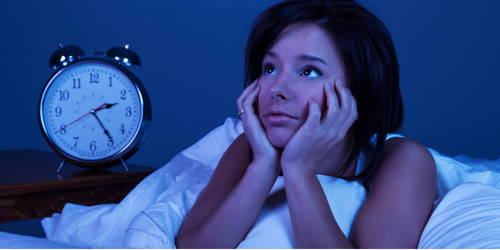
Sleep is an essential determinant of behaviour, productivity, physical and mental health and a general sense of happiness. Lack of sleep can adversely affect our cognitive functioning, vitality, ability to deal with stress, reparation of tissues, immune system, mental state, breath, posture, and self-healing capacity, often accelerating the onset of chronic diseases.
The inability to sleep well because of sleep disorders like insomnia, sleep apnea and even a disrupted sleep schedule can be your body’s way of communicating with you to heal and feel better. Research suggests a correlation between insomnia and specific changes in life, such as chronic illness, job loss, divorce or death of a loved one, leading us to come to terms with unresolved trauma and painful, emotional problems.
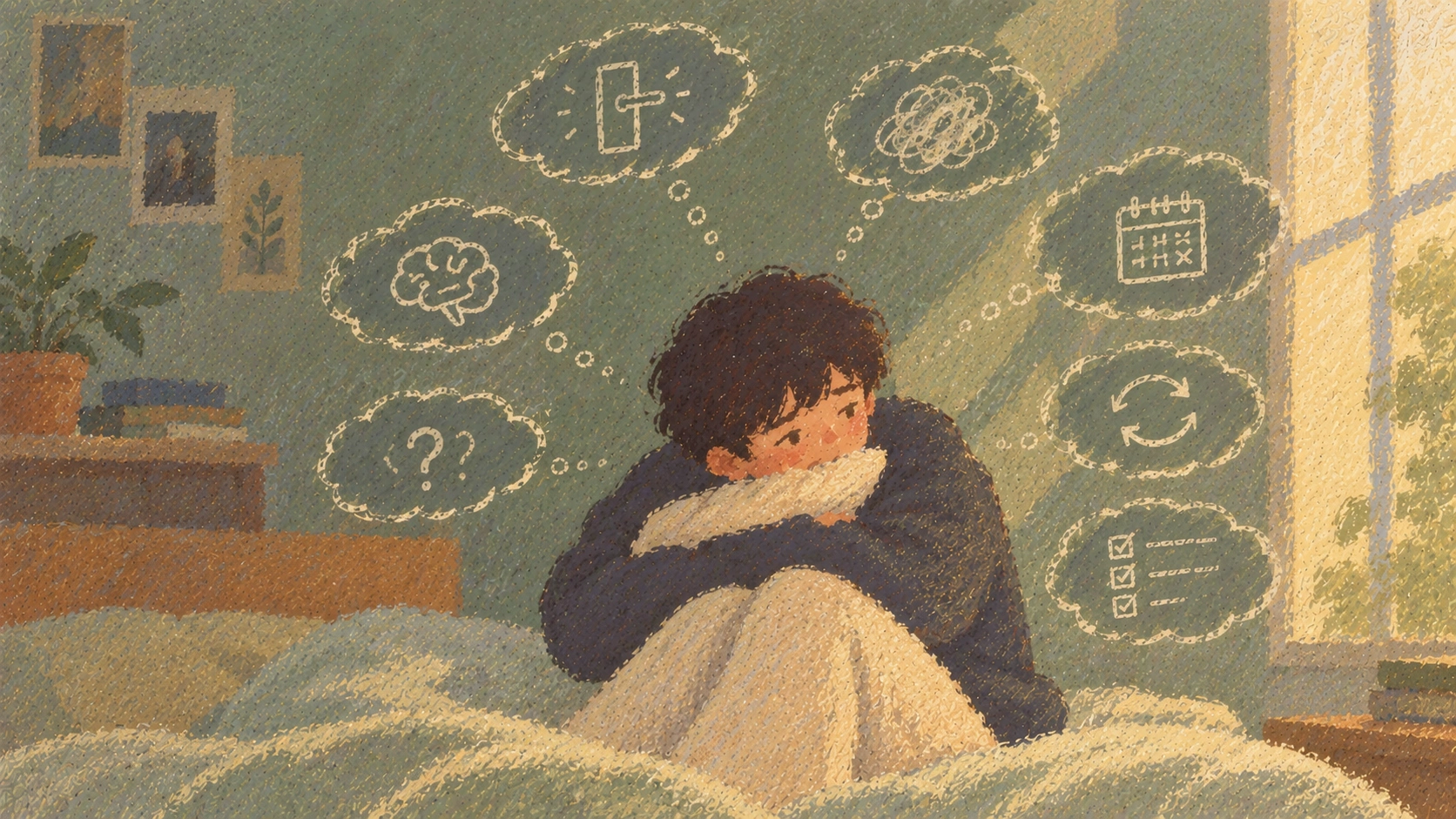
Furthermore, anxiety, stress and specific biotypes of Depression are closely associated with sleeplessness and can actively disrupt your sleep. Your precious life force or vitality could be consumed by worrying too much, restlessness, replaying scenarios in your head over and over again, being reminded of a painful memory in your past, nervousness, a sense of inadequacy, social anxiety or embarrassment, sensitivity to external noises, feeling unsafe and unloved, being unable to be present in our bodies, oscillating between the past and the future.
This forces adrenaline to start racing through our bodies, which leads us to be more anxious, and more life force is lost. Lower vitality leads to more fear, and the cycle starts again. Due to enormous stress, our bodies release higher amounts of two stress hormones, cortisol and adrenaline, that deeply affect our sleep quality. Some people tend to repress their emotional pain and anxiety by distracting themselves, by avoidance, and denying, often immersing themselves in work, playing games, watching digital content or spending time on social media. Lack of physical activity and long hours in front of a computer or a phone, with little sun exposure, can worsen their quality of sleep because of disruption in the circadian rhythm (body’s internal clock) due to imbalances in melatonin and serotonin production.
Forcing yourself to fall asleep can be counterproductive since falling asleep requires letting go of thoughts, worries and stress and, in a metaphysical and esoteric way, trusting the process of life. Instead, focusing on better sleeping habits such as understanding the sleep posture and room temperature that works for us, mindfulness, healthier breathing, a consistent nighttime routine, being more in tune with nature, getting some exposure to sunlight, a wholesome diet, staying hydrated can facilitate a better quality of sleep.
Understanding Your Mind with Self-Assessment Tests
Anxiety Test:Are you frequently caught in the web of worry, restlessness, or irrational fears? Our Anxiety Test can shed light on your anxiety levels. It's a crucial step towards a calmer, more composed you.
Depression Test:Unravel the complex layers of your emotions with our Depression Test. It offers valuable insights into your mood and thought patterns, helping you address any lingering feelings of sadness or hopelessness.
Synesthesia Test:Experience the fascinating world of sensory perception with our Synesthesia Test. Discover if your senses are intertwined in unique and extraordinary ways, opening doors to a deeper understanding of your perception.