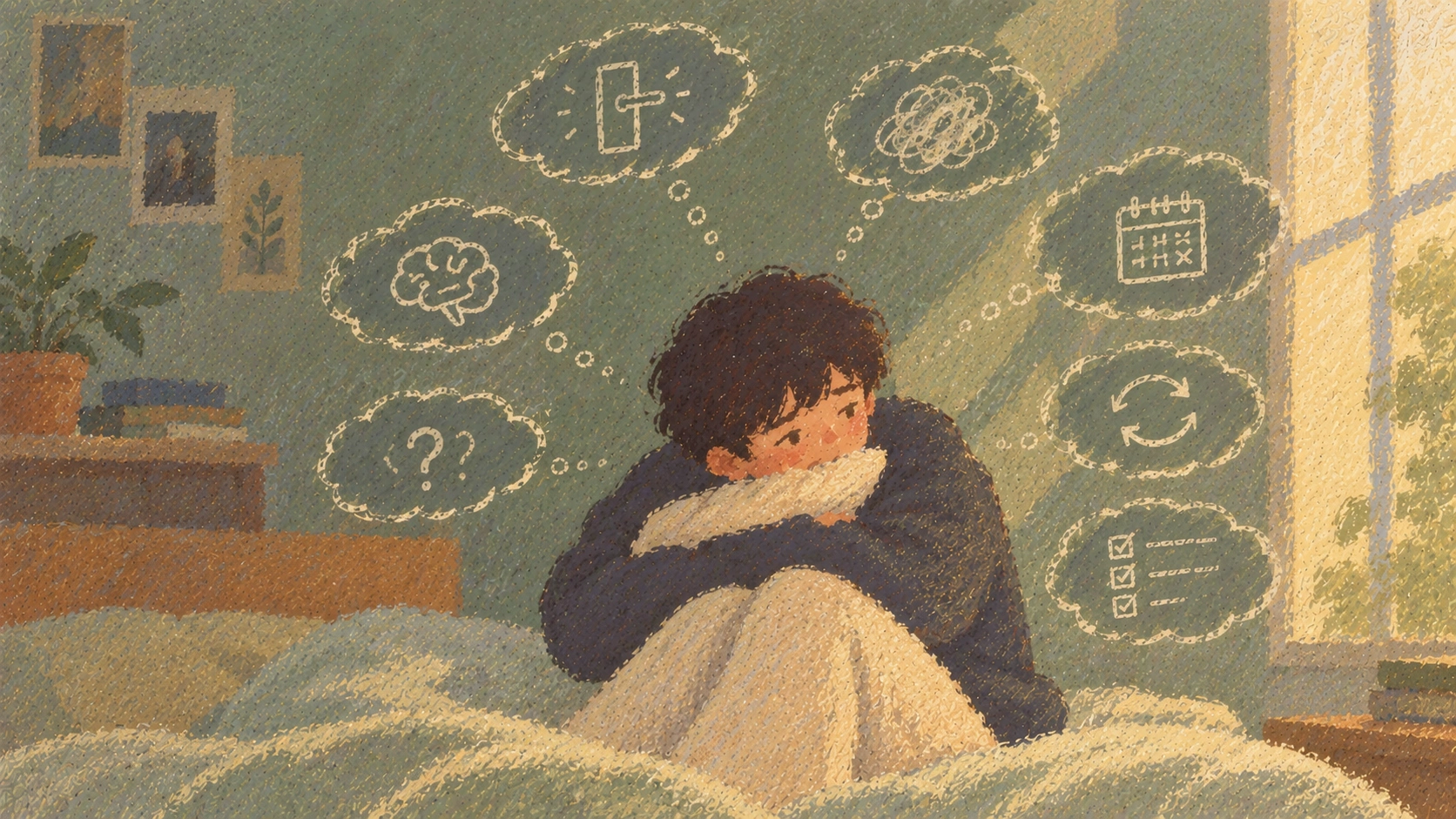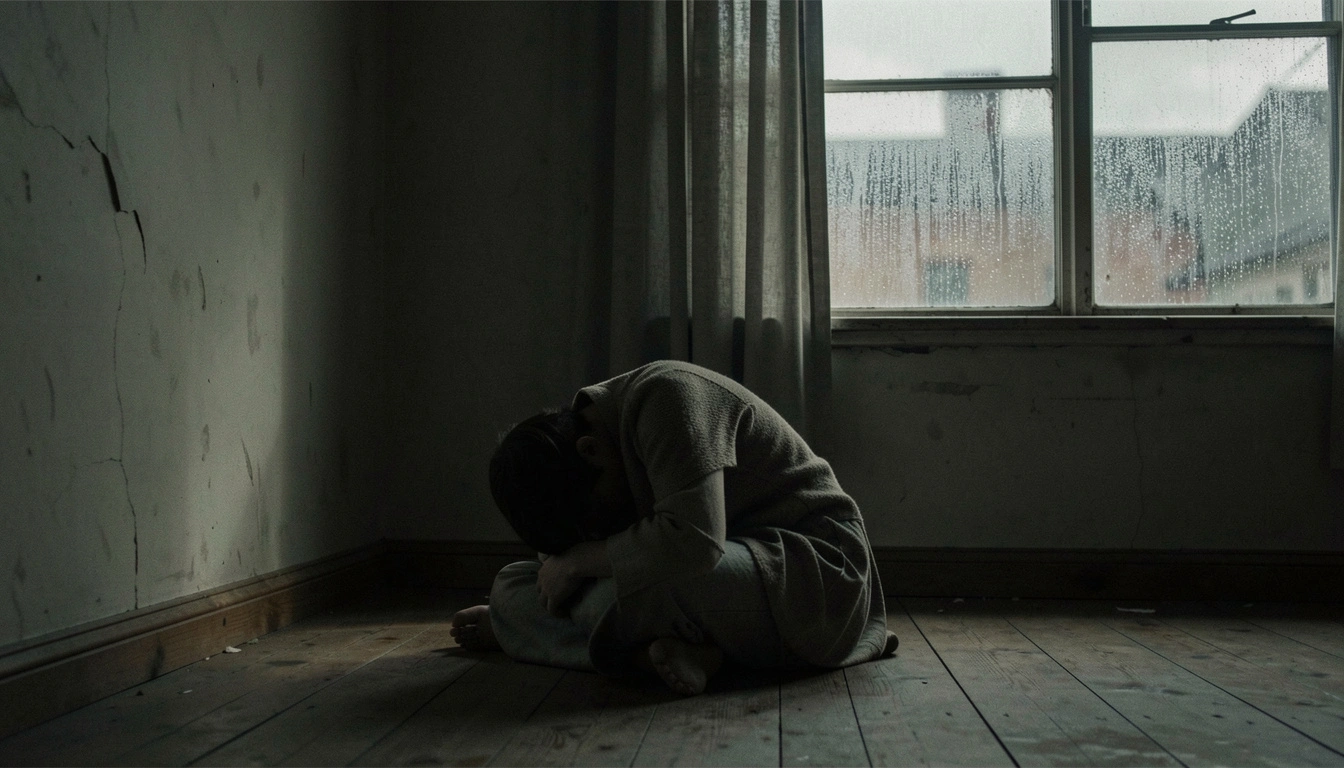
Anxiety has different ways of manifesting in our lives. We’ve all experienced fear, uncertainty, worrying and self-doubt at some point. Before the first day at a new job, there might be fleeting moments of anxiousness, a high stake presentation or proposing to a loved one. And then there might be other instances where one’s anxiety triggers a heightened fight-or-flight response – where anxiety takes on a far more intense and crippling form.
Feeling anxious to a certain extent is normal and is even known to enhance one’s performance under challenging conditions. That is because anxiety, at its core, is a future-oriented emotion.Anxiety is essentially our body’s way of setting off alarm bells to help us protect ourselves from the unknown. When this feeling becomes pervasive and takes over our lives, it becomes something that needs to be worked upon.
We start preparing for the worst, even in our best times. Negative thoughts take over, and even following the most straightforward routine instils a feeling of apprehension, and one fails to distinguish between a real threat and the one created by the mind.
The inner dialogue often becomes toxic, and we tend to become victims of our minds. We are left grappling with two choices: to submit to this inner dialogue and let it take over our lives or to work on resolving and releasing the unhealthy thought patterns that feed our inner dialogue. Often, these cognitive distortions and unhealthy thought patterns, such as anticipatory anxiety, catastrophizing, poor boundaries etc., are a symptom of an underlying issues such as repressed emotions, lack of self-esteem, running away from the self, childhood trauma etc.
Constantly overthinking and preparing for adversity can significantly reduce our capacity to enjoy and savour the good moments of our lives. Awareness about how you think and react in situations can help you address the underlying cause of your crippling anxiety and rise above it.
In addition to unhealthy thought patterns, other factors such as diet, sleep, sedentary lifestyle, addictions etc., could also play a role in worsening anxiety. Multiple studies also link anxiety to nutritional deficiencies such as Vitamin D, B3, B12, selenium, etc., and dehydration. Holistic systems prescribe various interventions for grounding and centring the body by introducing predictability and routine in our lives. Unpredictability and the fear of the unknown lie at the core of anxiety, so repetition, familiarity and predictability by way of routine can help bring some semblance of stability into one’s life.
As per Yoga, anxious people tend to have shallower breathing that uses the upper lungs and not the lower lungs, so it recommends addressing breathing and posture through exercises and breath work (pranayama) for dealing with the same. Breathing exercises are known to have an impact on vagal tone. When we have a high vagal tone, that is indicative that when you inhale, you have a slight increase in your heartbeat, and when you exhale, you have a slight decrease in your heartbeat. A high vagal tone helps a person in emotional regulation, which is a key to good mental health.
Functional medicine’s perspective on anxiety focuses on understanding and working on the gut-brain axis (gut health influencing mental health) and Hypothalamus Pituitary Axis (central stress response system) to improve the condition.
Carl Jung, the Father of Modern Analytical Psychology, regarded anxiety as a positive attempt by the psyche to self-cure because it meant that an aspect of one’s character wanted to grow and mature. Anxiety, in a way, presented a chance to move forward by learning one’s lesson and finding one’s purpose.
In origin, conventional medicine considers anxiety partly genetic and partly environmentally induced. More recently, the study of the role of epigenetics (changes in gene expression because of lifestyle, habits and environmental influences) as well as specific genes such as MTHFR in Anxiety Disorders has gained more interest.
People with anxiety are often some of the most intuitive, creative and sensitive. They have a great understanding of the human mind and human suffering. Through their example, they have understood what it is like to suffer. Often, characteristics like strength and courage are ascribed to people who have overcome external odds, but a special kind of strength is required when one’s inner voice is fighting against it. This is also why People who can overcome anxiety go on to lead very fulfilling and meaningful lives. It is important not to identify with anxiety to reduce its influence on our lives. Some of us may be inclined to rely on anxiety to control outcomes or, more surprisingly, to harness emotions such as relief.
By thinking of the worst possible outcome, we may be preparing for the worst so that we are not caught off guard when things go wrong. Also, since the worst possible outcome is a low-probability event and the chances of it manifesting are remote, thinking of the worst possible outcome can be a foolproof way of accessing some positive emotion, i.e. relief. Every time we think of the worst, and every time that does not come true, we feel a sense of relief. Sometimes when we find ourselves unable to get rid of anxiety, we may be addicted to the sense of relief we feel every time things do not go as wrong as we had expected.
The opposite of anxiety has trust. When we have trust in ourselves to deal with life’s challenges and trust in the process of life, we can successfully overcome anxiety and learn to live life more fully.
Anger Test:Is anger getting the best of you? Take our Anger Test to gauge how you manage and express this intense emotion. It's a step towards healthier, more constructive reactions.
Emotional Intelligence Test: Dive into the realm of emotions and relationships with our Emotional Intelligence Test. Discover your ability to understand, manage, and navigate the intricate world of feelings, leading to more fulfilling connections with others.