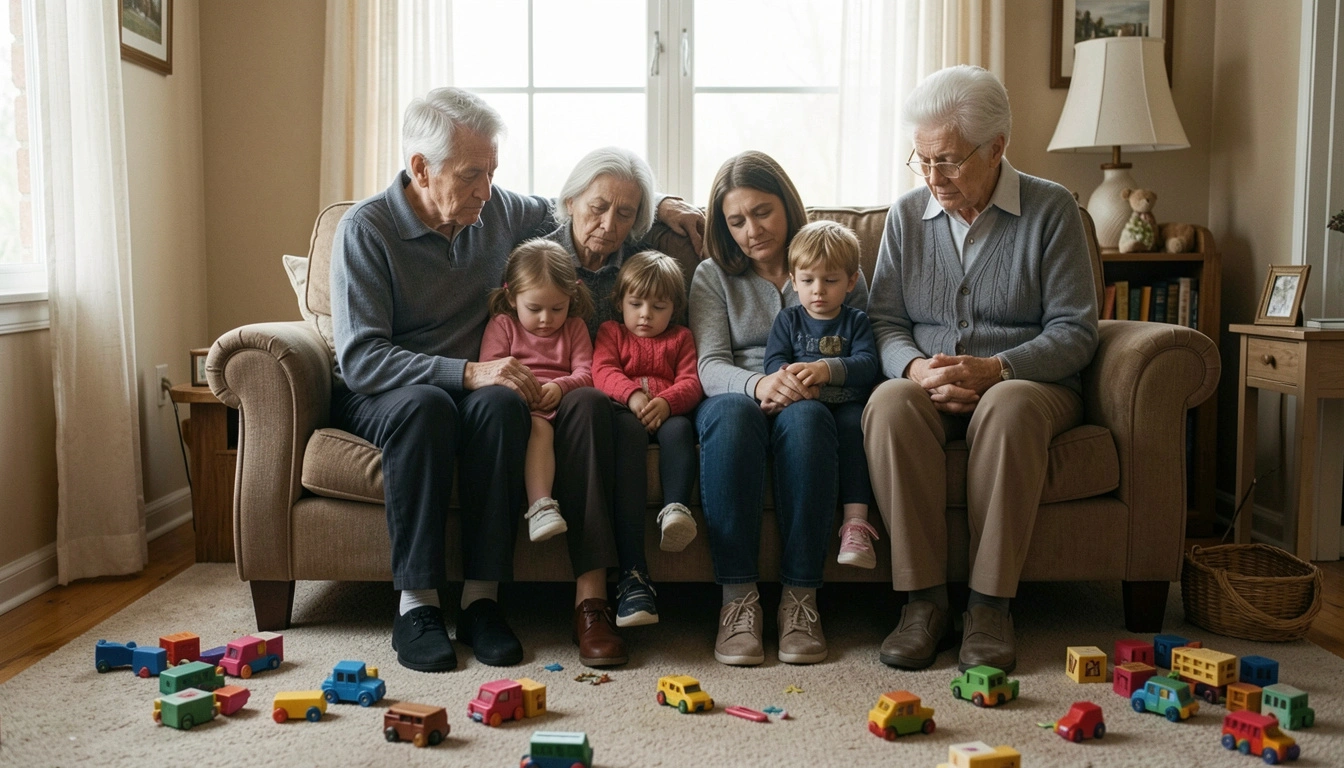
Attachment trauma is often overlooked because it does not always arise from experiences that are traditionally labelled as traumatic. Many individuals associate trauma with abuse, neglect, or overt adversity. However, attachment trauma can develop even in homes that appeared stable, loving, and functional. It emerges not from what was visibly wrong, but from what was emotionally inconsistent, unavailable, or unsafe over time.
How Attachment Trauma Develops
Attachment trauma forms when a child’s emotional needs are repeatedly unmet or unpredictably met by primary caregivers. Caregivers may have been physically present and well-intentioned, yet emotionally unavailable, overwhelmed, dismissive, or inconsistent in their responses. Over time, the child learns implicit lessons about connection when emotions are welcome, when they are inconvenient, and what is required to maintain closeness.
Because children are biologically dependent on their caregivers, they adapt rather than question these relational dynamics. These adaptations are survival-based and occur outside conscious awareness, shaping how the child learns to stay connected and emotionally safe.
Survival Strategies That Become Relational Patterns
To preserve attachment, children often develop strategies such as emotional suppression, people-pleasing, hyper-independence, or heightened sensitivity to others’ moods. These responses may help the child feel safer in the family system, but they can later solidify into enduring patterns in adult relationships.
In adulthood, these early adaptations may appear as difficulty trusting others, fear of abandonment, discomfort with emotional intimacy, chronic self-sacrifice, or emotional withdrawal. What once ensured connection can later interfere with it.
Why Attachment Trauma Is Hard to Recognise
One of the defining features of attachment trauma is its invisibility. There may be no clear memories of harm, no single event to point to, and no obvious narrative of suffering. As a result, many individuals minimize their experiences, believing they “shouldn’t” struggle because their childhood was not overtly traumatic.
However, trauma is not defined by comparison or intent. It is defined by impact by how the nervous system learns to respond to relationships, stress, and emotional closeness. Attachment trauma lives in patterns, not in isolated events.
The Impact on Adult Relationships and Self-Concept
Attachment trauma often shapes both interpersonal relationships and the relationship one has with oneself. Individuals may feel responsible for others’ emotions, struggle to express needs, or experience shame around vulnerability. Others may intellectualize emotions, avoid dependence, or feel emotionally disconnected even in secure circumstances.
Over time, these patterns can contribute to anxiety, low self-worth, burnout in relationships, and a persistent sense that emotional safety is fragile or conditional.
Healing Attachment Trauma
Healing attachment trauma does not require blaming caregivers or revisiting the past with judgment. Instead, it involves developing awareness of long-standing relational patterns and understanding them as adaptive responses rather than personal flaws. Therapy can provide a consistent, emotionally attuned environment where new relational experiences are gradually formed.
Through this process, individuals can learn that their needs are valid, that emotional expression can be safe, and that closeness does not have to involve self-abandonment. Healing occurs not through force, but through repeated experiences of safety, consistency, and connection.
When Trauma Doesn’t Look Like Trauma
Attachment trauma often looks like strength, independence, and competence. It can hide behind being “low maintenance,” highly responsible, or emotionally controlled. Recognizing it is not about diminishing resilience, but about acknowledging the cost of early adaptations.
By naming attachment trauma for what it is, individuals open the door to deeper self-understanding, healthier relationships, and a more secure sense of self.